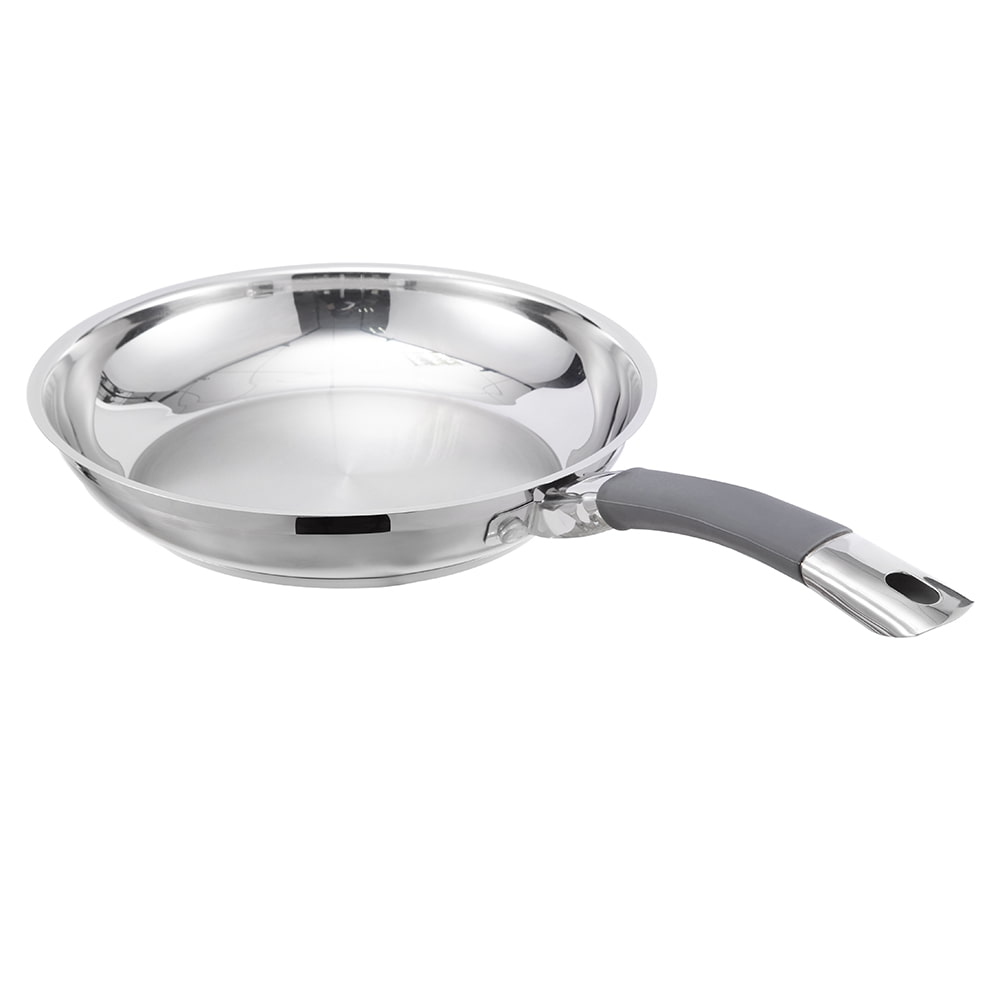
Aluminum frying pans are widely recognized for their lightweight design, rapid heat conduction, and versatility in cooking. Within the aluminum cookware segment, two main manufacturing methods dominate the market: stamped aluminum and cast aluminum. Understanding their differences is essential for selecting the right cookware based on cooking style, durability, and surface treatment. In particular, the medicinal stone coating Aluminum frying pan has gained popularity due to its non-stick properties and health-conscious design.
This article explores the distinctions between stamped and cast aluminum frying pans, examining their structural properties, heat performance, maintenance requirements, and ideal applications.
Stamped aluminum pans are produced by pressing thin aluminum sheets into shape using high-pressure machinery. This process allows for rapid production and results in lightweight pans with a relatively uniform thickness. The primary characteristics include:
Cast aluminum pans are manufactured by pouring molten aluminum into molds. This process produces thicker, denser pans that offer superior heat retention and even cooking. Key features include:
Illustration: Visual comparison of stamped vs cast aluminum pan thickness and density.
Cooking performance is one of the most critical factors when selecting a frying pan. The manufacturing method significantly affects heat distribution and retention:
| Feature | Stamped Aluminum | Cast Aluminum |
|---|---|---|
| Heat Conduction | Rapid, heats up quickly | Slower initial heating but more uniform |
| Heat Retention | Lower, may cool quickly when food is added | Higher, maintains consistent cooking temperature |
| Weight | Light, easy to handle | Heavy, provides stability |
| Warping Resistance | Prone to warping at high heat | Excellent resistance due to thickness |
In practice, stamped aluminum pans are ideal for quick frying or sautéing, whereas cast aluminum pans excel in recipes requiring steady, long-term heat such as searing meats or frying pancakes evenly.
Modern aluminum frying pans are often coated to enhance non-stick performance and cooking safety. The medicinal stone coating Aluminum frying pan integrates natural mineral particles that improve surface durability, reduce sticking, and minimize the need for cooking oil.
Overall, the integration of medicinal stone coating improves both types of pans, but cast aluminum maximizes its benefits due to the structural support for thicker coatings.
The choice of aluminum pan also impacts long-term maintenance:
For both types, avoiding metal utensils and high-temperature dry heating will prolong pan life, especially for medicinal stone coating Aluminum frying pan.
Weight plays a vital role in user experience:
The production method also impacts cost:
| Pan Type | Average Cost | Expected Lifespan | Ideal User |
|---|---|---|---|
| Stamped Aluminum | Low to Moderate | 2-5 years under regular use | Casual home cooks, quick meals |
| Cast Aluminum | Moderate to High | 5-10 years or more | Experienced cooks, frequent frying, long-term investment |
Investing in a cast aluminum pan with a medicinal stone coating may justify the higher initial cost due to durability and cooking consistency.
In summary, selecting between stamped and cast aluminum frying pans involves evaluating the balance between weight, heat performance, durability, and coating compatibility. Key considerations include:
For home chefs seeking lightweight, versatile pans for occasional cooking, stamped aluminum is suitable. For users aiming for consistent heat distribution, longevity, and heavy-duty cooking, cast aluminum with medicinal stone coating Aluminum frying pan provides superior performance.
Stamped aluminum pans are better for everyday, light cooking due to their lightweight design and rapid heat conduction.
Cast aluminum pans generally require a compatible base or induction plate since aluminum alone is not magnetic. Some cast pans are manufactured with induction-friendly layers.
Medicinal stone coatings enhance non-stick performance, reducing food residue and simplifying cleaning. Using soft sponges is recommended to maintain the coating.
Yes, due to their thin construction, stamped aluminum pans may warp under high heat, especially if preheating is uneven or the pan is empty when heated.
Cast aluminum pans are preferable for searing due to their superior heat retention and even distribution, which ensures consistent browning.
 No. 1, Jingwei Road, Yangcheng Lake Town, Xiangcheng District, Suzhou City, China
 [email protected]
  +86-13913553688
Copyright © Suzhou Jiayi Stainless Steel Products Co., Ltd.
 Privacy
Wholesale Aluminum/ Stainless Steel Pan and Pot Manufacturers
Privacy
Wholesale Aluminum/ Stainless Steel Pan and Pot Manufacturers

 search
 中文简体
中文简体 English
 русский
 Français
 Español
 日本語
日本語
-4.jpg "20X4.5CM white medicinal stone coating Aluminum frying pan DB-2045B")
-1.jpg "20X4.5CM black medicinal stone coating Aluminum frying pan DB-2045H")
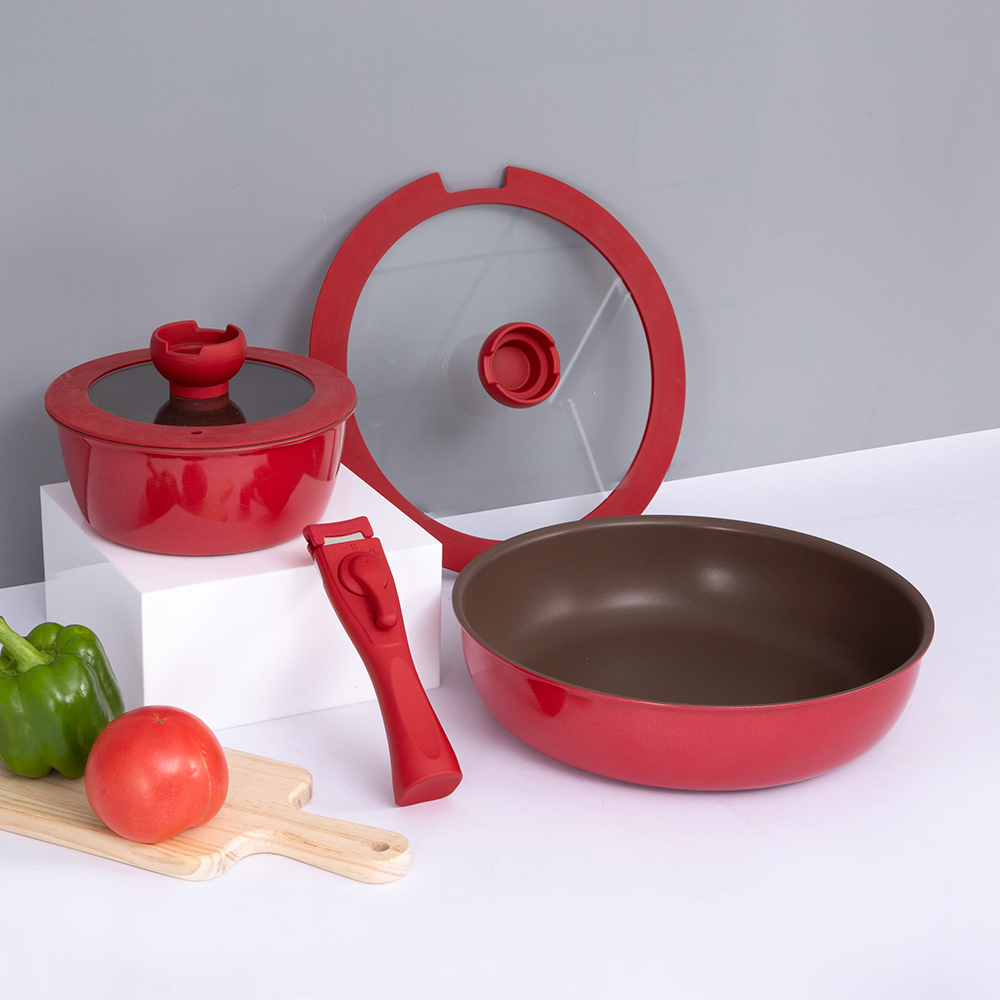
-3.jpg "24X5CM black medicinal stone coating Aluminum frying pan with glass lid DB-2405H")
-5.jpg "28X5.5CM black medicinal stone coating Aluminum frying pan with glass lid DB-2855H")
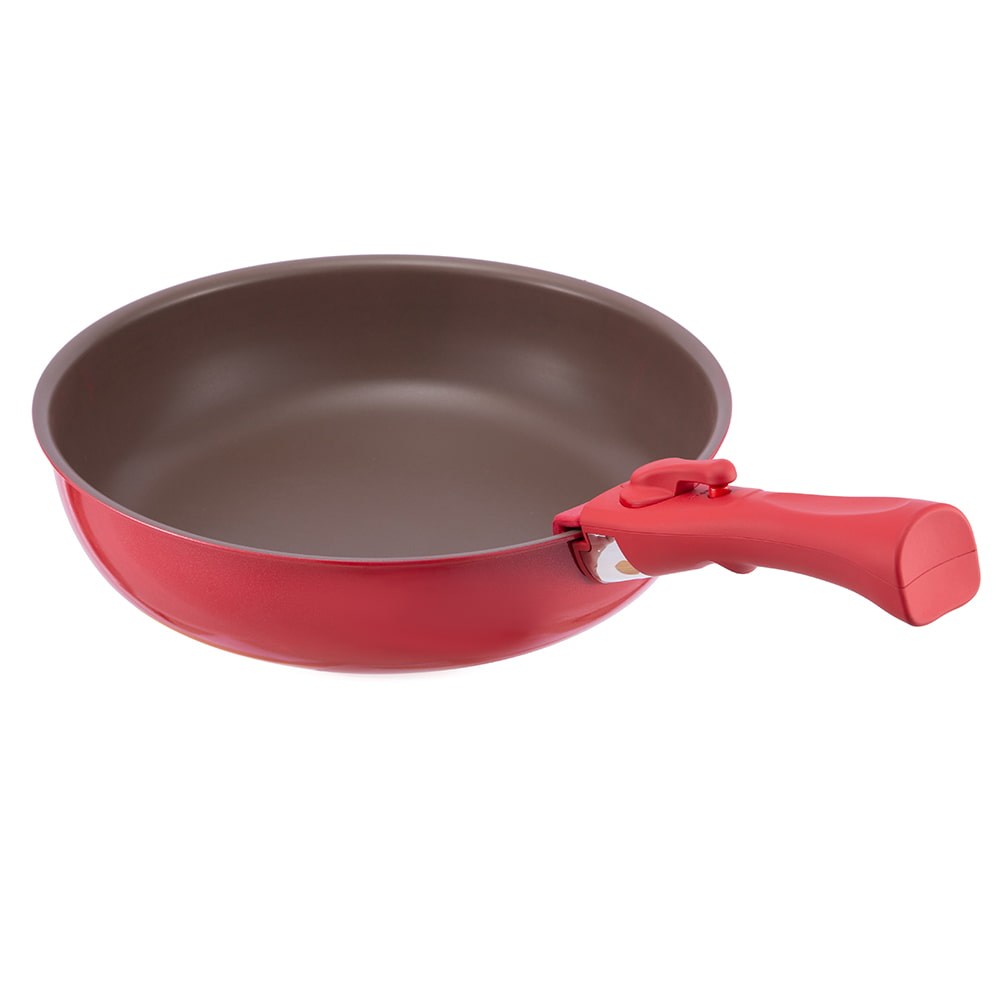
-3.jpg "24X5CM white medicinal stone coating Aluminum frying pan with glass lid DB-2405B")
-9.jpg "20X4.3cm Olive Green Food Safety Coated Stainless Steel 304 Frying Pan JY-2043L")
-3.jpg "20*4.3CM Single long handle uncovered coated frying pan JY-2043NP")
-14.jpg "24X4.5cm Olive Green Food Safety Coated Stainless Steel 304 Frying Pan JY-2445L")