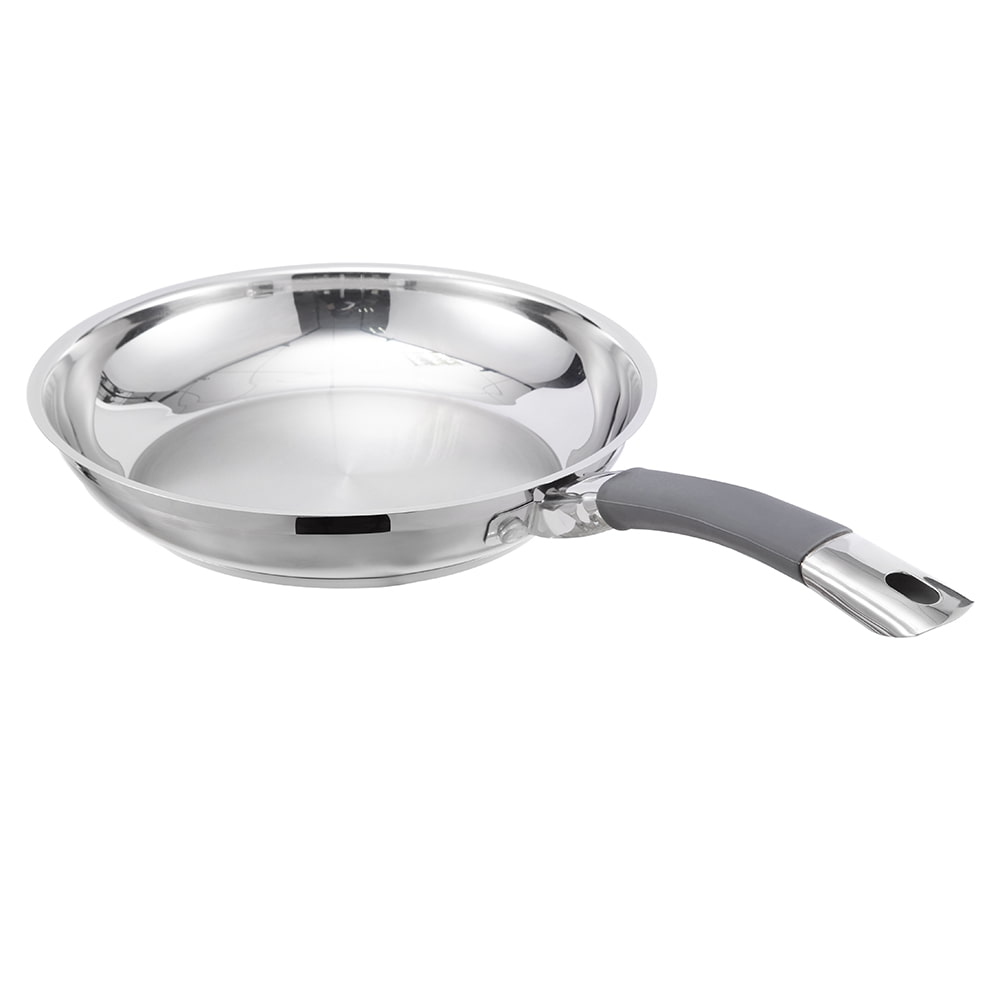
Precision is the cornerstone of professional-grade culinary results. For years, home cooks and professional chefs alike relied on manual methods to test surface heat, such as flicking water droplets or hovering a hand over the surface. However, the introduction of integrated heat indicators has revolutionized how we interact with the thermo signal aluminium nonstick frying pan. This technology removes the guesswork, ensuring that the cooking surface has reached the ideal temperature before food ever touches the metal.
For B2B buyers and kitchenware distributors, understanding the mechanics of these indicators is vital. It is not merely a visual gimmick but a functional safety and quality feature that extends the lifespan of the nonstick coating. When a pan is preheated correctly, proteins sear instantly rather than sticking, and the structural integrity of the aluminum base is preserved from thermal shock.
The heat indicator located at the center of the pan operates on the principle of thermochromism. This is a physical property where a material changes its color due to a change in temperature. In a high-quality thermo signal aluminium nonstick frying pan, the central spot contains specialized pigments embedded within the nonstick layers. As the temperature rises, the molecular structure of these pigments shifts, altering the way they reflect light.
Most thermo-signals are calibrated to change appearance at approximately 180 degrees Celsius. This specific threshold is not arbitrary; it is the "sweet spot" for several culinary reactions:
The indicator is not a separate piece glued onto the pan; it is an integral part of the multi-layer coating system. This ensures that the heat sensing is accurate to the actual cooking surface temperature rather than the air above it.
| Layer Component | Function |
| Aluminum Substrate | Provides rapid and even thermal conductivity. |
| Primer Layer | Ensures adhesion between metal and nonstick polymers. |
| Thermochromic Spot | The active sensor layer containing heat-sensitive pigments. |
| Top Finishing Coat | Protect the indicator from abrasion and provide nonstick release. |
The effectiveness of a thermo-signal is highly dependent on the material of the pan. Aluminum is preferred in B2B manufacturing for several technical reasons:
Aluminum has a high thermal conductivity coefficient. This means the heat travels from the burner to the indicator almost instantaneously. In a thermo signal aluminium nonstick frying pan, the visual signal is an accurate real-time reflection of the pan's energy state, unlike heavier metals that may have significant lag times.
Because aluminum spreads heat laterally across the bottom of the pan, the temperature at the center (where the signal is located) is generally representative of the entire cooking surface. This prevents "hot spots" where the indicator might signal readiness while the edges remain cold.
Implementing thermo-signal technology offers several tangible advantages that drive consumer demand and bulk procurement:
When sourcing these products for retail or distribution, certain technical parameters should be verified to ensure the thermo signal aluminium nonstick frying pan meets market expectations:
While the thermo-signal is durable, its performance is tied to the health of the nonstick surface. To ensure long-term accuracy, certain maintenance protocols are recommended:
Avoid abrasive scourers that can scratch the protective top coat covering the thermochromic pigments. If the coating becomes heavily scratched over the indicator, the color change may become less distinct or appear "cloudy."
If fats or oils are allowed to burn onto the center of the pan, they create a layer of carbon. This layer acts as an insulator, preventing the heat from reaching the pigments efficiently and causing a delayed or inaccurate signal.
High-quality indicators are designed to last for the entire lifespan of the nonstick coating, typically 2-5 years depending on usage frequency and care.
Yes, the pigments are encapsulated beneath a protective, food-grade nonstick layer, ensuring they never come into direct contact with food or leach chemicals.
The indicator itself is independent of the heat source; it responds to the temperature of the aluminum. As long as the pan has an induction-compatible base, the signal will work perfectly.
This is usually caused by a buildup of burnt-on grease (carbonization) or using the pan on a heat source much smaller than the pan's base, which prevents the center from reaching the required 180 degrees Celsius.
 No. 1, Jingwei Road, Yangcheng Lake Town, Xiangcheng District, Suzhou City, China
 [email protected]
  +86-13913553688
Copyright © Suzhou Jiayi Stainless Steel Products Co., Ltd.
 Privacy
Wholesale Aluminum/ Stainless Steel Pan and Pot Manufacturers
Privacy
Wholesale Aluminum/ Stainless Steel Pan and Pot Manufacturers

 search
 中文简体
中文简体 English
 русский
 Français
 Español
 日本語
日本語
-4.jpg "20X4.5CM white medicinal stone coating Aluminum frying pan DB-2045B")
-1.jpg "20X4.5CM black medicinal stone coating Aluminum frying pan DB-2045H")
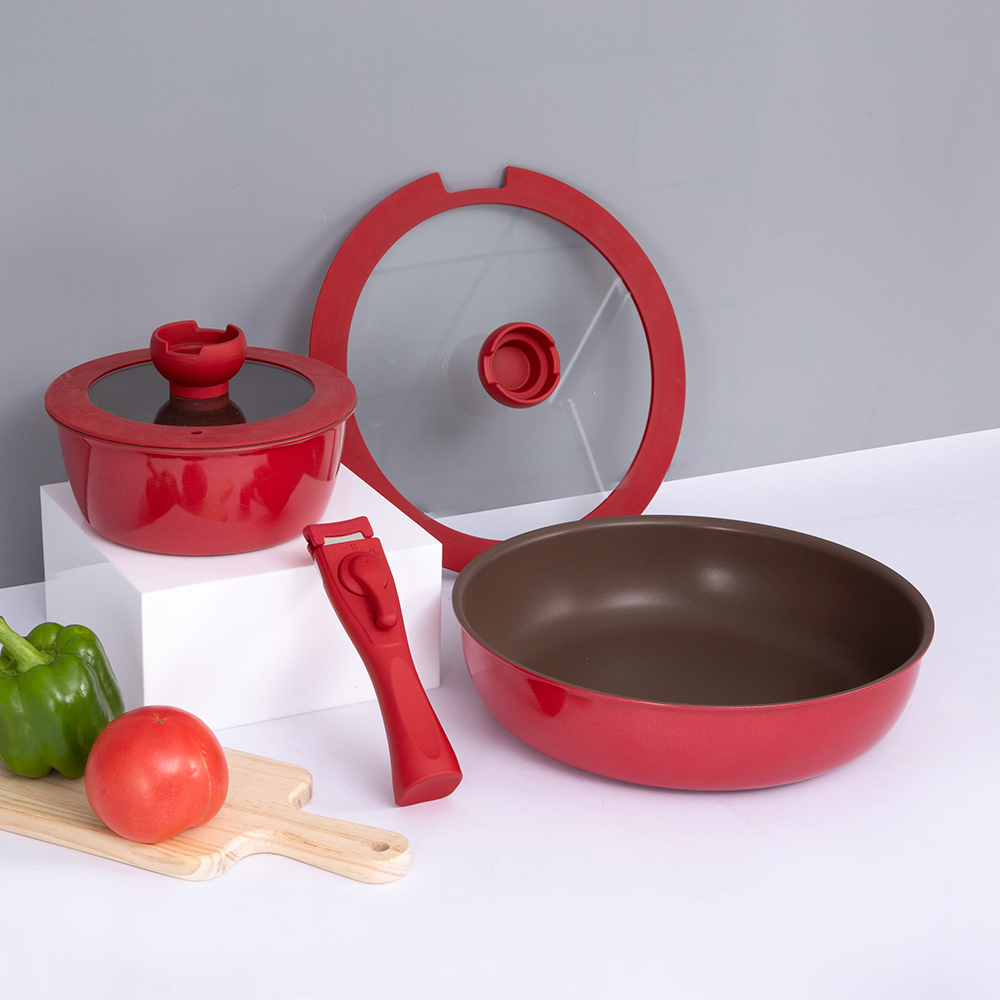
-3.jpg "24X5CM black medicinal stone coating Aluminum frying pan with glass lid DB-2405H")
-5.jpg "28X5.5CM black medicinal stone coating Aluminum frying pan with glass lid DB-2855H")
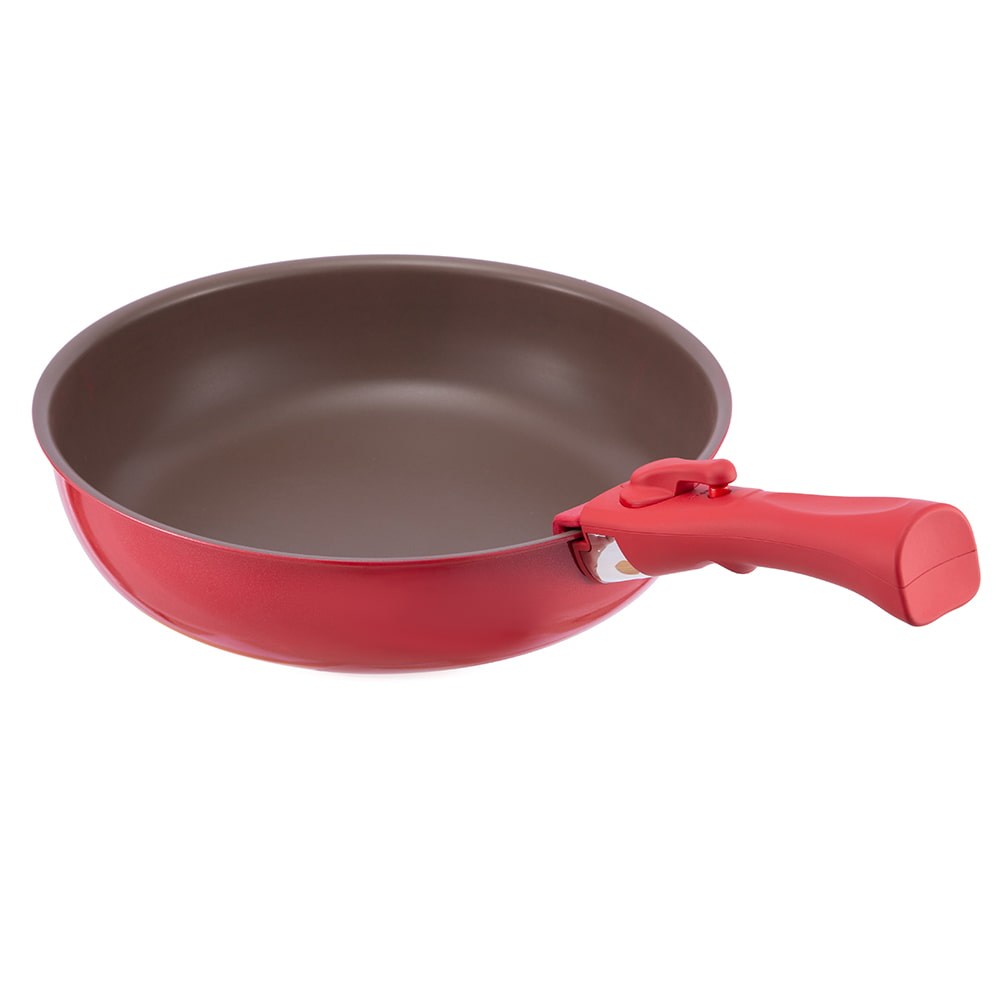
-3.jpg "24X5CM white medicinal stone coating Aluminum frying pan with glass lid DB-2405B")
-9.jpg "20X4.3cm Olive Green Food Safety Coated Stainless Steel 304 Frying Pan JY-2043L")
-3.jpg "20*4.3CM Single long handle uncovered coated frying pan JY-2043NP")
-14.jpg "24X4.5cm Olive Green Food Safety Coated Stainless Steel 304 Frying Pan JY-2445L")