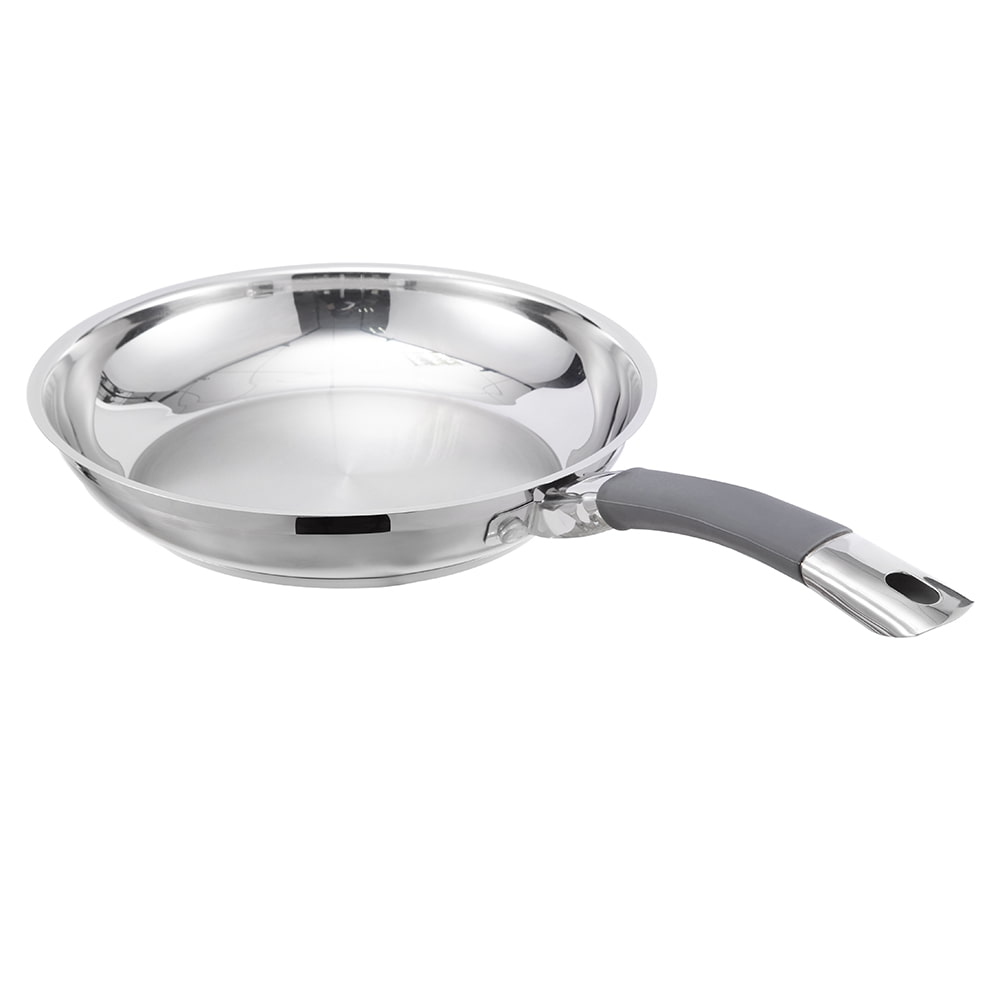
Aluminum is one of the most popular base materials for frying pans worldwide — it heats quickly, distributes heat evenly, and weighs far less than cast iron or stainless steel. But raw aluminum reacts with acidic foods, discolors over time, and offers no non-stick properties on its own. That is where the coating comes in.
The coating on a non-stick coated aluminum frying pan determines almost everything a cook cares about: food release, easy cleanup, heat resistance, chemical safety, and how long the pan will perform before it needs replacing. Choosing the wrong coating does not just affect cooking results — it can affect the health of whoever eats the food.
In 2026, the non-stick coating landscape has changed significantly. Older chemical families have been phased out under tighter global regulations, and a new generation of ceramic, hybrid, and fluoropolymer coatings has taken their place. This guide breaks down every major coating type, compares their safety profiles, and helps buyers — whether sourcing for retail or foodservice — make confident decisions.
Understanding today's coating options requires a quick look at what came before them. For decades, the dominant non-stick coating was polytetrafluoroethylene (PTFE), often used with a chemical processing aid called PFOA (perfluorooctanoic acid). PTFE itself is highly stable and considered safe at normal cooking temperatures, but PFOA used during manufacturing was flagged as a persistent environmental and health concern.
By 2013, most major manufacturers had eliminated PFOA from production processes. By 2023, the European Chemicals Agency (ECHA) and the U.S. Environmental Protection Agency (EPA) extended restrictions to an entire family of related chemicals known as PFAS (per- and polyfluoroalkyl substances). This triggered a broader reformulation wave across the cookware industry.
Today, the safest and most compliant coatings fall into three main families:
Each has distinct safety characteristics, performance profiles, and commercial considerations — all of which are covered in the sections below.
Despite its complicated history, PTFE remains the most widely used non-stick coating in 2026 — and for good reason. When formulated without PFOA and tested to meet current REACH, FDA, and California Proposition 65 standards, PTFE coatings are considered safe for everyday cooking use.
Current PTFE coatings for aluminum pans are applied in multiple layers — typically a primer coat bonded directly to the aluminum surface, one or two mid-coats for thickness and durability, and a top coat optimized for food release and scratch resistance. High-end versions incorporate reinforcing particles such as minerals or ceramic elements that extend the coating's useful life.
The key safety threshold for PTFE is temperature. At normal cooking temperatures — up to 260°C (500°F) — the coating is chemically inert and poses no known health risk. Above 350°C (662°F), PTFE begins to degrade and release fumes. This temperature is well above anything needed for standard frying, sauteing, or searing, but it is a reason to avoid leaving an empty pan on a high-heat burner.
A standard single-layer PTFE coating wears through relatively quickly under daily use. Multi-layer systems — 3-coat or 5-coat constructions — dramatically extend service life. In commercial testing environments, 5-coat systems have demonstrated durability equivalent to 3 to 5 times longer use compared to single-coat applications under identical abrasion conditions.
| Coating Layers | Typical Scratch Resistance | Estimated Service Life (Daily Use) |
| 1-coat | Low | 6 to 12 months |
| 3-coat | Medium | 1 to 2 years |
| 5-coat | High | 3 to 5 years |
For B2B buyers sourcing non-stick coated aluminum frying pans at scale, coating compliance documentation is essential. The most important certifications and standards to request from manufacturers include:
Reputable aluminum pan manufacturers can provide SGS or Intertek test reports confirming compliance with these standards. Buyers should treat this documentation as non-negotiable when placing large orders.
Ceramic non-stick coatings gained significant market share over the past decade, largely driven by consumer demand for coatings that contain no fluoropolymers at all. In 2026, ceramic-coated aluminum pans occupy a major segment of the retail and foodservice cookware market.
Despite the name, ceramic coatings are not fired clay. They are sol-gel coatings — a liquid silica-based compound applied to the pan surface and then cured at high temperature. The resulting surface is hard, smooth, and chemically inert. It contains no PTFE, no PFOA, and no PFAS compounds of any kind.
The primary appeal is straightforward: ceramic coatings are among the most chemically clean non-stick options available. They are also naturally free from heavy metals when properly formulated, making them compliant with the most restrictive food safety regulations in Europe, North America, and East Asia.
Ceramic coatings perform well under high heat — many are rated to 450°C (842°F) or above, well beyond any domestic or commercial cooking requirement. They also resist staining and discoloration better than PTFE under high-heat dry cooking.
However, ceramic coatings have a notable limitation: their non-stick performance degrades faster than PTFE under mechanical stress. Repeated use of metal utensils, abrasive cleaning, or high-alkaline dishwasher detergents accelerates micro-scratching of the ceramic surface, which reduces food release over time. Most ceramic-coated aluminum pans exhibit noticeable performance decline within 12 to 18 months of daily use, compared to 24 to 36 months for quality multi-layer PTFE systems.
Hard anodizing is not a coating in the traditional sense — it is an electrochemical process that converts the surface of the aluminum itself into a thick, extremely hard oxide layer. This anodized surface is denser than stainless steel, non-reactive with food, and serves as an exceptional base for applying additional non-stick coatings.
Raw aluminum leaches small amounts of aluminum ions into food, particularly when cooking acidic ingredients like tomatoes, citrus, or vinegar. Hard anodizing eliminates this risk entirely — the anodized surface is chemically sealed and does not react with food. This makes hard-anodized aluminum pans safer than standard aluminum pans even before any non-stick coating is applied.
When a PTFE or ceramic non-stick coating is applied over a hard-anodized base, the result is a pan that combines exceptional base durability with optimized food release. The anodized layer also improves coating adhesion, which is why hard-anodized pans tend to retain their non-stick properties longer than pans with the same coating applied to untreated aluminum.
| Material | Vickers Hardness (HV) | Notes |
| Standard Aluminum | 30 to 80 HV | Soft, scratches easily |
| Stainless Steel (304) | 200 HV | Standard reference point |
| Hard-Anodized Aluminum | 400 to 600 HV | Harder than stainless steel |
For B2B buyers specifying premium cookware lines, hard-anodized aluminum with a multi-layer PTFE or advanced ceramic coating represents the highest-performance and longest-lasting product category available in the non-stick aluminum pan segment.
In recent years, colored exterior coatings have become a significant product category in the non-stick coated aluminum frying pan market. These high-temperature lacquer or powder coatings are applied to the outside of the pan — the side that contacts the heat source — and serve both functional and commercial purposes.
Exterior coatings do not come into direct food contact, but they must still meet safety standards because they are exposed to cooking heat. The main safety checkpoints for exterior lacquers include:
Reputable manufacturers subject their exterior coatings to the same third-party laboratory testing as interior coatings, and test reports should be available upon request for any large-volume purchase.
For procurement teams, importers, and brand owners sourcing non-stick coated aluminum frying pans, coating safety evaluation should be a systematic process — not just a label check. The following framework covers the key evaluation steps.
Different markets have different standards. A pan compliant for sale in the U.S. may require additional documentation for the EU or certain Asian markets. Map your destination markets first, then confirm which standards apply.
Ask manufacturers for third-party test reports covering:
Request a technical specification sheet that details the number of coating layers, the application method (spray, roller, or electrostatic), and the curing temperature used. Higher curing temperatures generally produce better adhesion and longer-lasting coatings.
For large orders, it is worth requesting accelerated wear testing data. Standard industry tests include:
A compliant coating applied in a poorly controlled manufacturing environment can still fail. Ask about quality management certifications (such as ISO 9001), factory inspection protocols, and batch testing frequency. A factory that tests every production batch against coating thickness and adhesion standards will deliver more consistent quality than one relying on periodic audits alone.
The table below summarizes the most important characteristics of the three main non-stick coating families used on aluminum pans in 2026. This comparison is designed to support procurement decisions and product positioning discussions.
| Attribute | Modern PTFE (PFOA-Free) | Ceramic Sol-Gel | Hard-Anodized + Coating |
| PFAS Content | Trace (compliant levels) | None | Varies by top coat |
| Max Safe Temperature | 260 degrees C (500 degrees F) | 450 degrees C (842 degrees F) | 260 to 450 degrees C |
| Non-Stick Performance | Excellent | Good (degrades over time) | Excellent |
| Durability (Daily Use) | 1 to 5 years (by layer count) | 1 to 2 years | 3 to 7 years |
| Regulatory Compliance | FDA, EU, LFGB, REACH | FDA, EU, LFGB, REACH | FDA, EU, LFGB, REACH |
| Price Point | Low to Mid | Mid | Mid to High |
| Metal Utensil Tolerance | Low to Medium | Low | Medium to High |
| Dishwasher Safe | Usually not recommended | Sometimes | Varies by top coat |
No matter which coating type is selected, proper use and maintenance practices significantly extend functional life. This is especially important for foodservice buyers whose pans are subjected to intensive daily use.
Avoid preheating an empty non-stick pan on high heat. Medium heat is sufficient for most non-stick cooking tasks and is the single most effective way to preserve coating integrity over time. Even heat-resistant ceramic coatings degrade faster when subjected to rapid, extreme temperature changes.
Silicone, wood, and nylon utensils are the most coating-friendly choices. Metal spatulas and tongs, even on reinforced coatings, create micro-abrasions that accumulate over time and accelerate surface degradation.
Do not stack non-stick pans directly on each other without pan protectors or cloth separators. Surface contact during storage causes scratching that accelerates coating failure.
The regulatory landscape surrounding cookware coatings continues to tighten in 2026. For importers and distributors, staying ahead of compliance requirements is increasingly important — both to avoid market access issues and to protect brand reputation.
EU PFAS Restriction (2023 to 2026 phased implementation): The European Chemicals Agency's universal PFAS restriction, proposed in 2023 and entering enforcement phases through 2026, places new limits on fluoropolymers in consumer products — including cookware. While PTFE coatings that meet food safety migration standards remain permissible, the documentation burden on importers has increased substantially.
U.S. State-Level Restrictions: Several U.S. states — led by California — have enacted or are implementing cookware-specific PFAS restrictions that go beyond existing federal standards. Products sold in these markets require state-specific compliance verification in addition to federal FDA compliance.
China GB Standards: For manufacturers exporting into or from China, the GB 4806 series of food contact material standards continues to govern acceptable coating formulations and migration limits. These standards were updated in recent years and require fresh compliance documentation from manufacturers who have not recently tested against the revised versions.
Not every non-stick coating is the right choice for every application. The following guidance helps buyers align coating selection with their specific product requirements and end-user context.
For mass retail or e-commerce channels, a 3-coat PTFE system on a standard aluminum body offers the best balance of performance, compliance, and cost at mid-range price points. For premium retail lines, hard-anodized aluminum with a 5-coat PTFE or advanced ceramic coating provides a strong value proposition and extended product life messaging.
Ceramic coatings appeal strongly in health-focused and specialty retail contexts, where PTFE-free labeling drives purchase decisions. Position ceramic-coated SKUs with care guidelines to manage the shorter performance lifespan expectation.
In commercial kitchens, durability and heat resistance take priority over marketing messaging. Hard-anodized aluminum with a multi-layer PTFE system is the standard choice for most foodservice applications. Pans in this category should be rated for at least 200,000 use cycles in supplier testing documentation before being specified for high-volume operations.
Brand owners and private label buyers have the most flexibility, since they can work directly with manufacturers to specify coating systems matched to their price point, performance target, and compliance requirements. Minimum order quantities for custom coating specifications typically start at 500 to 1,000 units per SKU with most specialized aluminum pan manufacturers.
Yes. Modern PTFE coatings are formulated without PFOA and comply with current FDA, EU, and REACH standards. The coating is chemically inert at normal cooking temperatures. The key is to avoid overheating an empty pan above 260°C, which is well above any practical cooking temperature.
PFAS-free indicates the coating contains no per- and polyfluoroalkyl substances, including fluoropolymers used in traditional PTFE coatings. Ceramic sol-gel coatings are genuinely PFAS-free. Some products labeled PFAS-free use alternative fluoropolymers not yet classified under current PFAS definitions, so reviewing third-party test reports is advisable.
With proper care, a 3-coat PTFE pan typically lasts 1 to 3 years with daily domestic use. A 5-coat system on a hard-anodized base can last 4 to 7 years. Ceramic-coated pans generally show noticeable performance decline after 12 to 18 months of daily use regardless of care level.
Standard aluminum is not induction-compatible because it is not magnetic. However, many non-stick coated aluminum frying pans are manufactured with a stainless steel induction disc bonded to the base, making them compatible with induction cooktops. Buyers should confirm induction compatibility with the manufacturer for specific SKUs.
For European market entry, prioritize LFGB (Germany) and EU Regulation (EC) No 1935/2004 compliance documentation. REACH compliance for PFAS-related substances is increasingly required. Third-party test reports from accredited laboratories such as SGS, TUV, or Intertek carry the most weight with EU customs and retail buyers.
Yes, provided the exterior lacquer is formulated without heavy metal pigments and has been tested for VOC emission at cooking temperatures. Reputable manufacturers supply test documentation for exterior coatings alongside interior coating compliance reports. Exterior coatings do not contact food directly, but they must remain stable under sustained heat exposure.
This varies by manufacturer and coating specification complexity. For standard coating systems, MOQs are often 300 to 500 units per size and color combination. Custom coating colors, special multi-layer systems, or unique exterior finishes typically require MOQs of 1,000 units or more per SKU.
 No. 1, Jingwei Road, Yangcheng Lake Town, Xiangcheng District, Suzhou City, China
 [email protected]
  +86-13913553688
Copyright © Suzhou Jiayi Stainless Steel Products Co., Ltd.
 Privacy
Wholesale Aluminum/ Stainless Steel Pan and Pot Manufacturers
Privacy
Wholesale Aluminum/ Stainless Steel Pan and Pot Manufacturers

 search
 中文简体
中文简体 English
 русский
 Français
 Español
 日本語
日本語
-4.jpg "20X4.5CM white medicinal stone coating Aluminum frying pan DB-2045B")
-1.jpg "20X4.5CM black medicinal stone coating Aluminum frying pan DB-2045H")
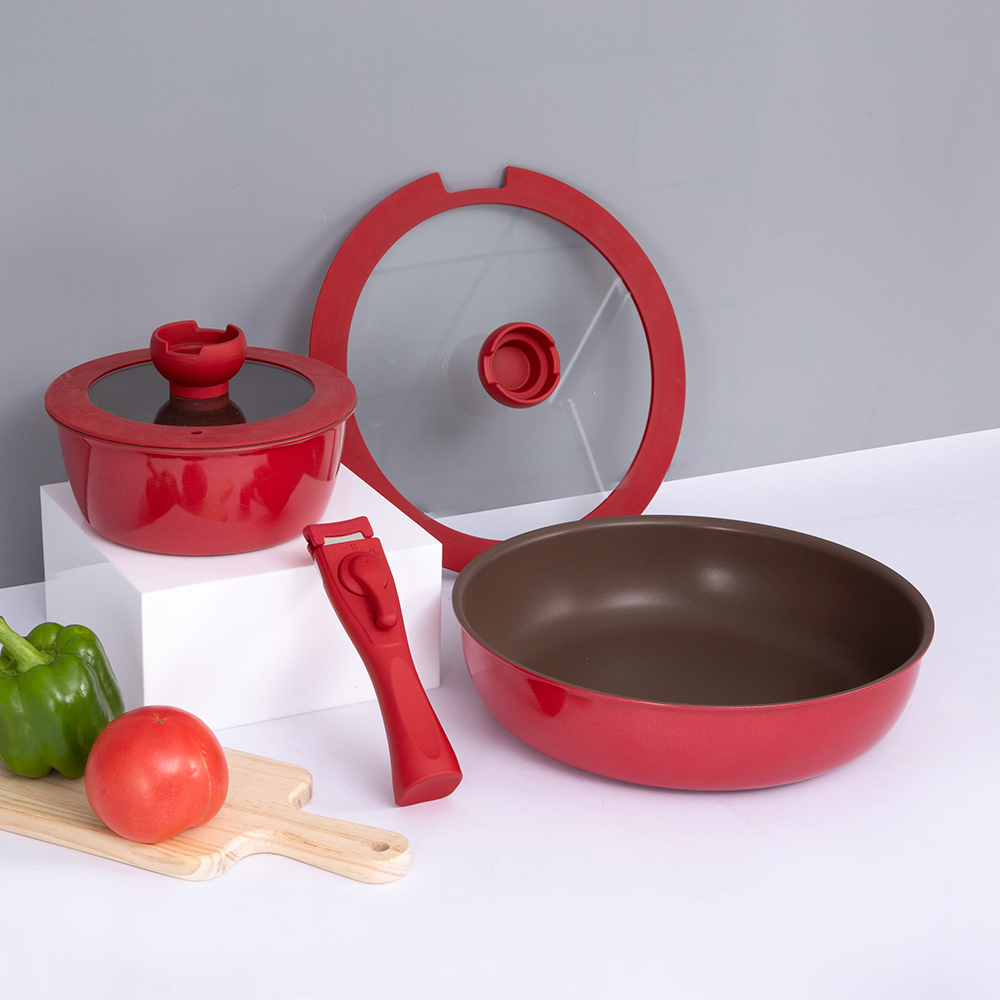
-3.jpg "24X5CM black medicinal stone coating Aluminum frying pan with glass lid DB-2405H")
-5.jpg "28X5.5CM black medicinal stone coating Aluminum frying pan with glass lid DB-2855H")
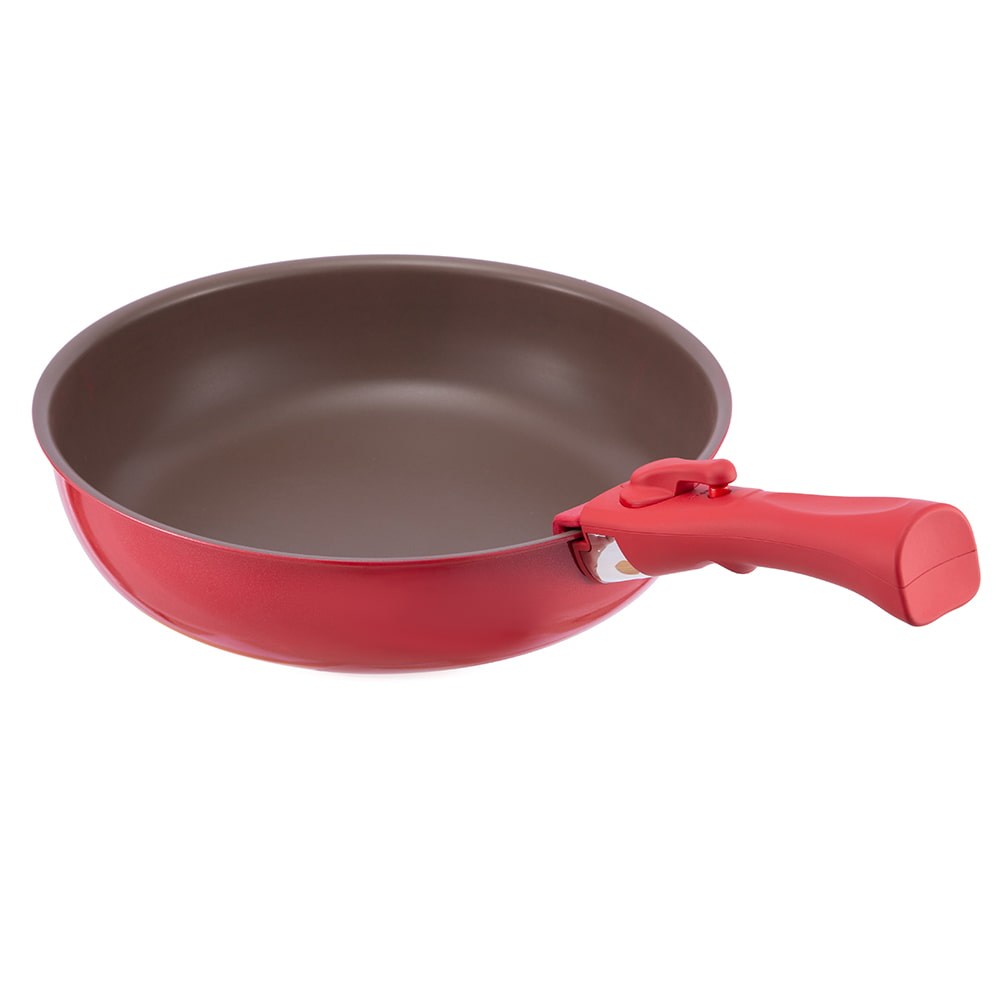
-3.jpg "24X5CM white medicinal stone coating Aluminum frying pan with glass lid DB-2405B")
-9.jpg "20X4.3cm Olive Green Food Safety Coated Stainless Steel 304 Frying Pan JY-2043L")
-3.jpg "20*4.3CM Single long handle uncovered coated frying pan JY-2043NP")
-14.jpg "24X4.5cm Olive Green Food Safety Coated Stainless Steel 304 Frying Pan JY-2445L")