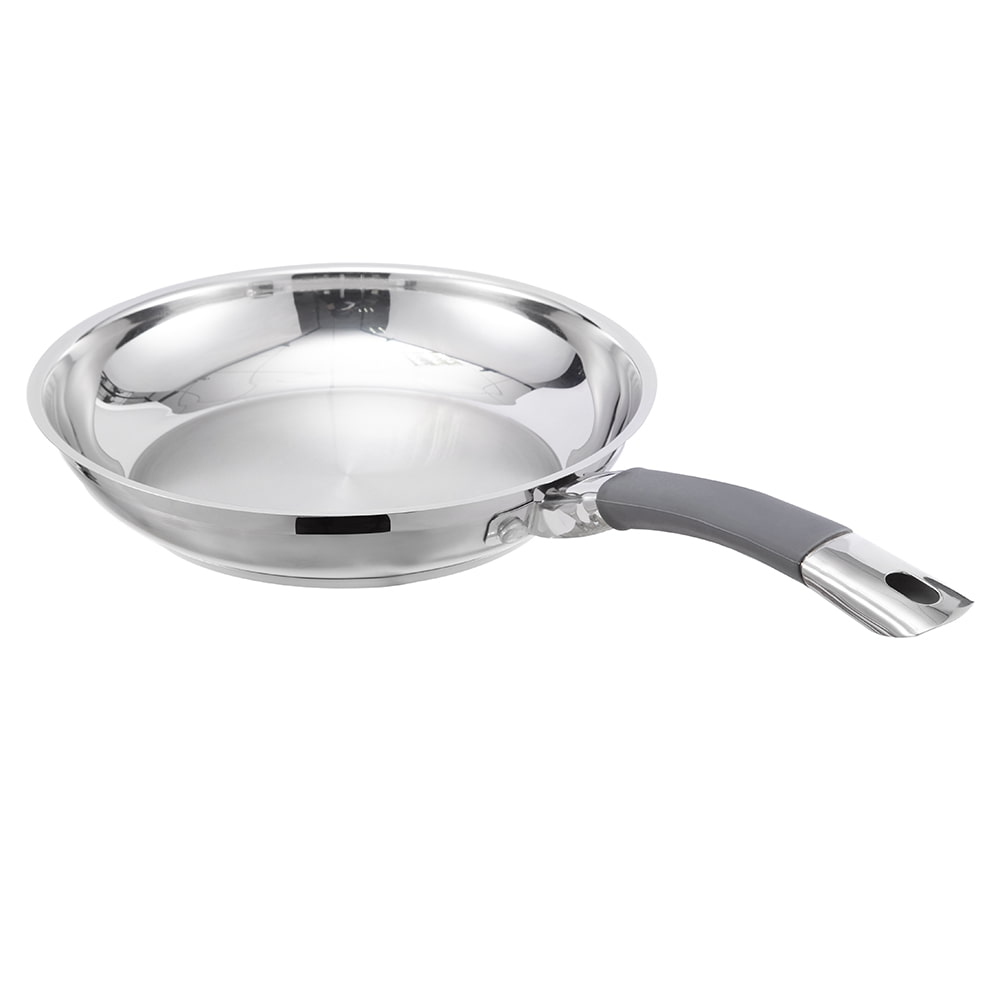
The growing interest in modern cookware technologies has led to the increasing popularity of the thermochromic aluminum skillet, a type of pan designed with heat-responsive color-change indicators that help users identify preheating conditions. As more households adopt cookware with visual temperature cues, questions naturally arise about these products’ long-term durability, care requirements, and maintenance methods. One of the most common concerns among buyers and users is whether a thermochromic aluminum skillet can be safely placed in a dishwasher without compromising the integrity of the temperature-sensitive color indicator.
A thermochromic aluminum skillet typically consists of three primary layers: the aluminum substrate, the non-stick coating, and the thermochromic indicator layer. Each contributes to the skillet’s overall performance, and each layer responds differently to mechanical abrasion, alkaline detergents, heat, and moisture exposure within a dishwasher environment. Understanding these components provides a foundation for evaluating dishwasher safety.
The skillet’s base is made from lightweight, thermally conductive aluminum. Its primary function is rapid and even heat distribution. Because aluminum is naturally reactive, the substrate is generally treated or coated to prevent oxidation and discoloration. In cookware manufacturing, aluminum components may undergo processes such as anodizing or protective layering. The substrate alone is durable enough to withstand moisture and elevated temperatures; however, dishwasher exposure may gradually wear down protective finishes if they are not sufficiently robust.
Most thermochromic aluminum skillets incorporate non-stick surfaces designed to reduce food adhesion and simplify cleaning. Non-stick surfaces are sensitive to abrasive conditions, including strong detergents, high-pressure water spraying, and continuous thermal cycling. Unlike handwashing, dishwashers repeatedly expose cookware to elevated detergent concentrations, which can affect surface smoothness over time. Although technological advancements have improved coating hardness and scratch resistance, non-stick layers remain the most vulnerable components during dishwasher cleaning.
This layer contains pigments or materials capable of changing color at specific temperatures, providing a visual cue that the skillet is adequately preheated. Thermochromic materials can be designed with different temperature thresholds and reaction speeds. While they are engineered for thermal responsiveness, they may be more sensitive to prolonged alkalinity, harsh cleaning agents, and abrasive washing cycles. Protecting this layer is essential, as its functionality directly determines whether the skillet can reliably perform its intended role.
Dishwashers introduce a combination of factors that impact cookware materials. Analyzing these elements individually helps clarify which components of the thermochromic aluminum skillet are most at risk.
Although thermochromic indicators are designed to withstand typical stovetop temperatures, dishwasher drying cycles can involve sustained heat exposure rather than brief, controlled temperature increases. Such prolonged heating may accelerate pigment aging or reduce color-change sensitivity. Over time, extended thermal exposure may diminish the clarity or responsiveness of the thermochromic layer.
Dishwasher detergents often include strong alkaline compounds—effective for removing food residues but potentially damaging to non-stick coatings and specialty surface layers. For color-change indicators, high alkalinity may degrade the molecular structure of the pigments, causing fading or altering the temperature threshold at which color changes occur.
During wash cycles, high-pressure water jets and movement of utensils or other cookware may lead to surface friction. Even minor abrasion can gradually wear down protective layers, especially if the skillet is in direct contact with other metal items. Mechanical abrasion is one of the primary threats to the longevity of the color indicator and the skillet’s non-stick performance.
Hard-water deposits and residual detergent particles can accumulate on cookware surfaces over time. Although they may not directly damage thermochromic pigments, they can obscure visibility and create a cloudy appearance, making the temperature indicator less effective.
Some cookware products may be labeled “dishwasher-safe,” but such labeling does not guarantee complete protection for all specialized layers. For thermochromic aluminum skillet products, it is useful to examine what the label typically means in practice.
In most cases, “dishwasher-safe” refers to a product’s ability to withstand occasional dishwasher exposure without immediate structural damage. It does not always mean that:
Therefore, even when a thermochromic aluminum skillet is labeled dishwasher-safe, manufacturers often recommend handwashing to maximize the longevity of specialized coatings.
Heat-reactive surfaces are inherently more sensitive than basic metal substrates. Since the functionality relies on precise pigment behavior and calibrated temperature thresholds, small alterations in the surface composition can compromise performance. For this reason, cookware intended for professional or long-term use generally benefits from gentler washing methods.
To determine dishwasher safety, several important considerations must be evaluated:
A thicker and harder non-stick layer usually offers better resistance to detergent exposure. However, even with enhanced coatings, the thermochromic indicator remains the more sensitive component. Non-stick degradation typically occurs gradually, and users may not notice performance changes until the coating has significantly thinned.
Different pigments exhibit varying degrees of chemical resistance. Some formulations are stable when exposed to alkaline environments, while others degrade more quickly. Without access to proprietary manufacturing details, consumers cannot easily identify pigment resistance levels through visual inspection.
Occasional dishwasher cycles may have minimal effect, but frequent exposure accelerates long-term wear. Users searching for “how often to wash color-changing pans in dishwasher” or “dishwasher impact on non-stick cookware” often seek guidelines about acceptable frequency. Most experts suggest limiting dishwasher use to minimize cumulative degradation.
Improper placement in the dishwasher can increase exposure to spray arms and abrasive contact with other items. High-temperature modes and heavy-duty cleaning cycles also intensify wear on surface treatments.
Although handwashing is often recommended, it is useful to evaluate both sides to give consumers a clearer understanding.
| Dishwasher Factor | Potential Impact on thermochromic aluminum skillet |
|---|---|
| High-heat drying | Accelerated pigment aging; reduced color clarity |
| Alkaline detergents | Fading of indicator; weakening of non-stick layer |
| Water pressure | Abrasion of coatings; increased surface wear |
| Dishware contact | Scratches; reduced indicator visibility |
| Hard-water residue | Clouding of surface; obstructed color signal |
Given the structural characteristics and sensitivity of thermochromic materials, the answer often depends on the user’s expectations regarding longevity and performance. While some thermochromic aluminum skillet products may tolerate occasional dishwasher cycles without immediate failure, prolonged and frequent dishwasher usage may accelerate wear.
Therefore, although a thermochromic aluminum skillet may technically be dishwasher-safe in certain cases, handwashing is generally the preferred method for preserving long-term performance and maintaining the accuracy of the color indicator.
Users who prioritize lifespan, indicator clarity, and non-stick functionality should avoid routine machine washing.
Proper maintenance helps extend the product’s useful life and maintain coating integrity.
If dishwasher cleaning is unavoidable, users should follow these guidelines:
User experiences with thermochromic aluminum skillet performance vary depending on cooking style, cleaning frequency, and environment. Buyers searching for “why is my color-changing skillet fading” or “how to protect non-stick cookware coatings” often encounter issues related to dishwasher cleaning and overheating. Practical expectations play a key role in overall satisfaction.
Many users value the visual temperature cue because it helps prevent overheating and improves cooking results. However, preserving this function requires extra care. Even if dishwasher exposure does not immediately damage the color indicator, cumulative effects may reduce its accuracy. Maintaining the indicator’s reliability is one of the most compelling reasons to avoid regular dishwasher use.
While aluminum substrates remain structurally sound even after prolonged dishwasher use, the non-stick layer’s performance may decline more quickly. Reduced non-stick quality can affect cooking efficiency, cleaning convenience, and overall product lifespan.
Some users are concerned about maintaining a clean, uniform appearance. Dishwasher exposure may cause discoloration or clouding, which does not necessarily affect structural function but impacts visual appeal.
Industry professionals design cookware with multiple performance considerations, including heat distribution, coating integrity, and user safety. The thermochromic aluminum skillet adds an additional layer of complexity due to the integrated temperature indicator. Factors influencing dishwasher safety from a manufacturing standpoint include:
Manufacturers typically evaluate non-stick coatings using controlled abrasion tests, chemical-resistance assessments, and thermal cycling. However, not all tests replicate harsh dishwasher conditions at full intensity over long durations.
Heat-indicator calibration must remain consistent across the skillet’s lifespan. Dishwashers introduce environmental stressors that may shift temperature thresholds, reducing indicator accuracy.
Thermochromic materials used in cookware must meet established safety and stability standards. These requirements often focus on heat exposure and chemical safety rather than dishwasher tolerance.
After analyzing the structural components, dishwasher environment, potential degradation mechanisms, and user expectations, the conclusion is clear:
A thermochromic aluminum skillet should not be routinely washed in a dishwasher if the user intends to preserve the functionality of the color indicator, maintain non-stick performance, and extend product lifespan.
While occasional dishwasher use may be acceptable under certain circumstances, handwashing remains the recommended approach for ensuring long-term durability.
1. Does dishwasher cleaning always damage the thermochromic indicator?
Not necessarily, but repeated exposure increases the likelihood of fading, reduced clarity, and compromised temperature responsiveness.
2. Will the aluminum substrate be affected by dishwasher use?
Aluminum is generally durable, but protective coatings may wear down faster in a dishwasher environment.
3. How long does the color-change function typically last?
Lifespan varies based on usage frequency, cleaning habits, and exposure to harsh agents. Proper maintenance significantly extends performance.
4. Can I wash my thermochromic aluminum skillet in the dishwasher if the non-stick coating is high quality?
Even with a durable non-stick surface, the thermochromic layer remains sensitive. Handwashing is still advised.
5. What is the safest way to clean a thermochromic aluminum skillet?
Using warm water, mild detergent, and a soft sponge is the most effective and protective method.
6. Does dishwasher use void product warranties?
Some manufacturers may specify washing guidelines. Deviating from recommended care methods can affect warranty claims.
7. Can a faded indicator still be used safely?
Yes, the skillet remains usable for cooking, but the temperature-indicator functionality may be reduced or lost.
 No. 1, Jingwei Road, Yangcheng Lake Town, Xiangcheng District, Suzhou City, China
 [email protected]
  +86-13913553688
Copyright © Suzhou Jiayi Stainless Steel Products Co., Ltd.
 Privacy
Wholesale Aluminum/ Stainless Steel Pan and Pot Manufacturers
Privacy
Wholesale Aluminum/ Stainless Steel Pan and Pot Manufacturers

 search
 中文简体
中文简体 English
 русский
 Français
 Español
 日本語
日本語
-4.jpg "20X4.5CM white medicinal stone coating Aluminum frying pan DB-2045B")
-1.jpg "20X4.5CM black medicinal stone coating Aluminum frying pan DB-2045H")
-3.jpg "24X5CM black medicinal stone coating Aluminum frying pan with glass lid DB-2405H")
-5.jpg "28X5.5CM black medicinal stone coating Aluminum frying pan with glass lid DB-2855H")
-3.jpg "24X5CM white medicinal stone coating Aluminum frying pan with glass lid DB-2405B")
-9.jpg "20X4.3cm Olive Green Food Safety Coated Stainless Steel 304 Frying Pan JY-2043L")
-3.jpg "20*4.3CM Single long handle uncovered coated frying pan JY-2043NP")
-14.jpg "24X4.5cm Olive Green Food Safety Coated Stainless Steel 304 Frying Pan JY-2445L")