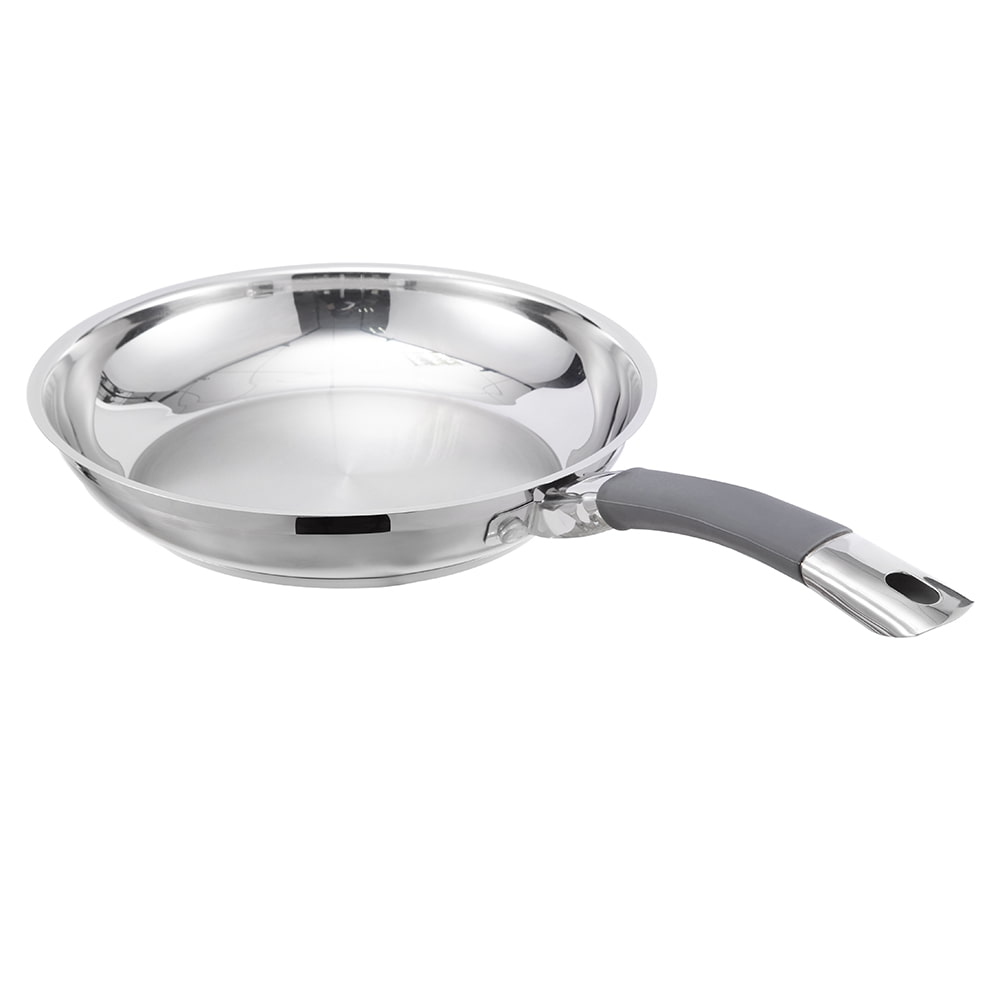
A scratch resistant granite pan is valued for its durability, user-friendly cooking surface, and compatibility with daily household cooking needs. Proper cleaning practices are central to preserving the performance, safety, and longevity of the coating. Although the surface is designed to be more resilient than traditional non-stick coatings, it still requires careful attention to maintain its structural integrity.
Cleaning methods affect more than just appearance. They influence heat efficiency, oil-release behavior, surface smoothness, and overall lifespan. Buyers who invest in a scratch resistant granite pan typically expect steady cooking performance over many years, and that result depends on consistent, proper care.
A scratch resistant granite pan typically consists of a reinforced non-stick coating applied over a metal substrate—commonly aluminum because of its heat-conduction properties. While the coating is not made of literal stone, it is engineered with a speckled or layered structure designed to simulate a textured granite-like surface. This structure often enhances durability, reduces sticking, and allows the user to cook with lower amounts of oil compared to traditional cookware.
The performance of the coating in a scratch resistant granite pan relies on a multi-layered system that includes:
Because these layers are engineered to work together, improper cleaning—such as using sharp metal tools or industrial-grade abrasives—can gradually remove the uppermost non-stick layer, exposing rougher internal layers not intended for direct food contact. This process alters the pan’s cooking characteristics and can significantly shorten its useful life.
Understanding this structure highlights why correct cleaning techniques are essential. Even though the pan is described as scratch resistant, the term does not imply immunity to damage from all types of tools or chemicals. Proper maintenance ensures that the layered system remains intact and functional.
Improper cleaning introduces friction, chemical exposure, or heat stress that may cause micro-abrasions, surface dulling, or coating thinning. While these effects may not appear immediately, they accumulate over time and alter the cooking surface in ways the user can feel: food begins to cling to certain areas, oil distribution becomes uneven, and cleaning becomes increasingly difficult.
A clean surface allows oil to spread evenly, prevents carbonized residue from adhering to the coating, and minimizes hotspots. When oils or burnt particles remain on the pan, they gradually form a hard deposit that changes how the surface reacts to heat and ingredients. Regular, gentle cleaning prevents this buildup and maintains optimal performance.
Proper cleaning also extends the life of the coating. Many users look for “long-term non-stick performance,” “durable non-stick pan maintenance,” or “how to protect a granite pan coating.” These concerns reflect a common understanding: maintenance practices directly influence lifespan. A scratch resistant granite pan performs best when cleaning methods support its design rather than undermine it.
Cleaning practices must balance effectiveness with coating safety. The goal is to remove food residue completely without introducing excess abrasion, heat shock, or chemical stress. Below are key principles that guide the cleaning process for this type of cookware.
Rapid temperature changes can stress the layered structure of a scratch resistant granite pan. Cooling the pan naturally before it enters contact with water is essential to protect the coating and metal substrate. Sudden cooling may cause warping or internal separation between coating layers and the metal body.
Mild dish soap dissolves fats and food residue without degrading the coating. Strong industrial detergents or high-alkaline cleaners may weaken the outer layer over time. Using standard household dish soap is sufficient and maintains chemical stability on the surface of the pan.
Non-abrasive cleaning tools such as soft sponges, microfiber cloths, and silicone scrubbers maintain the smoothness of the coating. Abrasive pads, metal brushes, or coarse scouring tools can scratch or thin the protective layer. Even if the pan is marketed as scratch resistant, controlled cleaning pressure ensures long-term protection.
Soap residue can affect the surface texture and may cause discoloration when repeatedly heated. Thorough rinsing and complete drying prevent water spots, maintain hygiene, and avoid mineral deposits in areas where water hardness is high.
Routine cleaning is the most common and the most important cleaning procedure. It should be performed after each cooking session.
Cooling prevents thermal shock. Most coatings maintain durability under normal temperature changes, but rapid transitions should still be avoided.
Warm water helps remove surface oils and softens remaining residue without exposing the pan to harsh temperature shifts.
A soft sponge cleans effectively while protecting the non-stick layer. Using circular motions ensures even coverage across the surface without concentrated pressure.
Lingering soap films may gradually affect coating smoothness during heating. Proper rinsing preserves surface clarity.
Drying prevents calcium or magnesium deposits from forming, which are often found in tap water. These deposits can slightly roughen the surface and make the pan appear dull.
Even with proper routine cleaning, occasional deep cleaning becomes necessary—especially when oil residues carbonize or when food adheres more firmly.
Deep cleaning is appropriate when:
Below is a widely recommended approach that respects coating integrity.
Warm water softens hardened oils and particles, preparing them for removal.
Mild detergent breaks down oily residue safely. Avoid highly concentrated or industrial cleaning agents.
Soaking allows residue to loosen naturally, reducing the need for forceful scrubbing.
This step removes softened residue without compromising the non-stick layer.
As with routine cleaning, final drying maintains coating clarity and prevents water spots.
Many cleaning mistakes occur when users apply the same techniques they use on stainless steel or cast iron cookware. A scratch resistant granite pan requires different handling due to its non-stick layer.
Metal utensils are not appropriate for scraping off food residue. Even if the surface appears durable, repeated contact can create micro-level scratches.
Overly hot water is unnecessary and may cause discomfort during handling. Warm water is sufficient to dissolve oils and protect the structural integrity of the coating.
Stacking pans can expose coating surfaces to pressure or friction from other cookware. Using soft cloths or protective layers prevents accidental scratches.
Prolonged soaking is not recommended because it may weaken bonding areas near the rim or handle base. Controlled soaking is sufficient.
It is important to select tools that complement the pan’s design. The table below summarizes suitable and unsuitable tools for maintaining the coating:
| Tool Type | Suitable for Cleaning | Notes |
|---|---|---|
| Soft sponge | Yes | Best for daily use |
| Microfiber cloth | Yes | Gentle on coating and effective for drying |
| Silicone scrubber | Yes | Good for stuck-on residue |
| Nylon brush | Conditional | Must be soft-bristled |
| Steel wool | No | Causes abrasion |
| Wire brush | No | Damages coating quickly |
| Abrasive pads | No | Scratches upper non-stick layer |
| Harsh chemicals | No | May deteriorate coating |
Certain food types, such as sugary sauces, proteins, and high-starch ingredients, tend to create stronger adhesion on cooking surfaces. Residue from such ingredients is easier to manage on a scratch resistant granite pan compared to traditional pans, but proper cleaning is still required.
Caramelized sugar can form a hardened layer that is difficult to remove without soaking. Applying force directly may harm the coating. A soak-and-clean method preserves the surface.
Eggs and meat proteins sometimes leave thin films when cooked without enough fat. Proper cleaning prevents these films from forming persistent layers.
Starch-based foods like potatoes or thickened sauces may leave a cloudy surface film. Mild detergent removes these films effectively.
Heat control plays a significant role in how easy the pan is to clean. Excessively high heat may cause oils to burn and bind to the coating. Moderate heat keeps the surface smooth and reduces cleaning effort.
Preheating the pan at medium heat ensures oils spread evenly and prevents hotspots. Hotspots often result in burnt residue that requires deeper cleaning.
Some oils have low smoke points and burn easily. Burned oil forms stubborn deposits on the coating. Selecting oils with moderate smoke points helps maintain cleanliness.
Cooling reduces thermal stress on the coating and prevents warping. This practice also prevents water evaporation patterns that can create mineral deposits.
Storage is an often-overlooked aspect of maintaining coating quality. Improper storage exposes the pan to friction and pressure.
Soft cloths, paper towels, or pan protectors prevent scratches caused by stacking.
A dry environment reduces corrosion or moisture-induced layering issues near rivets or handle joints.
Avoid placing heavy cookware on top of a scratch resistant granite pan, as weight may affect the coating structure.
A long-term strategy combines daily cleaning, proper storage, correct heat use, and periodic inspection.
Cleaning immediately after use prevents residue buildup. Delayed cleaning allows oils to solidify, requiring more effort and increasing the risk of abrasion.
Early signs of wear include dulling, surface cloudiness, or uneven oil spreading. Addressing these signs early ensures corrective cleaning methods can be applied.
Deep cleaning should be performed occasionally rather than daily. Over-cleaning may introduce unnecessary friction.
Q1: Can a scratch resistant granite pan be placed in a dishwasher?
Most models are compatible with dishwashers, but hand washing is recommended to maintain coating quality. The high heat and strong detergents inside dishwashers may reduce coating longevity.
Q2: Why does food sometimes stick to a scratch resistant granite pan?
Sticking may occur due to excessive heat, insufficient oil for certain foods, or residue buildup. Proper cleaning and heat control resolve most sticking issues.
Q3: Is it safe to use baking soda for cleaning?
A small amount of baking soda mixed with water can help remove stains when applied gently with a soft sponge. Abrasive scrubbing should be avoided.
Q4: Can metal utensils be used on a scratch resistant granite pan?
Metal utensils are not recommended during cooking or cleaning. While the coating is durable, long-term metal contact may create micro-abrasions.
Q5: How often should deep cleaning be performed?
Deep cleaning should be done only when residue buildup is visible or when the surface appears dull. Routine cleaning is usually sufficient for daily use.
Q6: Does oil seasoning help maintain the coating?
Lightly oiling the pan after cleaning can enhance smoothness and reduce residue. This practice is optional but beneficial for users who cook frequently.
 No. 1, Jingwei Road, Yangcheng Lake Town, Xiangcheng District, Suzhou City, China
 [email protected]
  +86-13913553688
Copyright © Suzhou Jiayi Stainless Steel Products Co., Ltd.
 Privacy
Wholesale Aluminum/ Stainless Steel Pan and Pot Manufacturers
Privacy
Wholesale Aluminum/ Stainless Steel Pan and Pot Manufacturers

 search
 中文简体
中文简体 English
 русский
 Français
 Español
 日本語
日本語
-4.jpg "20X4.5CM white medicinal stone coating Aluminum frying pan DB-2045B")
-1.jpg "20X4.5CM black medicinal stone coating Aluminum frying pan DB-2045H")
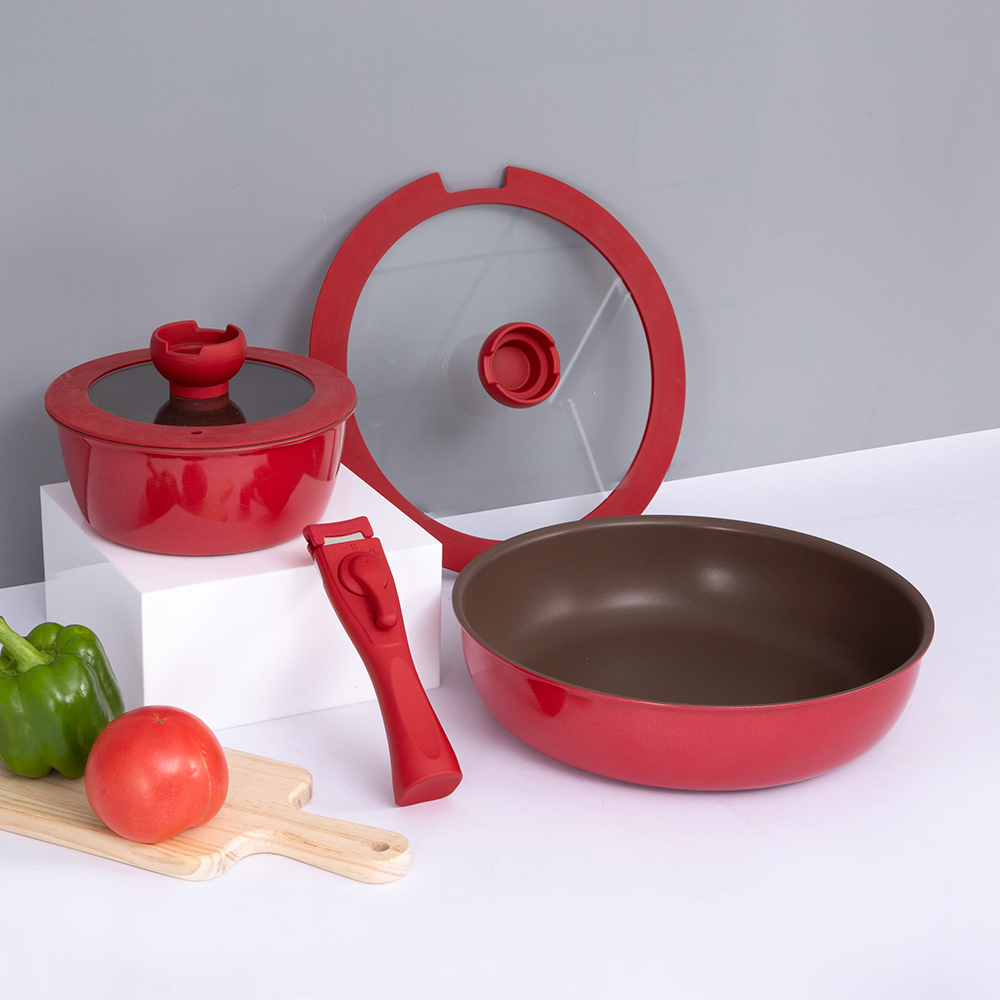
-3.jpg "24X5CM black medicinal stone coating Aluminum frying pan with glass lid DB-2405H")
-5.jpg "28X5.5CM black medicinal stone coating Aluminum frying pan with glass lid DB-2855H")
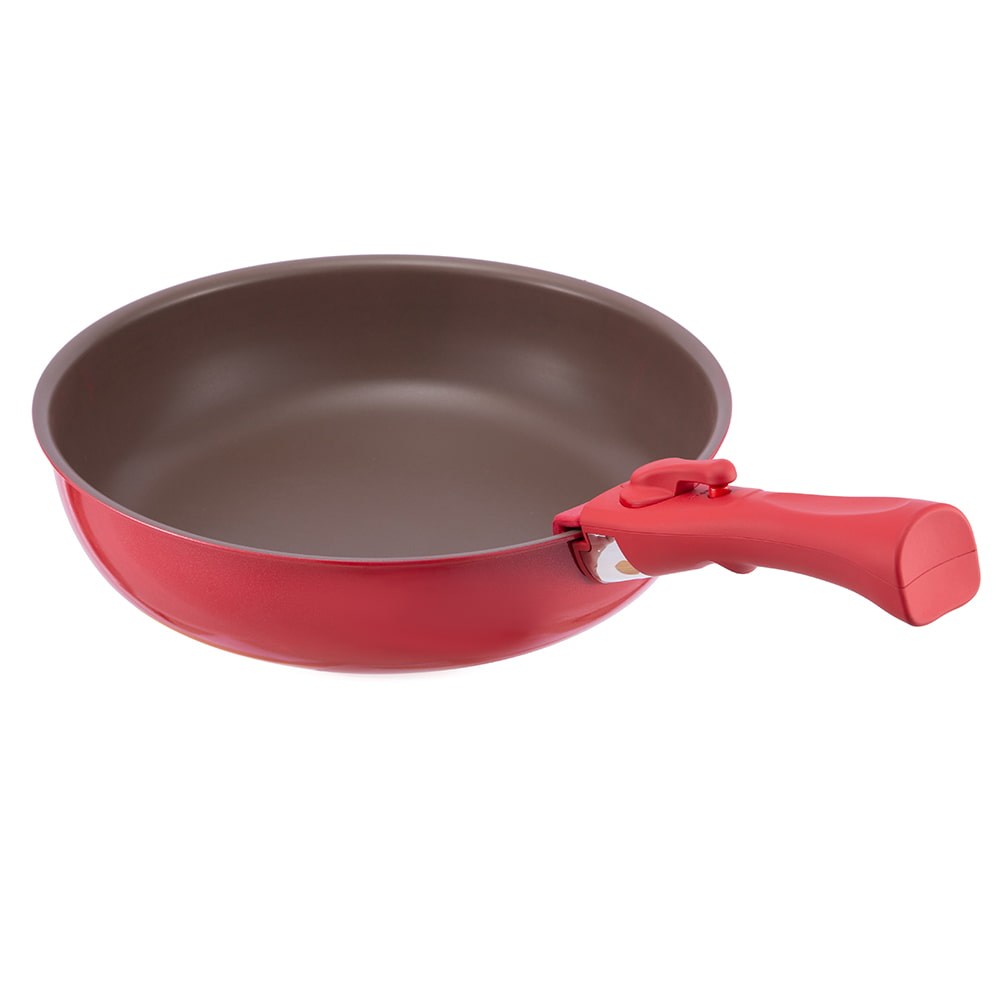
-3.jpg "24X5CM white medicinal stone coating Aluminum frying pan with glass lid DB-2405B")
-9.jpg "20X4.3cm Olive Green Food Safety Coated Stainless Steel 304 Frying Pan JY-2043L")
-3.jpg "20*4.3CM Single long handle uncovered coated frying pan JY-2043NP")
-14.jpg "24X4.5cm Olive Green Food Safety Coated Stainless Steel 304 Frying Pan JY-2445L")