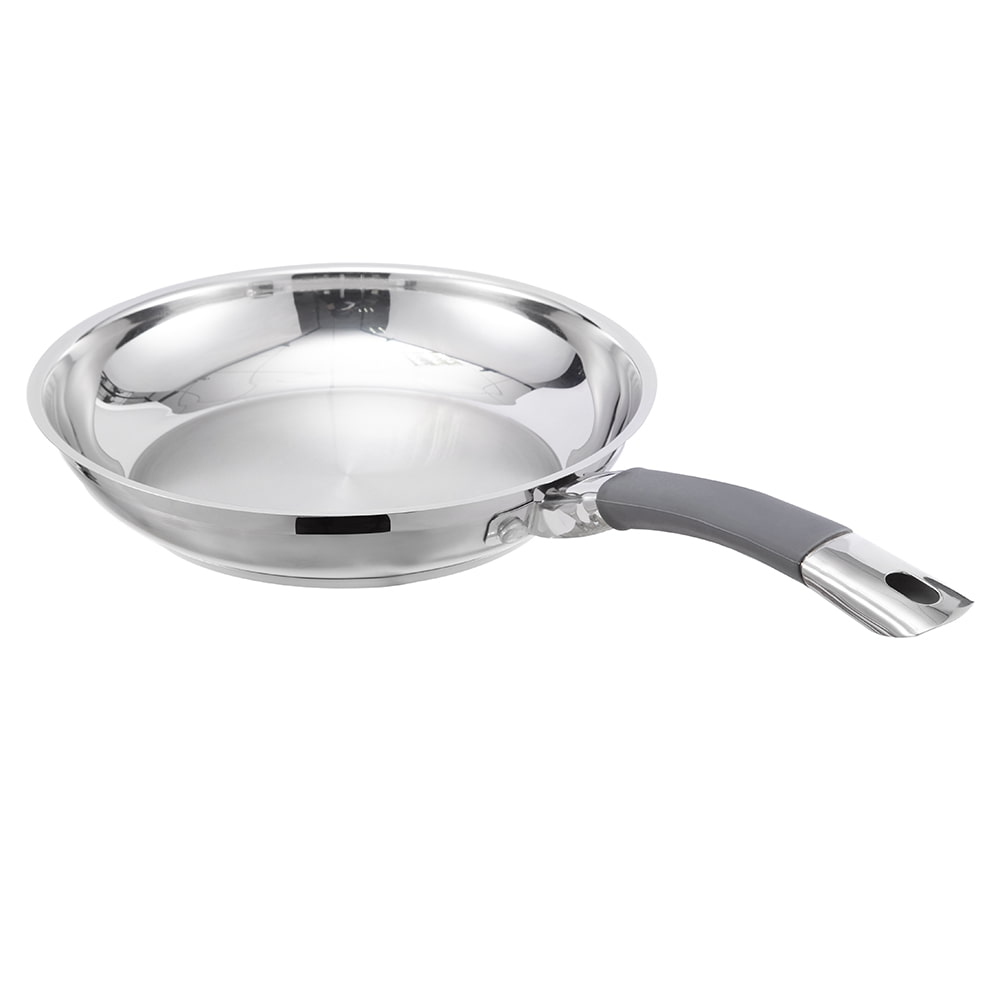
Ceramic plasma coating is an advanced surface treatment technology that applies a ceramic-based layer onto cookware through a high-energy plasma discharge process. Unlike conventional spray-on coatings, plasma treatment fundamentally alters the surface at a molecular level, creating an exceptionally dense, uniform, and chemically bonded layer that outperforms traditional methods in nearly every measurable category.
In practical terms, the process involves exposing the metal substrate — typically aluminum or stainless steel — to ionized gas at extremely high temperatures. This creates a plasma state in which ceramic particles are accelerated and fused directly into the pan surface. The result is a coating with hardness values typically reaching 9H on the pencil hardness scale, comparable to some industrial-grade coatings used in aerospace applications.
For cookware manufacturers and distributors, this technology represents a meaningful leap forward. The bonding mechanism achieved through plasma treatment is fundamentally superior to mechanical adhesion, meaning the coating does not simply sit on top of the metal — it becomes part of it. This distinction has significant implications for product durability, safety, and end-user satisfaction.
The ceramic compounds most commonly used in plasma coating for frying pans include silicon dioxide and titanium dioxide derivatives, both of which are inert, food-safe, and capable of withstanding sustained high-temperature cooking. These materials lend the coating its characteristic non-stick behavior, thermal stability, and scratch resistance.
Understanding the specific performance advantages of ceramic plasma coating is essential for buyers evaluating cookware at a product specification level. The following benefits are measurable, repeatable, and directly relevant to product performance in commercial and consumer kitchens.
One of the most commercially significant advantages of ceramic plasma coating is its ability to deliver high-performance non-stick cooking without the use of polytetrafluoroethylene (PTFE) or perfluorooctanoic acid (PFOA). As consumer demand for PTFE-free and PFOA-free cookware continues to grow — particularly in Europe and North America — ceramic plasma-coated frying pans offer a compelling, compliant alternative.
The ceramic surface provides a naturally low coefficient of friction. In standardized egg-release and fish-fillet tests, ceramic plasma-coated pans consistently achieve release force values below 0.3 N, placing them in the same performance tier as conventional PTFE coatings. This means delicate proteins, sticky sauces, and high-sugar glazes release cleanly without the need for excessive oil, satisfying both professional chefs and health-conscious home cooks.
Conventional non-stick coatings — including many standard ceramic spray coatings — are vulnerable to scratching from metal utensils, abrasive cleaning pads, and dishwasher cycles. Ceramic plasma coating dramatically changes this equation. The plasma fusion process produces a surface with:
For B2B buyers sourcing cookware for hospitality, foodservice, or retail distribution, these figures translate directly into lower return rates, reduced warranty claims, and stronger customer retention. A frying pan that resists scratching and maintains its surface integrity over years of use is a product that builds brand equity rather than eroding it.
Ceramic plasma coatings are stable at significantly higher temperatures than organic non-stick coatings. Most certified ceramic plasma formulations are rated for continuous use at temperatures up to 450C (842F), compared to 230-260C for standard PTFE-based coatings. This opens ceramic plasma-coated frying pans to applications such as:
Because the ceramic layer is thermally conductive and chemically inert, it does not interfere with the substrate metal's heat distribution characteristics. Aluminum-substrate pans retain their excellent thermal conductivity, while stainless steel pans maintain their premium heat retention profile. The coating adds protection without compromising the pan's core thermal behavior.
Ceramic plasma coatings are composed of inorganic oxide compounds that do not react with acidic or alkaline foods under cooking conditions. This means that preparing dishes with tomatoes, citrus juices, vinegar-based sauces, or alkaline baking preparations does not cause the coating to leach compounds into the food.
This is a critical compliance consideration for manufacturers and importers. Ceramic plasma-coated cookware readily meets the requirements of major global food contact material standards, including EU Regulation 10/2011, FDA 21 CFR, and LFGB (Germany). Third-party migration testing of ceramic plasma-coated surfaces consistently shows heavy metal and overall migration values well within regulatory limits, making certification straightforward for most major export markets.
To appreciate the full value of ceramic plasma coating, it helps to place it in context alongside the coating technologies it is most frequently compared against. The table below outlines key performance parameters across four common cookware coating approaches.
| Parameter | Ceramic Plasma Coating | Standard Ceramic Spray | PTFE Coating | Hard Anodizing |
|---|---|---|---|---|
| Hardness (Pencil Scale) | 7H - 9H | 2H - 4H | 1H - 2H | 6H - 7H |
| Max Continuous Temp. | 450C | 260C | 230C | 400C |
| PTFE/PFOA Free | Yes | Yes | No | Yes |
| Non-Stick Performance | Excellent | Good | Excellent | Moderate |
| Scratch Resistance | Excellent | Moderate | Poor | Good |
| Dishwasher Safe | Yes | Limited | No | Yes |
| Food Contact Compliance | EU / FDA / LFGB | EU / FDA | EU / FDA | EU / FDA |
| Coating Bond Type | Molecular Fusion | Mechanical Adhesion | Mechanical Adhesion | Electro-Chemical |
This comparison illustrates why plasma treated cookware is increasingly positioned as a premium-tier offering in both retail and professional markets. It combines the safety profile of conventional ceramic coatings with durability characteristics that previously required compromise — either in safety or in non-stick performance.
For cookware distributors, retailers, and OEM buyers, product durability is not just a consumer selling point — it is a supply chain and brand risk management issue. A pan that fails within 12 months generates returns, warranty costs, negative reviews, and reputational damage. Ceramic plasma coating addresses this risk at a structural level.
Conventional coatings rely on mechanical adhesion — the coating grips onto micro-roughened surfaces of the metal substrate. Over time, thermal expansion and contraction cycles, moisture ingress, and abrasion begin to weaken this adhesion. Bubbling, peeling, and flaking are the visible result.
Ceramic plasma coating bypasses this degradation pathway entirely. Because the ceramic layer is formed through molecular fusion rather than mechanical bonding, there is no adhesive interface to weaken. The coating does not peel away from the substrate because it is not layered on top of it — it is integrated into it. Accelerated aging tests simulating five to seven years of typical household use have shown ceramic plasma coatings maintaining adhesion integrity with no delamination.
A common cause of cookware coating failure — particularly in commercial kitchens — is thermal shock: transferring a hot pan directly under cold running water or placing it on a cold surface. Standard ceramic spray coatings can develop micro-cracks under repeated thermal shock, which progressively compromises both the coating's integrity and its non-stick properties.
The dense, low-porosity structure of ceramic plasma coatings provides significantly greater resistance to thermal shock. The coefficient of thermal expansion of plasma-deposited ceramic layers is engineered to be compatible with common cookware substrates, minimizing the internal stress that causes cracking. This makes plasma-coated pans particularly well-suited to professional environments where rough handling and rapid temperature changes are routine.
In foodservice and commercial cooking environments, pans are subjected to substantially greater stress than in household settings. Metal tools, aggressive scrubbing, industrial dishwashers, and stacking in prep stations all contribute to accelerated coating wear. Standard non-stick coatings in commercial kitchens often require replacement within 6 to 18 months.
Ceramic plasma-coated frying pans tested in commercial kitchen simulations have demonstrated service life extensions of 2 to 3 times compared to conventional ceramic coatings, and 3 to 4 times compared to standard PTFE coatings under equivalent use conditions. This longevity reduces total cost of ownership for foodservice operators and supports a compelling value-per-year proposition when communicating price premiums to buyers.
Beyond performance, ceramic plasma coating aligns strongly with the health and sustainability priorities that are reshaping cookware purchasing decisions at both consumer and institutional levels. These are not peripheral selling points — they are increasingly primary buying criteria, particularly in markets such as Western Europe, Australia, and the United States.
Ceramic plasma coatings contain no PTFE, PFOA, PFAS (per- and polyfluoroalkyl substances), lead, cadmium, or other heavy metals regulated under food contact material legislation. This is especially relevant in the context of growing global regulatory scrutiny of PFAS compounds. The EU's PFAS restriction proposal, expected to affect thousands of products, will substantially narrow the market for fluoropolymer-based cookware coatings. Ceramic plasma-coated products are inherently positioned outside the scope of these restrictions.
For importers and distributors, sourcing PFAS-free ceramic plasma cookware now is a proactive measure against regulatory risk. For end consumers, it is reassurance that no harmful compounds will migrate into food under any normal cooking condition — including high-heat searing and acidic food preparation.
The low surface energy of ceramic plasma coatings — typically below 25 mN/m — results in excellent food release properties that allow cooking with minimal or no added fat. This matters to health-conscious consumers, but it also matters to institutions managing dietary requirements, caloric targets, or allergen controls in food preparation. Commercial kitchen operators who adopt plasma-coated cookware often report measurable reductions in cooking oil consumption, with some operators documenting oil savings of 20 to 35% compared to uncoated stainless steel alternatives.
Sustainability in cookware is not only about material composition — it is also about product longevity. A frying pan that lasts 5 to 7 years instead of 18 months represents a significant reduction in material consumption, manufacturing emissions, and disposal volume. For brands and retailers building sustainability narratives around their cookware lines, ceramic plasma coating offers a quantifiable life-cycle advantage over conventional coatings.
One of the less-discussed but practically significant benefits of ceramic plasma coating is the precision and uniformity of the surface it produces. Unlike spray-on coatings, which can vary in thickness across complex pan geometries — particularly around rivets, handles, and curved sidewalls — plasma deposition achieves highly uniform layer thickness across the entire cooking surface.
In conventional coating processes, areas near rivets, handle attachments, or pan edges often receive uneven coverage due to spray angle limitations. These thin spots are the first to fail in service. Plasma treatment is not limited by spray geometry — the ionized medium flows around and conforms to all surface features, ensuring consistent coating thickness typically within a tolerance of plus or minus 5 microns across the entire pan surface.
This uniformity has a direct impact on cooking performance. Hot spots on the pan surface are a common complaint with poorly coated cookware. A uniform ceramic plasma coating does not introduce thermal heterogeneity — the substrate metal's heat distribution characteristics are preserved without interference, meaning food cooks evenly across the full cooking area.
The plasma deposition process creates a surface with very low roughness values — typically Ra values below 0.2 micrometers. This exceptionally smooth topography means food residues have minimal surface area to adhere to. Cleaning a ceramic plasma-coated frying pan typically requires only warm water and a soft cloth, even after cooking sticky or high-protein foods. This benefit compounds over time — a surface that is easy to clean is a surface that stays clean, preserving the coating's non-stick performance and hygienic properties throughout the product's service life.
For distributors, private label brands, foodservice equipment buyers, and OEM product developers, selecting a ceramic plasma cookware supplier involves a more layered evaluation than simply reviewing product samples. The following criteria represent the key technical and commercial dimensions that distinguish high-quality plasma-coated cookware at a sourcing level.
Ask suppliers to provide documented coating thickness ranges and the measurement method used. For ceramic plasma coatings on frying pans, typical functional thickness ranges from 20 to 60 microns, depending on the substrate material and intended application. Coatings below this range may exhibit reduced durability; coatings above it may be unnecessarily costly or may introduce thermal conductivity concerns. Request third-party measurement certificates rather than accepting nominal values.
Verify that the supplier conducts adhesion testing according to recognized standards, such as:
High-quality ceramic plasma coatings should achieve top-tier results (0 to 1 on the ISO 2409 scale) without exception across the full batch, not just on sample units.
For any cookware intended for sale in regulated markets, food contact compliance is non-negotiable. Request:
Plasma coating processes are highly sensitive to process parameters including gas flow rate, power density, substrate temperature, and deposition time. Small variations in any of these parameters can produce measurable differences in coating hardness, thickness, and surface energy. Ask suppliers about:
Ceramic plasma coating is an industrial process that involves capital-intensive equipment. Understanding a supplier's production economics is essential to structuring viable purchasing arrangements. For OEM and private label buyers, confirm whether the supplier can accommodate custom ceramic compound formulations, color tints (increasingly popular in premium retail cookware), or surface texture variations. Also verify lead times for tooling changes and the supplier's capacity to scale production in line with demand forecasts.
Ceramic plasma coating is not a single-market technology. Its combination of performance, safety, and durability makes it relevant across a broad range of cookware applications and market segments, each with distinct requirements.
In the premium consumer cookware segment, ceramic plasma coating enables differentiated positioning based on verifiable technical advantages rather than marketing claims. Product lines positioned on PFAS-free construction, metal utensil safety, and extended durability can command price premiums of 30 to 60% above standard ceramic coating alternatives, with strong consumer acceptance when these benefits are clearly communicated at point of sale.
For foodservice operators, the value proposition centers on total cost of ownership. Ceramic plasma-coated pans that require replacement every 4 to 5 years instead of annually can generate significant budget savings across a large kitchen operation. A restaurant operating 20 frying pans with an annual replacement cycle at typical replacement costs can reduce expenditure substantially by switching to longer-life plasma-coated alternatives. The additional upfront cost per unit is typically recovered within the first year of extended service.
Hotels, hospitals, corporate dining facilities, and educational catering operations have stringent requirements for food safety documentation, durability, and cleaning protocol compatibility. Ceramic plasma-coated cookware satisfies all three requirements with documented evidence. Its dishwasher compatibility and resistance to industrial cleaning agents make it particularly well-suited to operations using centralized commercial dishwashing equipment.
For brands that do not manufacture cookware but wish to offer ceramic plasma-coated products under their own label, the technology is well-suited to OEM arrangements. Experienced cookware manufacturers can apply ceramic plasma coatings to a range of pan shapes, sizes, and substrate materials, enabling private label buyers to develop differentiated product specifications without investing in coating infrastructure.
Regulatory compliance and third-party certification are increasingly important to market access in major cookware markets. Ceramic plasma coating's inorganic composition and well-characterized chemical properties make it one of the more straightforward coating technologies to certify under major global standards.
The EU's framework for food contact materials (EU Regulation 1935/2004 and associated specific measures) requires that cookware coatings be manufactured under good manufacturing practice and not transfer substances to food in quantities that could endanger human health or bring about an unacceptable change in the composition of the food. Ceramic plasma coatings based on silicon dioxide and titanium dioxide compounds have an established safety profile that aligns well with these requirements. Migration testing typically shows overall migration well below the EU limit of 10 mg/dm2 and specific migration values for silicon and titanium compounds within established limits.
In the United States, cookware coatings must comply with FDA food contact regulations under 21 CFR. The inorganic, non-reactive nature of ceramic plasma coatings means they do not require complex food additive petitions or novel substance approvals under most formulation approaches. California Proposition 65 compliance — relevant for sales in the California market — is also achievable given the absence of listed chemicals in standard ceramic plasma coating formulations.
Key Asian markets, including China, Japan, and South Korea, have their own cookware and food contact material regulations. China's GB standards for food contact materials and Japan's Food Sanitation Law requirements can both be addressed through ceramic plasma coating's clean composition profile. For buyers targeting pan-Asian distribution, a single ceramic plasma coating formulation with appropriate testing can often serve multiple national markets simultaneously, reducing the compliance burden significantly.
No. Standard ceramic coatings are applied by spraying or rolling a ceramic-containing liquid onto the pan surface and then curing it. Ceramic plasma coating uses ionized gas at high energy to fuse ceramic particles directly into the pan surface at a molecular level, resulting in significantly higher hardness, better adhesion, and longer service life.
Yes. Ceramic plasma coatings are chemically inert and do not react with acidic ingredients such as tomatoes, vinegar, citrus juice, or wine under normal cooking temperatures. This makes them suitable for a wide range of culinary applications without risk of chemical migration into food.
Ceramic plasma coatings have significantly higher scratch resistance than conventional coatings. With hardness ratings of 7H to 9H, they can withstand contact with metal spatulas and spoons in normal use far better than standard non-stick coatings. However, avoiding deliberately abrasive contact with sharp metal edges is still recommended to maximize service life.
Yes. The molecular fusion bond and chemical inertness of ceramic plasma coatings make them compatible with dishwasher cleaning, including repeated cycles. This distinguishes them from standard ceramic spray coatings and conventional PTFE coatings, which are typically not recommended for dishwasher use.
Most ceramic plasma coatings are rated for continuous use at temperatures up to 450C (842F), significantly higher than standard PTFE coatings (typically limited to 230C) and conventional ceramic spray coatings (typically limited to 260C). This makes them suitable for high-heat searing, oven finishing, and professional cooking applications.
Under typical household use conditions, ceramic plasma-coated pans demonstrate service life 2 to 4 times longer than standard ceramic or PTFE-coated alternatives. In commercial kitchen environments, the advantage is even more pronounced due to the coating's superior resistance to thermal cycling, abrasion, and industrial cleaning agents.
Ceramic plasma coating can be applied to aluminum, stainless steel, and cast iron substrates commonly used in cookware manufacturing. The coating process parameters are adapted to each substrate type to optimize adhesion and performance, making the technology versatile across different pan constructions and price points.
No. The ceramic plasma layer does not significantly alter the thermal conductivity or heat distribution characteristics of the underlying substrate. Aluminum-based pans retain their fast heat-up and even distribution properties, while stainless steel pans maintain their heat retention behavior.
Look for compliance documentation covering EU Regulation 1935/2004 and specific measures (particularly EU 10/2011), FDA 21 CFR food contact regulations, and relevant national standards for your target market (LFGB for Germany, GB standards for China, etc.). Third-party migration test reports from accredited laboratories are essential for verifying compliance claims.
Yes, ceramic plasma coating typically involves a higher production cost per unit than spray-on ceramic or PTFE coatings due to the capital intensity of plasma equipment and the precision required in the deposition process. However, the extended product lifespan, reduced return rates, and premium positioning potential typically justify this cost difference for products targeting mid-to-premium market segments.
 No. 1, Jingwei Road, Yangcheng Lake Town, Xiangcheng District, Suzhou City, China
 [email protected]
  +86-13913553688
Copyright © Suzhou Jiayi Stainless Steel Products Co., Ltd.
 Privacy
Wholesale Aluminum/ Stainless Steel Pan and Pot Manufacturers
Privacy
Wholesale Aluminum/ Stainless Steel Pan and Pot Manufacturers

 search
 中文简体
中文简体 English
 русский
 Français
 Español
 日本語
日本語
-4.jpg "20X4.5CM white medicinal stone coating Aluminum frying pan DB-2045B")
-1.jpg "20X4.5CM black medicinal stone coating Aluminum frying pan DB-2045H")
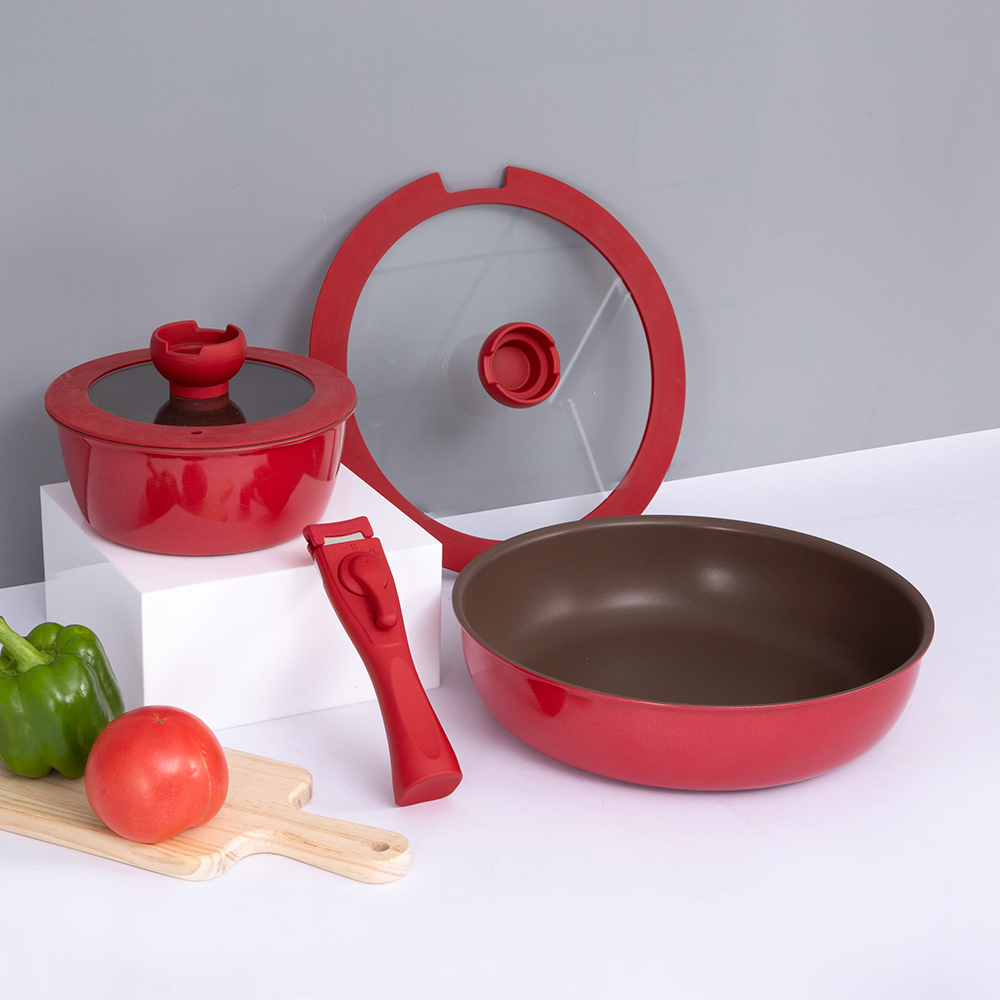
-3.jpg "24X5CM black medicinal stone coating Aluminum frying pan with glass lid DB-2405H")
-5.jpg "28X5.5CM black medicinal stone coating Aluminum frying pan with glass lid DB-2855H")
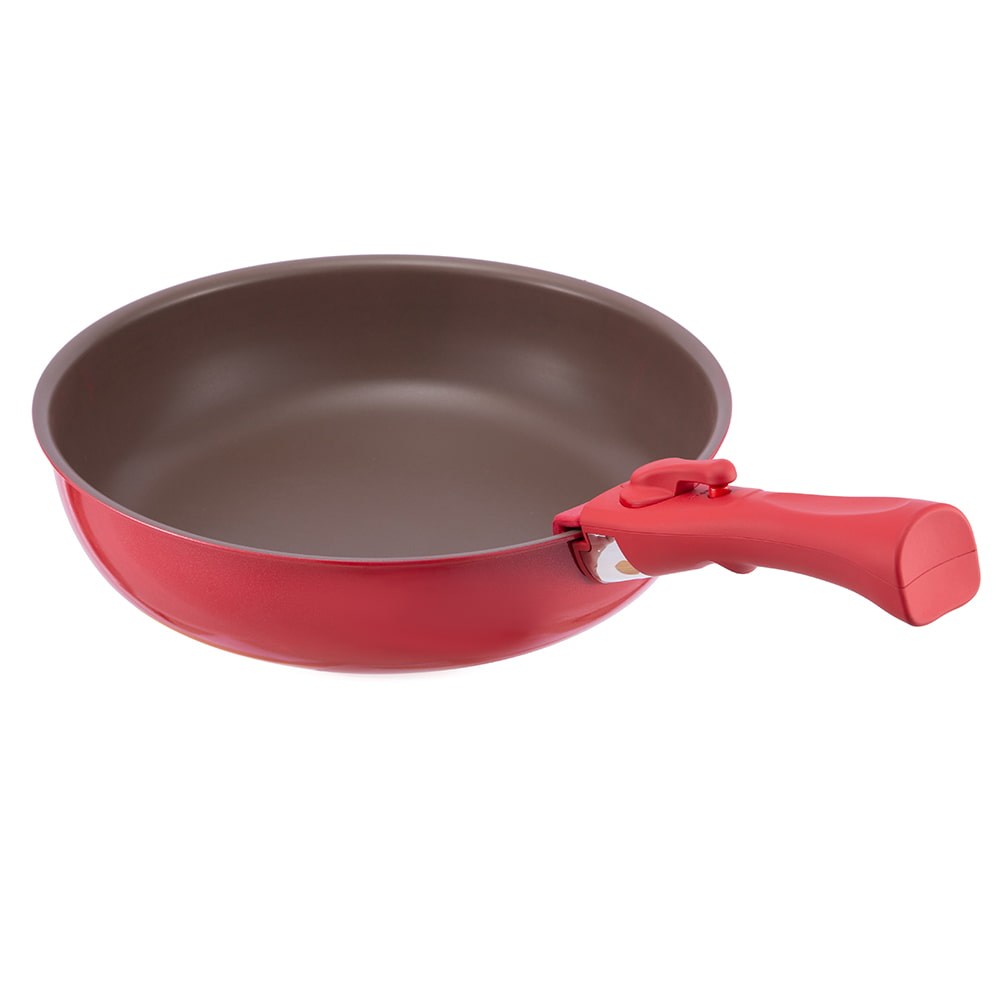
-3.jpg "24X5CM white medicinal stone coating Aluminum frying pan with glass lid DB-2405B")
-9.jpg "20X4.3cm Olive Green Food Safety Coated Stainless Steel 304 Frying Pan JY-2043L")
-3.jpg "20*4.3CM Single long handle uncovered coated frying pan JY-2043NP")
-14.jpg "24X4.5cm Olive Green Food Safety Coated Stainless Steel 304 Frying Pan JY-2445L")