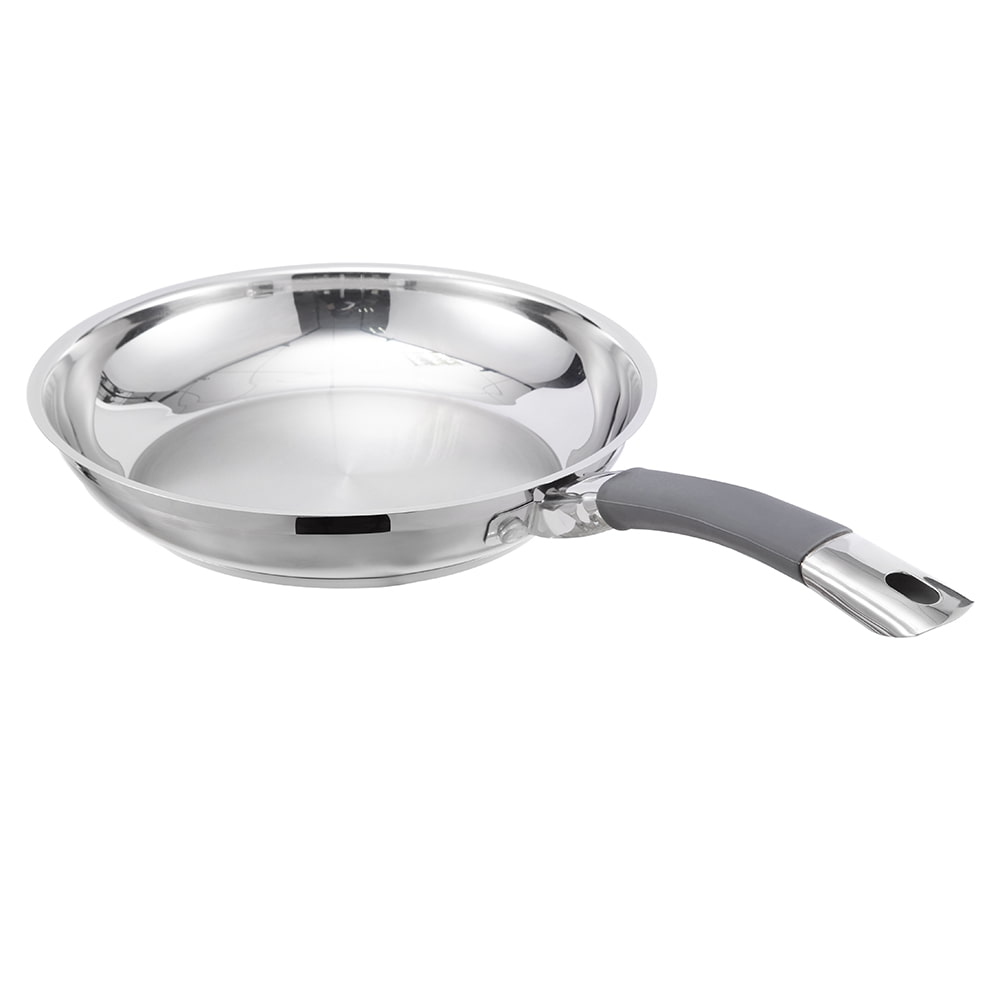
Non-stick cookware has revolutionized the modern kitchen, offering convenience, efficiency, and reduced need for cooking fats. Among the most versatile pieces in any cook's arsenal is the non-stick aluminum saucepan, prized for its excellent heat distribution, lightweight construction, and consistent cooking performance. However, like all quality kitchen investments, these pans require proper care and maintenance to preserve their non-stick properties and structural integrity. Understanding the correct cleaning and maintenance practices is essential not just for food safety and taste, but for protecting your investment and ensuring years of reliable service.
The non-stick coating on aluminum saucepans is a sophisticated technological achievement, yet it remains vulnerable to common household cleaning mistakes. Many home cooks inadvertently damage their cookware through harsh scrubbing, abrasive materials, high heat exposure, and improper storage. The difference between cookware that lasts for years and that which degrades within months often comes down to informed maintenance practices. This comprehensive guide explores the science behind non-stick coatings, identifies best practices for cleaning, and provides actionable strategies for extending the lifespan of your cookware collection.
The foundation of proper care begins with understanding what makes non-stick aluminum saucepans distinctive. Aluminum serves as the base material due to its exceptional thermal conductivity—it heats quickly and distributes heat evenly across the cooking surface. This characteristic makes aluminum saucepans ideal for delicate sauces, custards, and preparations requiring precise temperature control. The aluminum core is typically paired with a non-stick coating applied through specialized manufacturing processes that create microscopic surface irregularities preventing food adhesion.
Non-stick coatings represent a carefully engineered polymer interface between the aluminum base and the cooking surface. These coatings are exceptionally thin—typically measuring only micrometers in thickness—yet they create a barrier that prevents food molecules from bonding with the underlying metal. This thinness, while providing the non-stick benefit, also means the coating is susceptible to damage from physical abrasion, extreme temperatures, and exposure to harsh chemicals.
The non-stick layer works through two mechanisms: firsthand, the smooth surface provides minimal surface area for food particles to grip; secondly, the coating's chemical properties repel fats and proteins. When this coating remains intact, cooking becomes easier, cleanup becomes quicker, and less cooking oil is required. When damage occurs—whether through visible flaking or microscopic deterioration—the cookware loses its primary advantage and becomes subject to food sticking, uneven heating, and potential issues with coating particles in prepared foods.
Aluminum's responsiveness to heat is accompanied by certain vulnerabilities that directly influence maintenance needs. Aluminum reacts with acidic and alkaline compounds, which can interact with both the metal substrate and the non-stick coating. Additionally, aluminum expands when heated and contracts when cooled—this thermal cycling, when repeated many times, can stress the bond between the coating and the base metal, potentially leading to delamination if cookware is subjected to extreme temperature changes.
Understanding these properties reveals why conventional cleaning methods may be inappropriate for non-stick aluminum cookware. Aggressive scrubbing with steel wool or scouring powders, for instance, removes the protective non-stick layer through mechanical abrasion. Exposure to extreme temperature gradients—such as placing a hot pan directly into cold water—stresses the interface between coating and metal. Knowledge of these vulnerabilities is the first step toward developing cleaning routines that preserve rather than damage your cookware.
The period immediately following cooking is critical for protecting your non-stick aluminum saucepan. During this window, the coating remains warm and is at its most vulnerable to damage. Implementing proper protocols during this phase significantly impacts long-term cookware durability.
The most critical rule for post-cooking care is avoiding rapid temperature changes. After cooking, allow your saucepan to cool naturally at room temperature before washing. Resist the temptation to immediately rinse the pan under cold water—this thermal shock can cause micro-fractures in the non-stick coating and may lead to premature delamination. If you must cool the pan more quickly, use warm or lukewarm water rather than cold water, allowing the temperature transition to occur gradually over a period of one to two minutes.
Once the pan has reached room temperature or is still slightly warm (not hot to the touch), you can proceed with cleaning. This approach addresses multiple concerns simultaneously: it protects the non-stick coating from thermal stress, it makes food residue easier to remove because it hasn't had time to harden, and it allows safe handling without risk of burns.
Once the pan is cool or warm, fill it with lukewarm water and add a small amount of gentle dish soap. Standard liquid dish soap designed for hand-washing dishes is ideal—it's formulated to be effective yet gentle on various surfaces. Use approximately one-half teaspoon of soap per pan, adjusting based on the soiling level. The goal is sufficient cleaning action without creating harsh alkaline conditions that might damage the non-stick coating or leave residue.
Allow the soapy water to sit in the pan for two to three minutes. This soaking period permits the soap to break down grease and food residue, making them easier to remove without requiring aggressive scrubbing. The warm (not hot) water facilitates this process without causing thermal stress to the cookware. For pans with particularly stubborn residue, extending the soaking time to five minutes provides better results than increasing scrubbing intensity.
After soaking, clean the pan using a soft cloth, soft sponge, or non-abrasive brush. The key characteristic is softness—materials should be gentle enough that they would not damage delicate skin. Microfiber cloths are particularly effective because they remove residue efficiently while remaining gentle on the non-stick surface. Soft silicone brushes designed for cookware cleaning are also excellent choices.
Use circular motions with light to moderate pressure when cleaning. Avoid scrubbing with force—the gentle action of the soft material combined with the chemical action of the soap is sufficient for normal cooking residue. Pay particular attention to the cooking surface itself, as this is where buildup is most visible and most likely to affect performance. The pan's exterior, while not the non-stick cooking surface, should also be cleaned to remove any grease splatter or stains that might otherwise bake on during future use.
For stubborn food stuck to the surface, avoid the temptation to scrub harder. Instead, increase the soaking time. Return the pan to warm, soapy water and allow it to soak for ten to fifteen minutes. This extended soaking period is far more effective at loosening stuck food than aggressive scrubbing, and it avoids the risk of coating damage. After additional soaking, most residue can be removed with minimal effort using a soft cloth.
Despite meticulous daily care, non-stick aluminum saucepans occasionally develop buildup or discoloration that standard cleaning doesn't address. Understanding safe advanced cleaning methods prevents the need for damaging approaches while restoring cookware appearance and performance.
When soft-cloth cleaning with standard dish soap proves insufficient, a degreasing soak is the next appropriate step. Fill the saucepan with warm water and add one to two tablespoons of a concentrated dish soap known for degreasing properties. The exact amount depends on the soap formulation—stronger concentrations may require less volume. Alternatively, add one tablespoon of white vinegar to the warm water and soap solution. The vinegar's acidity helps break down mineral deposits and stubborn grease without being harsh enough to damage the non-stick coating.
Allow this solution to work for twenty to thirty minutes, occasionally agitating the solution gently by swirling rather than scrubbing. The extended contact time permits the degreasing solution to penetrate and break down baked-on residue. After soaking, use a soft sponge or cloth to gently remove the loosened residue. This method successfully handles buildup that resists standard washing without compromising the non-stick surface.
Surface discoloration on non-stick aluminum saucepans is common and typically results from heat marks, mineral deposits, or staining from cooked foods. While functionally insignificant—the pan remains non-stick and safe—many cooks prefer to maintain their cookware's appearance. Several gentle approaches address discoloration effectively.
A paste of baking soda and water creates a mild abrasive that safely removes surface discoloration. Combine three parts baking soda with one part water to create a thick paste. Apply this paste to the discolored areas and gently rub using a soft cloth, working in circular motions. Baking soda's hardness is significantly lower than the non-stick coating, making it safer than commercial scouring powders. The mild abrasiveness removes discoloration without scratching the underlying coating. After treatment, rinse thoroughly with warm water to remove all baking soda residue.
For mineral staining from hard water, white vinegar proves highly effective. Fill the saucepan with equal parts white vinegar and water, bring the solution to a gentle simmer for five to ten minutes, then allow it to cool to room temperature. The vinegar's acidity dissolves mineral deposits without damaging the pan's interior. After this treatment, wash the pan thoroughly with warm soapy water to remove vinegar odor. This method is particularly valuable in areas with hard water, where mineral buildup can gradually obscure the non-stick surface.
Certain cleaning approaches are inappropriate for non-stick aluminum cookware regardless of the severity of soiling:
Adhering to these restrictions prevents irreversible damage while encouraging safe alternatives that achieve comparable or superior results.
Cleaning accounts for only part of proper maintenance. How cookware is dried and stored significantly influences longevity and performance. Improper handling during these phases can undo the benefits of careful cleaning or create conditions for degradation.
After washing, remove excess water by gently pouring or tilting the saucepan. Then dry the pan thoroughly using a clean, soft cloth. This two-step process removes water that might otherwise spot the surface or create mineral deposits in areas where tap water is hard. Hand-drying also permits tactile inspection of the coating—during drying, you can feel for any areas where the coating may be deteriorating or flaking, allowing early detection of damage before it becomes severe.
Avoid air-drying non-stick aluminum cookware. Water droplets left on the surface evaporate unevenly, leaving mineral deposits visible as water spots. Extended exposure to moisture, particularly mineral-rich water, can gradually affect the coating's performance. The few minutes required for hand-drying represent a worthwhile investment in cookware preservation.
Where and how you store your non-stick aluminum saucepan matters considerably. The ideal storage location is a cool, dry place with moderate temperatures—kitchen cabinets at room temperature are typical and appropriate. Avoid storing cookware in areas subject to temperature extremes, high humidity, or direct sunlight, as these conditions gradually stress the non-stick coating.
Stacking cookware requires care. Never stack other pans directly on top of your non-stick saucepan, as the weight combined with sliding friction can damage the coating. Instead, separate stacked pans using protective layers—paper plates, cloth napkins, or specialized cookware separators work well. Alternatively, store your non-stick aluminum saucepan in a dedicated location where stacking is unnecessary.
When storing with lids, ensure the lid is completely dry before placing it on the pan. Moisture trapped between the pan and lid creates conditions for corrosion and mold growth. Similarly, never store cookware with food residue or cleaning solution inside—always ensure complete cleaning and drying before storing.
For kitchens with limited storage space, consider storing non-stick saucepans hanging from hooks or a pegboard. This approach prevents stacking damage entirely and often provides easier access. Ensure hooks are smooth and padded to prevent coating damage from friction during hanging or removal.
Cleaning represents only half of proper maintenance. How you use your non-stick aluminum saucepan during cooking significantly influences how long the non-stick properties remain effective. Certain cooking practices damage the coating, while others protect it.
Non-stick coatings have temperature limitations. While the exact threshold varies based on coating type, most non-stick aluminum cookware should not be heated above medium-high heat. Excessive temperatures cause the coating to degrade, reducing its effectiveness and potentially creating conditions where coating particles may shed into food. Use medium or medium-low heat for most applications, reserving higher temperatures only when necessary for rapid boiling or searing.
Preheat saucepans moderately rather than aggressively. Place the pan on the stove and increase heat gradually, allowing it to reach cooking temperature steadily. This controlled heating prevents thermal stress on the bond between the coating and the aluminum base. Additionally, this approach is more energy-efficient and safer, reducing the risk of accidental burns from unattended overheating.
Using medium heat for most tasks—including sauce reduction, custard preparation, and general cooking—maintains the non-stick coating while providing sufficient temperature for proper food preparation. Most recipes that specify "high heat" can be adjusted to use medium-high heat in non-stick cookware without significant impact on cooking results.
The tools used in your saucepan directly impact the non-stick coating's integrity. Metal utensils—spoons, spatulas, and whisks made of stainless steel—can scratch and gouge the coating with repeated contact, particularly when stirring or scraping food. Instead, use utensils specifically designed for non-stick cookware: silicone-coated tools, wooden spoons, or soft plastic implements. These materials are gentler on the coating while providing the necessary functionality for most cooking tasks.
Wooden spoons and spatulas are traditional choices that remain excellent for non-stick cookware. Wood's hardness is lower than the non-stick coating, making it incapable of causing damage through normal stirring and mixing. Silicone-coated implements offer similar protection while providing heat resistance and modern convenience. Soft plastic utensils also work well, though they may not provide the durability of wood or silicone for long-term use.
Avoid cutting food directly in the saucepan with sharp knives. If chopping is necessary—such as breaking up meat while browning—use a gentle approach and wooden utensils rather than sharp metal tools. Intentional knife work on the coating surface creates deliberate damage and should be avoided entirely.
Non-stick aluminum saucepans excel in certain applications while being less suitable for others. Understanding these distinctions helps preserve the coating for tasks where it provides the greatest benefit.
Non-stick saucepans are ideal for:
Applications less suited to non-stick aluminum saucepans include vigorous boiling (high-heat situations where the coating experiences stress), preparation of acidic foods in high volume (extended contact with acidic liquids can gradually affect the coating), and situations requiring aggressive stirring with metal utensils.
Despite careful maintenance, non-stick coatings eventually deteriorate. Understanding the signs of aging and knowing when repair or replacement is appropriate ensures food safety and cooking quality.
The most obvious sign of coating deterioration is visible flaking or peeling. When the non-stick coating begins separating from the aluminum base, visible particles may appear in the pan or on utensils. Any evidence of flaking warrants immediate cessation of use, as consuming coating fragments poses health concerns. If flaking is limited to a very small area, the pan may still be used for non-critical tasks, but it should not be used for food preparation intended for consumption.
Loss of non-stick properties is another key indicator. If food begins sticking consistently despite adequate oil and proper technique, the coating may be degrading microscopically even if no visible damage is apparent. A simple test involves adding a small amount of oil to the saucepan and tilting it gently—the oil should flow freely across the surface. If oil tends to stick or bead in some areas while flowing freely in others, uneven coating deterioration is occurring.
Discoloration alone is not necessarily a sign of coating failure—many discolored non-stick pans remain fully functional. However, discoloration combined with sticking or visible damage warrants concern. Additionally, any visible cracks, gouges, or areas where the bare aluminum beneath the coating is exposed indicate that the pan's integrity is compromised and it should be retired from service.
When deterioration is confirmed, several options are available depending on the severity and the value of the cookware:
| Deterioration Severity | Recommended Action | Considerations |
| Minor discoloration, full non-stick function retained | Continue use with maintained care | Cosmetic issues do not affect performance or safety |
| Reduced non-stick performance, minor worn areas | Retire from primary use; repurpose for non-critical applications | Use for boiling water, heating oil, or other tasks not affected by sticking |
| Visible flaking, large worn areas, or compromised coating integrity | Discontinue use immediately; consider replacement | Do not use for food preparation; coating particles present health concerns |
The expected lifespan of a well-maintained non-stick aluminum saucepan ranges from three to seven years, though this varies based on usage intensity, cooking techniques, and maintenance diligence. Heavy daily use and exposure to conditions that stress the coating (high heat, aggressive stirring, hard water) reduce lifespan, while gentle use and meticulous care extend it. Understanding your pan's age and usage patterns helps set realistic expectations for when replacement may become necessary.
In addition to daily care, periodic deep maintenance extends the life of non-stick aluminum cookware. These approaches, undertaken several times yearly or seasonally, address wear that accumulates despite regular cleaning.
Every three months, perform a thorough cleaning that goes beyond daily maintenance. Begin with the warm water and dish soap approach, then apply a baking soda paste to the entire cooking surface, including the exterior. Use gentle circular motions with a soft cloth to work the paste across all surfaces. This quarterly deep clean removes accumulated oxidation and minor buildup that daily washing might miss. Rinse thoroughly and hand-dry completely.
Following the baking soda treatment, fill the saucepan with equal parts white vinegar and water. Bring this solution to a gentle simmer and maintain it for ten minutes. This vinegar treatment addresses mineral deposits and any microscopic corrosion occurring on the aluminum substrate. The acidity neutralizes deposits and promotes even heating characteristics. After simmering, allow the pan to cool, then wash thoroughly with warm soapy water to remove vinegar odor, and hand-dry completely.
Unlike cast iron or carbon steel, non-stick aluminum cookware does not require traditional seasoning. However, light conditioning with oil can help maintain the coating's integrity and enhance non-stick properties. After completing a quarterly restoration cleaning and ensuring the pan is completely dry, apply a very light coating of neutral oil (such as vegetable or canola oil) to the entire cooking surface using a soft cloth. Use minimal oil—the goal is a thin film, not a heavy coating. Wipe the pan with a clean cloth to remove excess oil.
This light oil conditioning serves multiple purposes: it provides protection against oxidation, it rejuvenates the non-stick surface's hydrophobic properties, and it creates a protective barrier against minor abrasion. Allow the oiled pan to sit for one hour, then wipe it completely clean with a fresh cloth. This conditioning process, performed quarterly, noticeably extends the pan's active lifespan.
Annually, perform a comprehensive assessment of your non-stick aluminum saucepan's condition. Conduct the oil-flow test mentioned earlier to evaluate non-stick effectiveness. Examine the entire surface—both cooking surface and exterior—for signs of flaking, discoloration, or damage. Check the handle and any riveted connections for corrosion or looseness. Evaluate whether the pan heats evenly or if there are hot spots suggesting underlying damage.
Based on this annual assessment, make informed decisions about continued use, retirement to secondary tasks, or replacement. Documenting observations over multiple years allows you to track deterioration patterns and anticipate when replacement will become necessary. This proactive approach prevents situations where cookware suddenly fails and replacement becomes urgent rather than planned.
Misinformation about non-stick cookware care remains common, leading many home cooks to inadvertently damage their investment through well-intentioned but misguided practices.
The reality is that thorough cleaning requires time and chemistry, not physical force. Gentle cleaning with adequate soaking time removes food residue as effectively as aggressive scrubbing while protecting the coating. In fact, vigorous scrubbing is counterproductive—it removes the non-stick layer and generates no additional cleanliness benefit. Many home cooks are surprised to find that their pans clean faster and more completely after switching from harsh scrubbing to gentle methods with extended soaking periods.
While some manufacturers claim certain non-stick cookware is dishwasher-safe, hand-washing is always preferable for non-stick aluminum saucepans. Dishwashers expose cookware to high-pressure water jets, extreme temperatures, harsh detergents, and jostling against other items—all conditions that stress the non-stick coating. Even dishwasher-safe cookware deteriorates more rapidly in the dishwasher than when hand-washed. For maximum lifespan, hand-wash your non-stick aluminum saucepan using the methods described in this guide.
The actual fact is that non-stick cookware performs excellently at medium and medium-high heat, with high heat providing minimal additional benefit while significantly stressing the coating. Most cooking tasks—from sauce preparation to gentle simmering—are completed adequately at medium heat. The notable exceptions are rapid boiling of water (which can tolerate higher heat briefly) and rare situations requiring high-heat searing (which are better accomplished with uncoated cookware). For non-stick cookware longevity and performance, medium heat is the optimal choice for nearly all applications.
This persistent misconception has confused many cooks. The reality is that metal utensils scratch and gouge non-stick coatings with every use. While a single use causes minor damage, repeated use with metal tools quickly degrades the coating. Soft plastic, silicone, and wooden utensils are substantially gentler and provide all the functionality needed for normal cooking. Choosing appropriate utensils is one of the simplest and most impactful steps for preserving your cookware.
Implementing all the maintenance recommendations in this guide is only sustainable if you develop a routine that fits naturally into your household's workflow. The most effective approach balances thorough care with practical convenience.
Begin by establishing daily post-cooking habits that require minimal time investment. After cooking, allow your saucepan to cool naturally while you complete other meal cleanup tasks. Once cool, fill the pan with warm soapy water and allow it to soak for three minutes while you finish other kitchen work. Then, spend approximately two minutes gently cleaning with a soft cloth, rinsing thoroughly, and hand-drying. This entire process requires less time than loading and unloading a dishwasher while providing superior results and cookware protection.
Make appropriate utensil use automatic by storing wooden spoons and soft silicone tools in the most convenient location—typically in a jar or drawer immediately adjacent to your stove. When soft utensils are as accessible as metal ones, they become your default choice through convenience rather than conscious decision. Similarly, store your non-stick saucepan in a dedicated location where it won't be accidentally stacked with other cookware.
Schedule seasonal maintenance by linking it to calendar events or seasonal changes. For example, perform a quarterly deep clean at the beginning of each season (spring, summer, autumn, winter). Set a calendar reminder if necessary, but the goal is to make this maintenance automatic rather than requiring constant conscious effort. The quarterly restoration cleaning and oil conditioning described earlier require approximately fifteen minutes and represent a worthwhile investment in cookware longevity.
Conduct the annual comprehensive assessment on a consistent date—perhaps on your cookware's anniversary of purchase or on the first day of the year. This yearly evaluation requires approximately ten minutes and provides valuable information about your cookware's condition and remaining serviceable life. Documentation of these annual assessments, noted in your kitchen notebook or phone calendar, helps track patterns and anticipate when replacement becomes necessary.
If others in your household use your cookware, educate them about proper care techniques. Explain why certain practices matter—not from a perspective of restriction, but from the practical standpoint of preserving tools that provide excellent performance. Most family members understand that using correct techniques extends the cookware's lifespan and ensures everyone benefits from consistently high-quality cooking results. Post a simple reminder near your stove listing appropriate utensils and basic care practices.
Consider developing a written guideline or simple infographic that explains care requirements. Specific, practical guidance ("use wooden spoons") proves more effective than abstract principles ("be gentle"). When care instructions are clear and accessible, compliance improves significantly, and your non-stick cookware remains in excellent condition despite shared household use.
No, if visible flaking of the coating is occurring, the cookware should be retired from service immediately. Consuming coating fragments poses health concerns. While the coating itself is generally recognized as safe in its intact form, ingestion of fragments is not advisable. Discontinue use and replace with cookware that has an intact coating.
Most non-stick aluminum saucepans are not compatible with induction cooktops because aluminum is not ferromagnetic. However, some manufacturers produce induction-compatible non-stick cookware by incorporating a ferromagnetic base layer. Check your saucepan's specifications or test it with a magnet—if a magnet sticks to the bottom, the pan is induction-compatible. If not, it will not function on induction cooktops.
With meticulous care, a quality non-stick aluminum saucepan can remain functional for five to seven years. With moderate care, expect three to five years. Factors affecting lifespan include usage frequency, cooking techniques, maintenance diligence, water hardness, and the quality of the original non-stick coating. Monitor your pan annually and replace it when the coating significantly deteriorates or stops performing adequately.
Professional recoating services exist and can restore severely worn cookware to like-new condition. However, these services are often expensive, typically costing as much or more than purchasing a replacement pan. For minor damage limited to small areas, continued use may be acceptable if the pan is not used for critical food preparation. For extensive damage or flaking, replacement is usually more practical than professional recoating.
Odors in non-stick cookware typically result from residual food particles, mineral deposits, or vinegar after cleaning. To eliminate odor, fill the pan with equal parts white vinegar and water, bring to a gentle simmer for five minutes, then allow to cool. After cooling, wash thoroughly with warm soapy water and hand-dry. If odor persists, soak the pan overnight in a solution of baking soda and water, then wash and dry completely. Most odors respond to one of these approaches.
Yes, discoloration is extremely common on non-stick cookware and does not indicate coating failure or food safety concerns. Heat marks, mineral deposits from hard water, and staining from cooked foods create visible discoloration that is purely cosmetic. The non-stick properties and safety remain intact even with significant discoloration. If you prefer to restore appearance, the baking soda paste or vinegar treatments described in this article address most discoloration effectively.
No, you should avoid preheating non-stick cookware to high temperatures without food present. Empty non-stick pans at high heat experience temperature stress and can be damaged. Always preheat to moderate temperatures, or better yet, add your cooking medium (oil, water, or food) to the pan as it heats. This approach protects the coating and is safer overall, reducing the risk of accidental burns from touching an intensely hot pan.
White vinegar is highly effective against mineral deposits from hard water. Fill the saucepan with equal parts white vinegar and water and bring to a gentle simmer for five to ten minutes. Allow to cool, then wash thoroughly with warm soapy water. For extensive mineral buildup, use a soft cloth with a baking soda paste to gently remove deposits. Never use commercial lime removal products designed for bathroom fixtures, as these are too harsh for non-stick coatings.
Extended soaking in room-temperature soapy water is acceptable and can be beneficial for stubborn baked-on residue. However, avoid soaking in extremely hot water or solutions containing harsh chemicals. Overnight soaking in mild dish soap and water helps loosen stuck food without damaging the pan. After soaking, gently clean and rinse thoroughly. This approach is preferable to aggressive scrubbing for difficult cleaning situations.
Store your non-stick aluminum saucepan in a cool, dry location at room temperature. Never stack other cookware directly on top of it. If stacking is necessary, place protective layers (cloth, paper plates, or specialized separators) between pans. Alternatively, hang the pan from a smooth hook or store it in a dedicated location where stacking is unnecessary. Ensure the pan is completely dry before storing, and never store with food residue inside.
 No. 1, Jingwei Road, Yangcheng Lake Town, Xiangcheng District, Suzhou City, China
 [email protected]
  +86-13913553688
Copyright © Suzhou Jiayi Stainless Steel Products Co., Ltd.
 Privacy
Wholesale Aluminum/ Stainless Steel Pan and Pot Manufacturers
Privacy
Wholesale Aluminum/ Stainless Steel Pan and Pot Manufacturers

 search
 中文简体
中文简体 English
 русский
 Français
 Español
 日本語
日本語
-4.jpg "20X4.5CM white medicinal stone coating Aluminum frying pan DB-2045B")
-1.jpg "20X4.5CM black medicinal stone coating Aluminum frying pan DB-2045H")
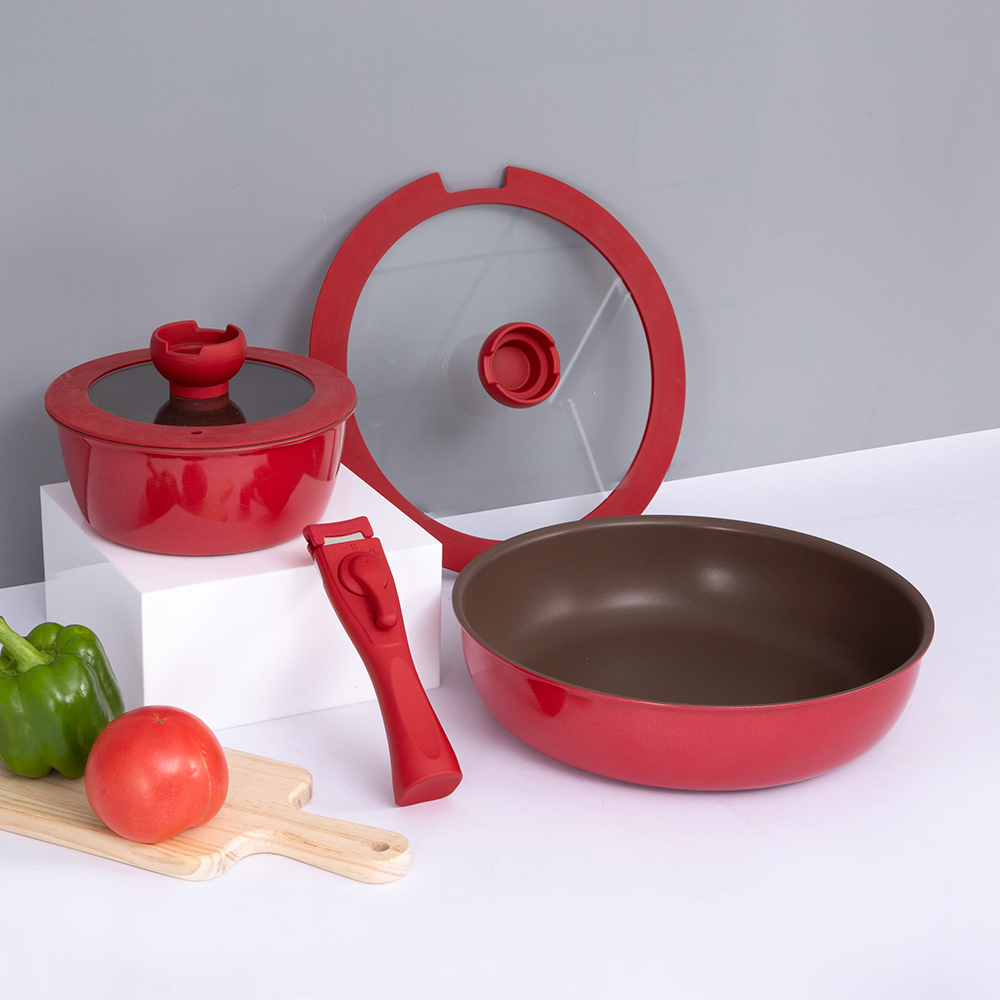
-3.jpg "24X5CM black medicinal stone coating Aluminum frying pan with glass lid DB-2405H")
-5.jpg "28X5.5CM black medicinal stone coating Aluminum frying pan with glass lid DB-2855H")
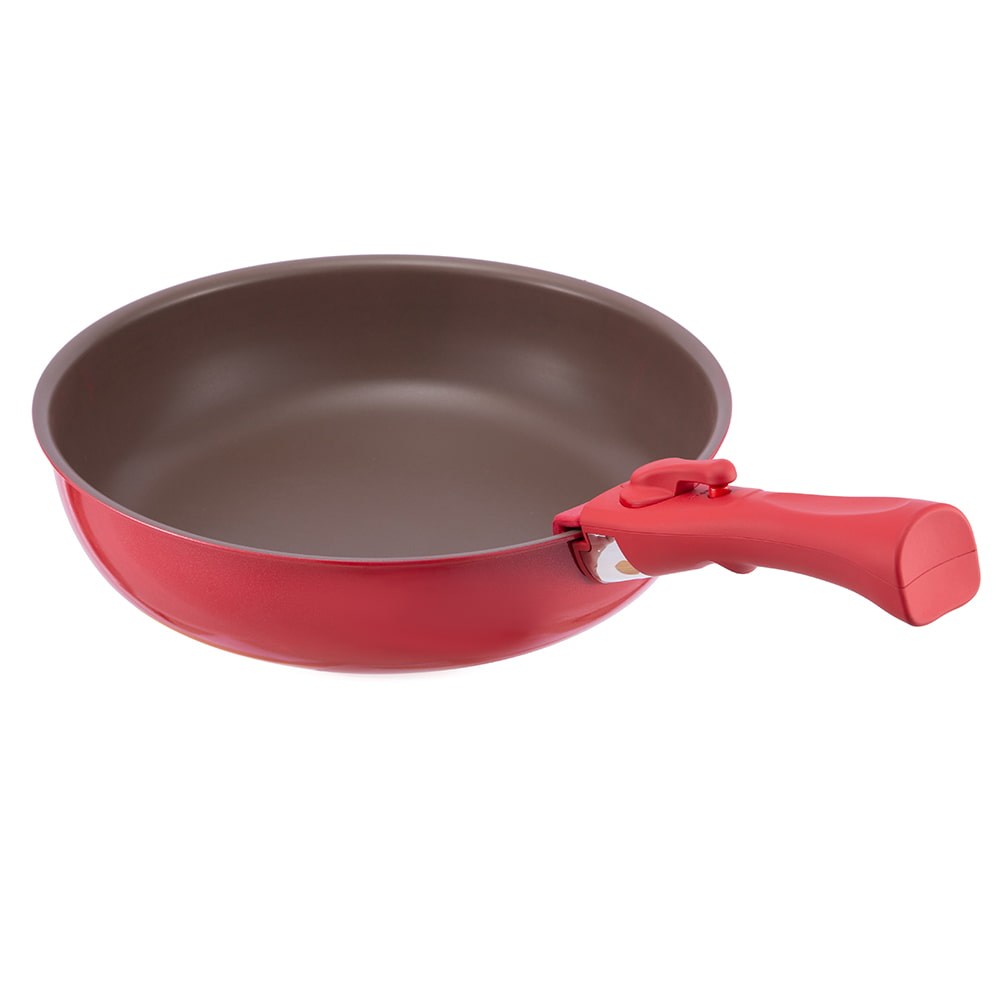
-3.jpg "24X5CM white medicinal stone coating Aluminum frying pan with glass lid DB-2405B")
-9.jpg "20X4.3cm Olive Green Food Safety Coated Stainless Steel 304 Frying Pan JY-2043L")
-3.jpg "20*4.3CM Single long handle uncovered coated frying pan JY-2043NP")
-14.jpg "24X4.5cm Olive Green Food Safety Coated Stainless Steel 304 Frying Pan JY-2445L")