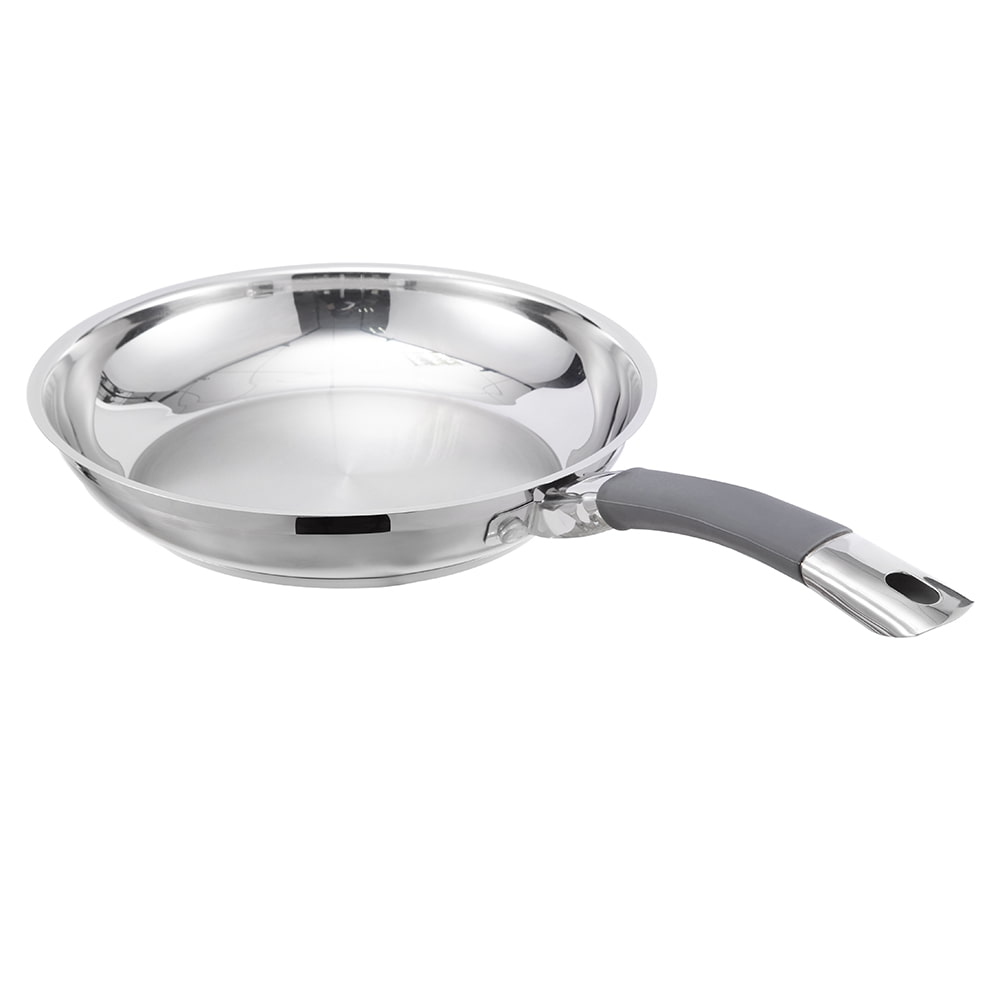
Cooking with a frying pan made of stainless steel often presents challenges related to food sticking. Unlike non-stick surfaces, stainless steel requires specific techniques to minimize adhesion. The reasons behind sticking are multifactorial, encompassing thermal conductivity, surface texture, and cooking methods.
Stainless steel pans have a highly polished, smooth surface that can still develop micro-irregularities during manufacturing or over time. These microscopic valleys can trap proteins and carbohydrates, causing food to adhere during cooking. Additionally, temperature variations across the pan surface can contribute to uneven cooking and sticking.
Temperature control is a critical factor when cooking with a stainless steel frying pan. If the pan is too cold, proteins such as those in meat or eggs bond quickly to the surface. Conversely, overheating can create a similar effect due to rapid moisture evaporation.
These steps reduce the likelihood of sticking by creating a temporary layer of oil between the food and pan surface.
High water content in ingredients contributes significantly to adhesion. Vegetables and proteins release moisture as they cook, which can cause the food to stick if the pan’s surface is not properly preheated or oiled.
Even though stainless steel is resistant to rust and corrosion, the pan’s surface can still impact adhesion. Over time, scratches and wear can increase sticking tendencies.
Choosing the right oil and applying it properly is essential. Oils act as a barrier between the food and stainless steel surface, reducing adhesion. High smoke point oils, such as canola or grapeseed, are preferred for searing and frying.
| Oil Type | Smoke Point (°C) | Recommended Use |
|---|---|---|
| Canola Oil | 204 | Searing, sautéing |
| Grapeseed Oil | 216 | High-heat frying |
| Olive Oil | 190 | Medium-heat cooking |
Even a thin layer of oil can significantly reduce sticking when applied correctly and heated properly.
Proteins like fish, chicken, and eggs are particularly prone to sticking due to their natural composition. Implementing proper searing techniques is essential.
Following these steps can prevent tearing and ensure even browning without sticking.
Vegetables can stick when their water content exceeds the pan’s absorption or evaporation rate. Leafy greens, in particular, release moisture quickly.
Proper preheating is critical for reducing food adhesion. The metal must reach a temperature that allows proteins to initially stick and then release naturally.
Even experienced cooks may encounter sticking if certain practices are ignored.
Maintaining a clean surface is vital for reducing sticking. Residue from previous cooking sessions can create uneven surfaces, increasing adhesion risks.
Food can still stick if the pan is not properly preheated or if the oil has a low smoke point. Ensure medium heat and a shimmering oil layer before adding food.
Use moderate heat and sufficient oil, and avoid moving eggs immediately after pouring. Allow a natural crust to form before gently lifting.
Yes. Scratches and micro-irregularities increase adhesion. Regular cleaning and occasional polishing help maintain a smooth surface.
High water content in food can lead to sticking. Pat ingredients dry and cook in batches to manage moisture release.
Cook at medium heat, avoid overcrowding, and pre-dry vegetables. Using appropriate oil also reduces sticking.
 No. 1, Jingwei Road, Yangcheng Lake Town, Xiangcheng District, Suzhou City, China
 [email protected]
  +86-13913553688
Copyright © Suzhou Jiayi Stainless Steel Products Co., Ltd.
 Privacy
Wholesale Aluminum/ Stainless Steel Pan and Pot Manufacturers
Privacy
Wholesale Aluminum/ Stainless Steel Pan and Pot Manufacturers

 search
 中文简体
中文简体 English
 русский
 Français
 Español
 日本語
日本語
-4.jpg "20X4.5CM white medicinal stone coating Aluminum frying pan DB-2045B")
-1.jpg "20X4.5CM black medicinal stone coating Aluminum frying pan DB-2045H")
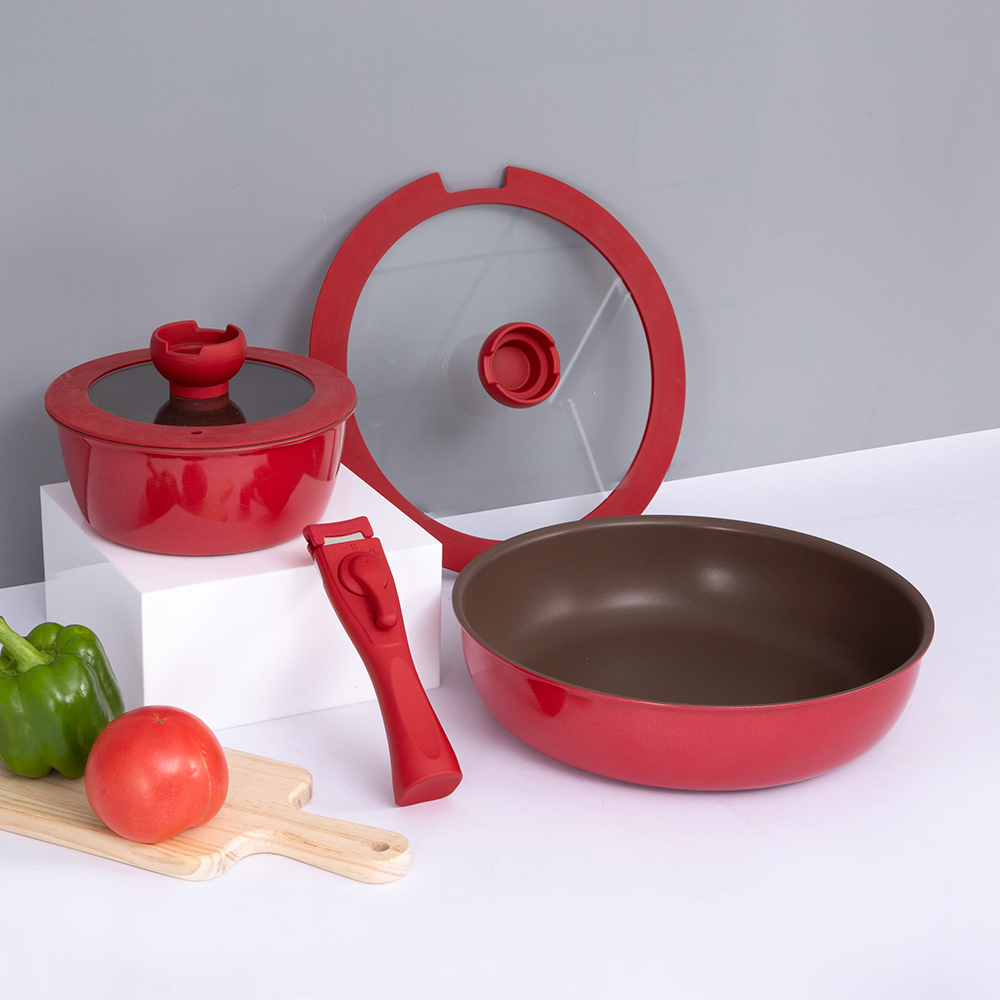
-3.jpg "24X5CM black medicinal stone coating Aluminum frying pan with glass lid DB-2405H")
-5.jpg "28X5.5CM black medicinal stone coating Aluminum frying pan with glass lid DB-2855H")
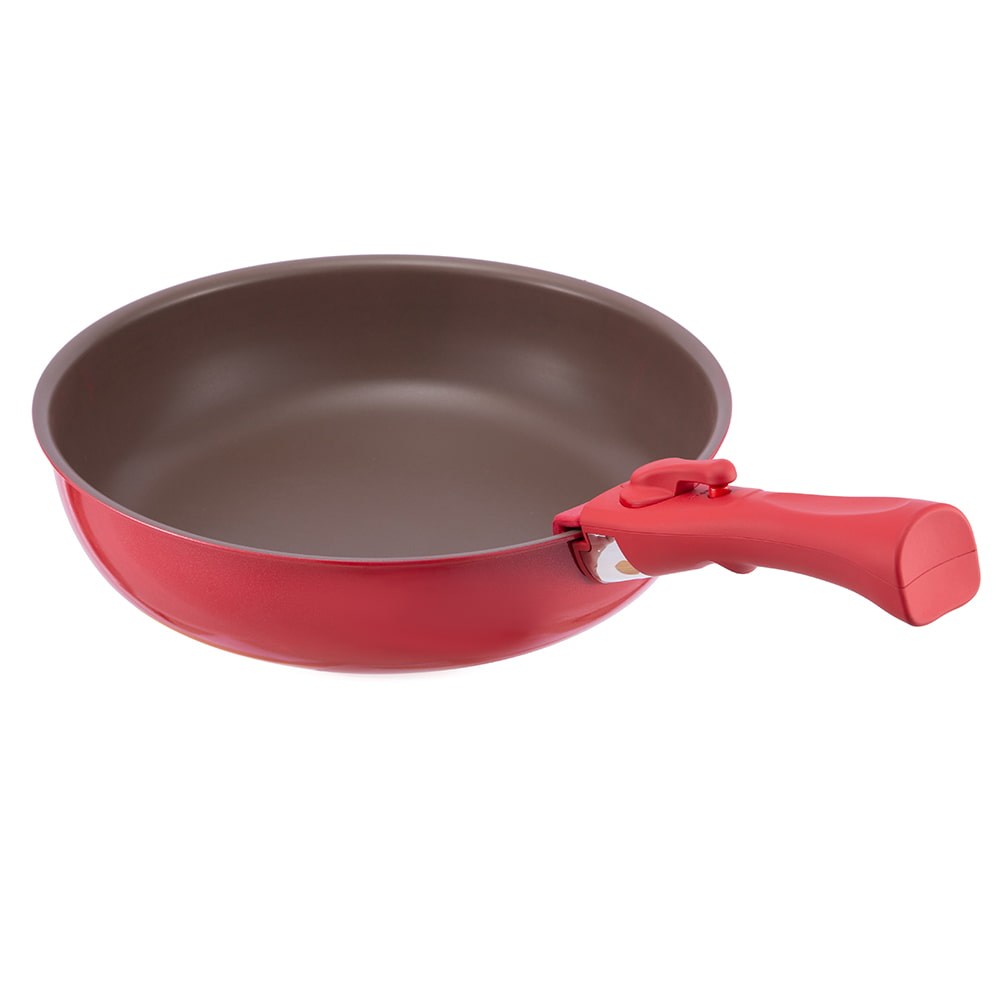
-3.jpg "24X5CM white medicinal stone coating Aluminum frying pan with glass lid DB-2405B")
-9.jpg "20X4.3cm Olive Green Food Safety Coated Stainless Steel 304 Frying Pan JY-2043L")
-3.jpg "20*4.3CM Single long handle uncovered coated frying pan JY-2043NP")
-14.jpg "24X4.5cm Olive Green Food Safety Coated Stainless Steel 304 Frying Pan JY-2445L")