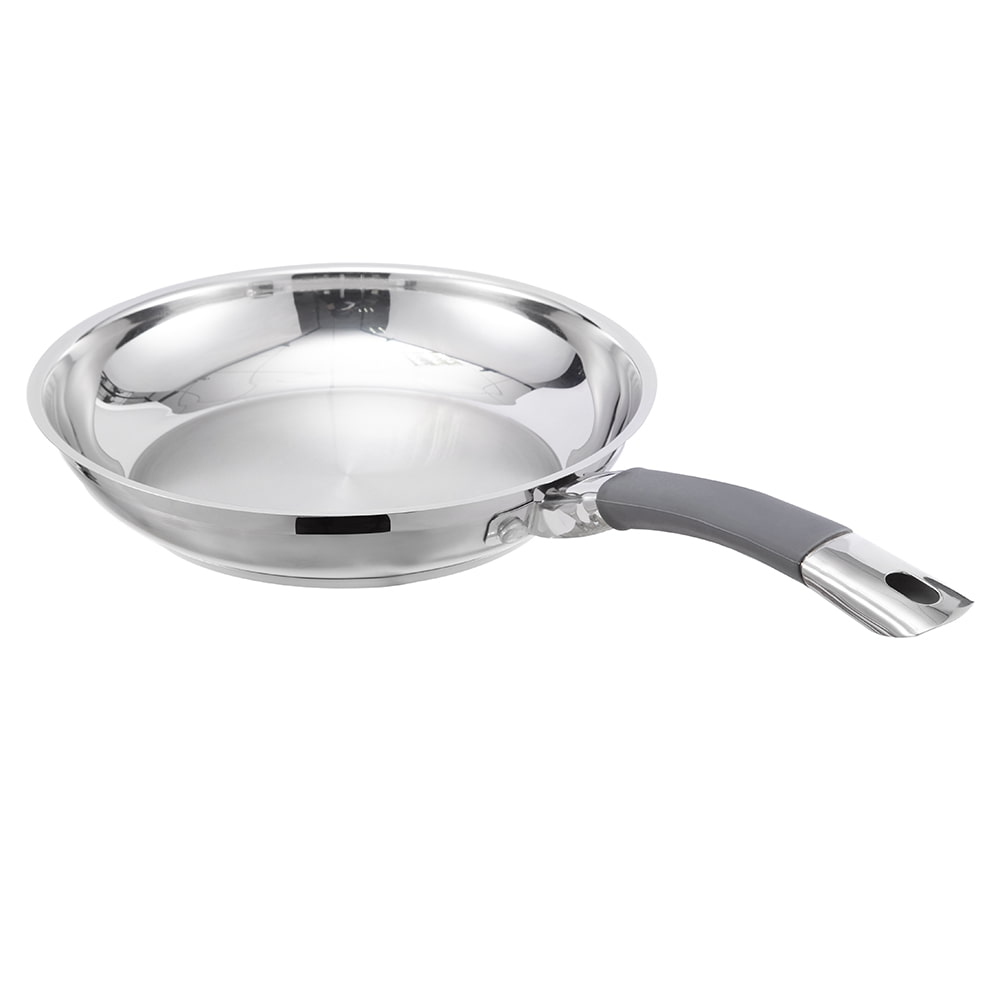
Yes—using a frying pan correctly makes a significant difference in your cooking results. The key is understanding heat control, proper oil usage, and matching your pan to the task. Whether you're searing meat, sautéing vegetables, or making eggs, mastering a few core techniques will elevate every dish you cook.
A frying pan is one of the most versatile tools in any kitchen—but only when used properly. This guide breaks down everything you need to know, from preheating to cleanup.
Preheating is the most skipped yet most important step. Placing food in a cold pan leads to sticking, uneven cooking, and poor texture.
For stainless steel or cast iron pans, preheating on medium to medium-high for 2–3 minutes is standard before adding oil.
Oil serves two purposes: it prevents sticking and conducts heat to your food. But not all oils perform the same way at different temperatures.
| Oil Type | Smoke Point | Best For |
| Extra virgin olive oil | ~375°F (190°C) | Low to medium heat cooking |
| Refined avocado oil | ~520°F (271°C) | High-heat searing |
| Butter | ~302°F (150°C) | Eggs, pancakes, finishing sauces |
| Refined coconut oil | ~450°F (232°C) | Medium to high heat frying |
| Vegetable/canola oil | ~400°F (204°C) | General-purpose frying |
For most tasks, 1–2 teaspoons of oil is enough for a standard 10–12 inch pan. Swirl it to coat the bottom evenly before adding food.
Most cooking mistakes come down to using the wrong heat level. Here's a practical breakdown:
Best for: melting butter, warming sauces, cooking delicate fish, slow-cooking eggs. Low heat gives you control and prevents burning.
Best for: sautéing vegetables, cooking chicken breasts, pan-frying tofu, making pancakes. This is the most commonly used range in everyday cooking.
Best for: searing steaks, stir-frying, getting a crispy crust. High heat caramelizes the surface of food quickly—this is what creates that golden-brown texture. Use for short bursts of 1–3 minutes, then reduce as needed.
Key rule: if food starts smoking or browning too fast, reduce heat immediately. Don't wait for burning to start.
Proper care extends the life of your pan and maintains its cooking performance.
Not always. Non-stick pans can cook low-fat foods like eggs without oil. However, oil improves flavor, heat distribution, and browning for most other foods.
The most common causes are: pan not preheated enough, not enough oil, or flipping too early. Let the food cook undisturbed until it releases naturally.
It depends on the pan. Cast iron and stainless steel are oven-safe up to high temperatures. Non-stick pans are generally safe up to 350–400°F (175–200°C)—check the manufacturer's limit.
A 10–12 inch pan is the most versatile size for everyday cooking—large enough for a full meal for two, but not so large it's hard to maneuver.
Drop a small piece of food or a wooden chopstick into the oil. If it immediately sizzles and bubbles form around it, the oil is ready. If nothing happens, wait 30 more seconds.
Minor surface scratches are generally considered safe, but deep scratches or flaking coating are a sign to replace the pan, as coating particles may enter food.
 No. 1, Jingwei Road, Yangcheng Lake Town, Xiangcheng District, Suzhou City, China
 [email protected]
  +86-13913553688
Copyright © Suzhou Jiayi Stainless Steel Products Co., Ltd.
 Privacy
Wholesale Aluminum/ Stainless Steel Pan and Pot Manufacturers
Privacy
Wholesale Aluminum/ Stainless Steel Pan and Pot Manufacturers

 search
 中文简体
中文简体 English
 русский
 Français
 Español
 日本語
日本語
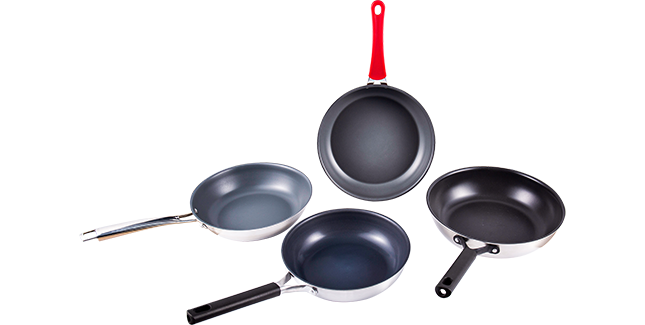
-4.jpg "20X4.5CM white medicinal stone coating Aluminum frying pan DB-2045B")
-1.jpg "20X4.5CM black medicinal stone coating Aluminum frying pan DB-2045H")
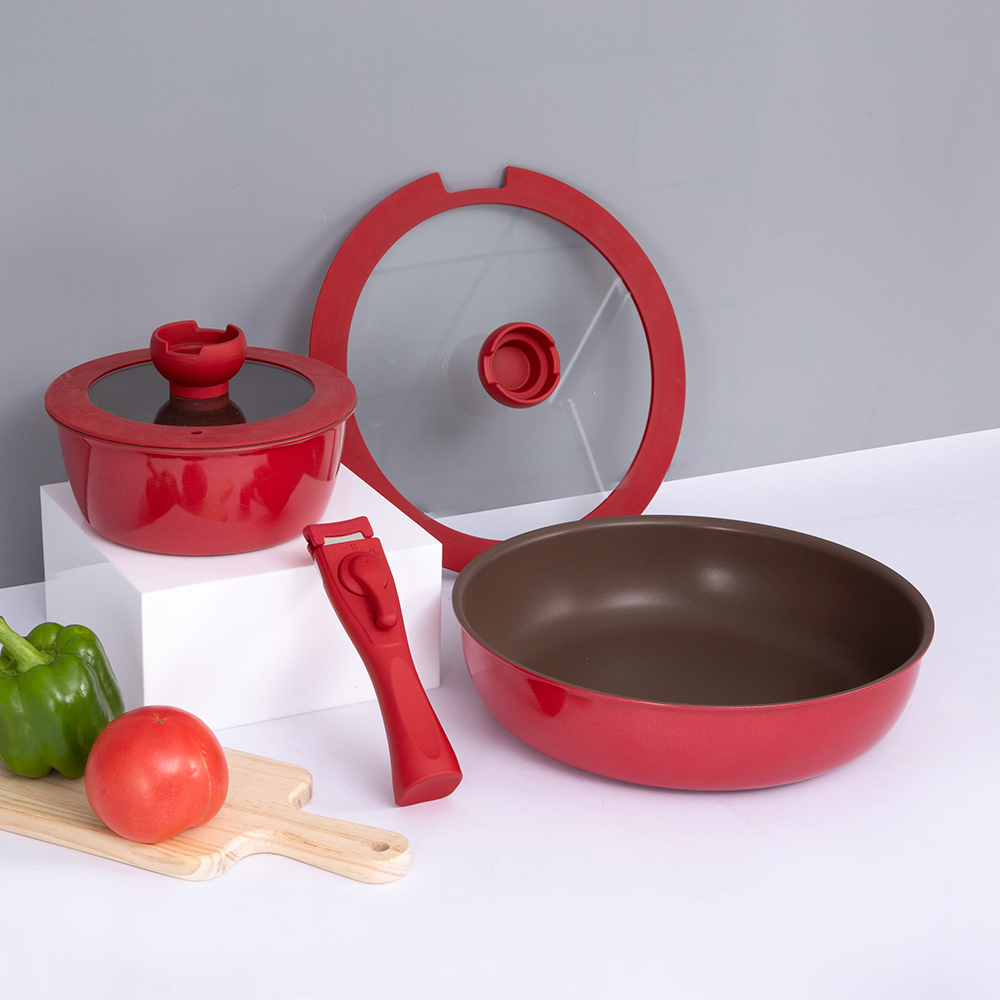
-3.jpg "24X5CM black medicinal stone coating Aluminum frying pan with glass lid DB-2405H")
-5.jpg "28X5.5CM black medicinal stone coating Aluminum frying pan with glass lid DB-2855H")
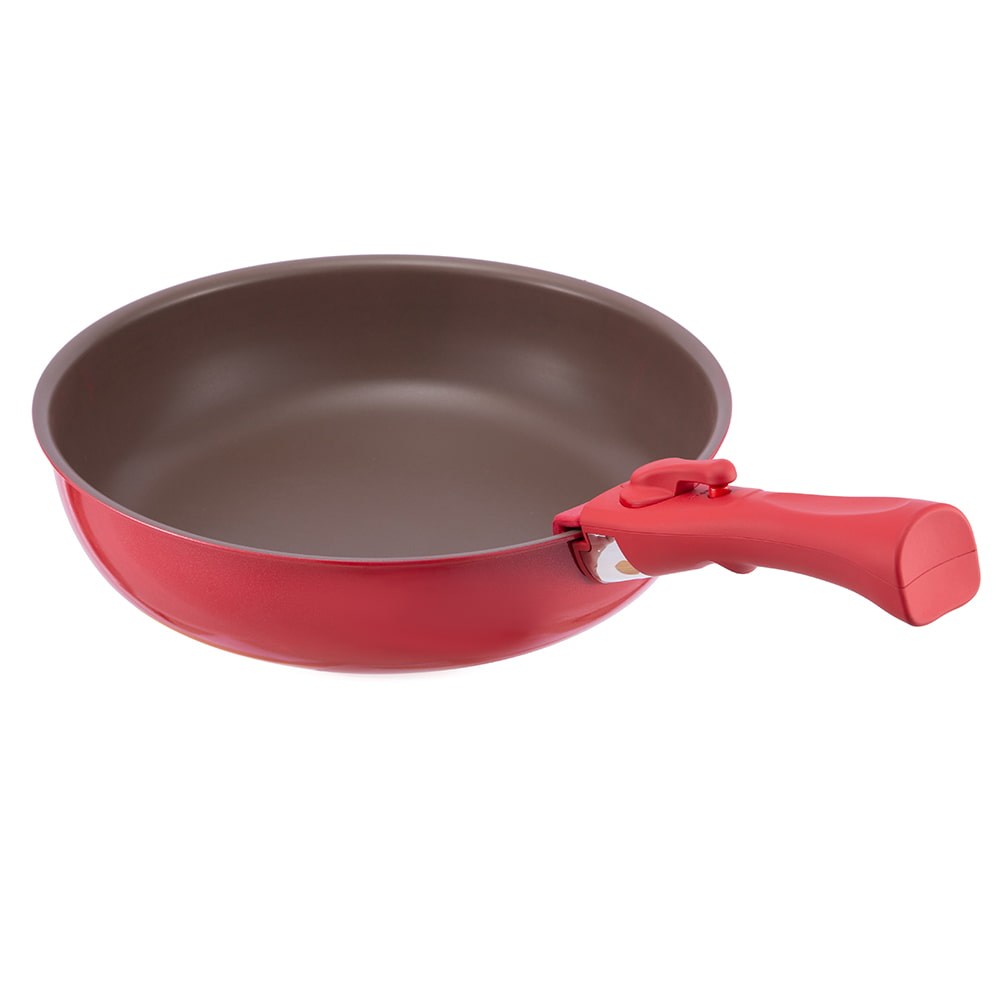
-3.jpg "24X5CM white medicinal stone coating Aluminum frying pan with glass lid DB-2405B")
-9.jpg "20X4.3cm Olive Green Food Safety Coated Stainless Steel 304 Frying Pan JY-2043L")
-3.jpg "20*4.3CM Single long handle uncovered coated frying pan JY-2043NP")
-14.jpg "24X4.5cm Olive Green Food Safety Coated Stainless Steel 304 Frying Pan JY-2445L")