The short answer: stay away from frying pans with damaged non-stick coatings, those made with PFOA-based materials, poorly coated aluminum pans, and any pan showing signs of flaking, warping, or rust. These can leach harmful substances into your food or create unsafe cooking conditions. Below is a detailed breakdown of exactly which types to avoid and why.
A non-stick surface that is scratched, peeling, or flaking is one of the most common kitchen hazards people overlook. Once the coating breaks down, microscopic particles can mix directly into your food. While modern non-stick coatings (PTFE-based) are considered chemically inert when intact, degraded coating particles are not something you want in a meal.
Signs your non-stick pan needs to be replaced:
As a general rule, replace non-stick pans every 3–5 years, or sooner if the surface shows any physical damage.
PFOA was historically used in the manufacturing process of non-stick coatings. It has been linked to a range of health concerns including thyroid disorders, kidney disease, and increased cancer risk according to studies from the U.S. Environmental Protection Agency (EPA). Although PFOA was phased out of production in most countries by 2013, older pans manufactured before that date may still contain residual traces.
If you have a non-stick frying pan that is more than 10 years old and you are unsure of its manufacturing origin, it is safer to stop using it and switch to a verified PFOA-free alternative.
Uncoated, bare aluminum pans are reactive metals. When exposed to acidic foods—such as tomatoes, citrus, vinegar-based sauces, or wine—aluminum can leach into the food. Studies suggest that high aluminum intake may be associated with neurological concerns, though cooking-related exposure is generally considered low-level.
The risk is higher when:
Anodized aluminum, by contrast, has a hardened surface layer that is much less reactive and is generally considered safe.
Even a perfectly intact non-stick pan becomes dangerous if subjected to very high heat. PTFE coatings begin to degrade at temperatures above 260°C (500°F), and at temperatures above 300°C (570°F) they can release toxic fumes. These fumes have been documented to cause "polymer fume fever" in humans (flu-like symptoms) and are lethal to pet birds due to their highly sensitive respiratory systems.
Situations that can lead to dangerous overheating:
For high-heat cooking methods, switch to cast iron or stainless steel instead.
Cast iron and carbon steel are durable and generally safe materials. However, if they develop significant rust and are not properly maintained, rust can transfer to food. While consuming small amounts of iron oxide is not considered acutely toxic, heavy rust contamination can affect food flavor and, over time, digestive health.
A lightly rusted cast iron pan can typically be restored through re-seasoning. But if the rust is deep, widespread, and the metal surface is pitted throughout, replacement is the safer and more practical option.
Warping is not just a cooking inconvenience—it is a safety issue. A warped pan sits unevenly on the burner, which means it can slide or tip during cooking. This increases the risk of hot oil spills and burns. Warping typically occurs when a pan is subjected to rapid and extreme temperature changes (thermal shock), such as placing a very hot pan directly into cold water.
Thin, low-quality pans are especially prone to warping. If your pan rocks noticeably on a flat surface, it should be replaced.
Handle integrity is critical for safe cooking. Loose rivets, cracked plastic handles, or handles that show signs of heat damage are direct safety hazards. A pan that drops while you are carrying it with hot oil or food is one of the leading causes of kitchen burns.
Inspect your pan handles regularly for:
| Pan Type to Avoid | Main Risk | Safer Alternative |
| Flaking non-stick pan | Coating particles in food | New PFOA-free non-stick |
| Old PFOA-based pan | Chemical exposure risk | Certified PFOA-free cookware |
| Uncoated bare aluminum | Metal leaching into acidic foods | Anodized aluminum or stainless steel |
| Overheated non-stick pan | Toxic fume release above 260°C | Cast iron or stainless steel |
| Warped pan | Tipping, uneven heat, spill hazard | Thick-base flat-bottomed pan |
| Pan with loose handle | Drop risk causing burns | Pan with riveted steel handle |
Even minor scratches accelerate coating degradation. If the scratch exposes the base metal, it is best to replace the pan to avoid ingesting coating particles.
Check the manufacturing date. Pans made before 2013 may have been produced using PFOA. Look for "PFOA-free" labeling on newer pans as confirmation.
Yes, light surface rust can usually be scrubbed off and the pan re-seasoned. Deep pitting rust throughout the cooking surface means the pan is beyond safe restoration.
Cast iron, stainless steel, and well-maintained PFOA-free non-stick pans are among the safest options for everyday cooking. Each suits different cooking styles and heat requirements.
Every 3–5 years under normal use, or sooner if you notice flaking, scratching, or persistent food sticking despite proper care.
 No. 1, Jingwei Road, Yangcheng Lake Town, Xiangcheng District, Suzhou City, China
 [email protected]
  +86-13913553688
Copyright © Suzhou Jiayi Stainless Steel Products Co., Ltd.
 Privacy
Wholesale Aluminum/ Stainless Steel Pan and Pot Manufacturers
Privacy
Wholesale Aluminum/ Stainless Steel Pan and Pot Manufacturers

 search
 中文简体
中文简体 English
 русский
 Français
 Español
 日本語
日本語
-4.jpg "20X4.5CM white medicinal stone coating Aluminum frying pan DB-2045B")
-1.jpg "20X4.5CM black medicinal stone coating Aluminum frying pan DB-2045H")
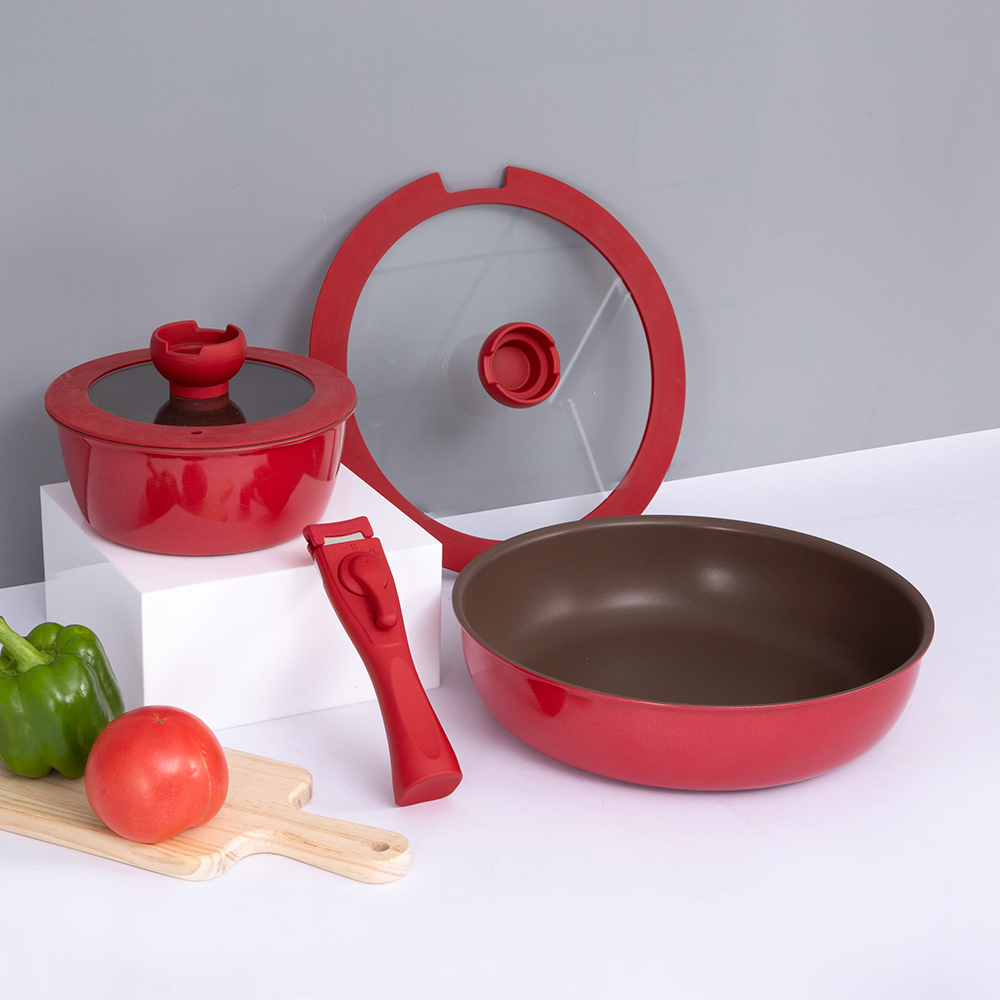
-3.jpg "24X5CM black medicinal stone coating Aluminum frying pan with glass lid DB-2405H")
-5.jpg "28X5.5CM black medicinal stone coating Aluminum frying pan with glass lid DB-2855H")
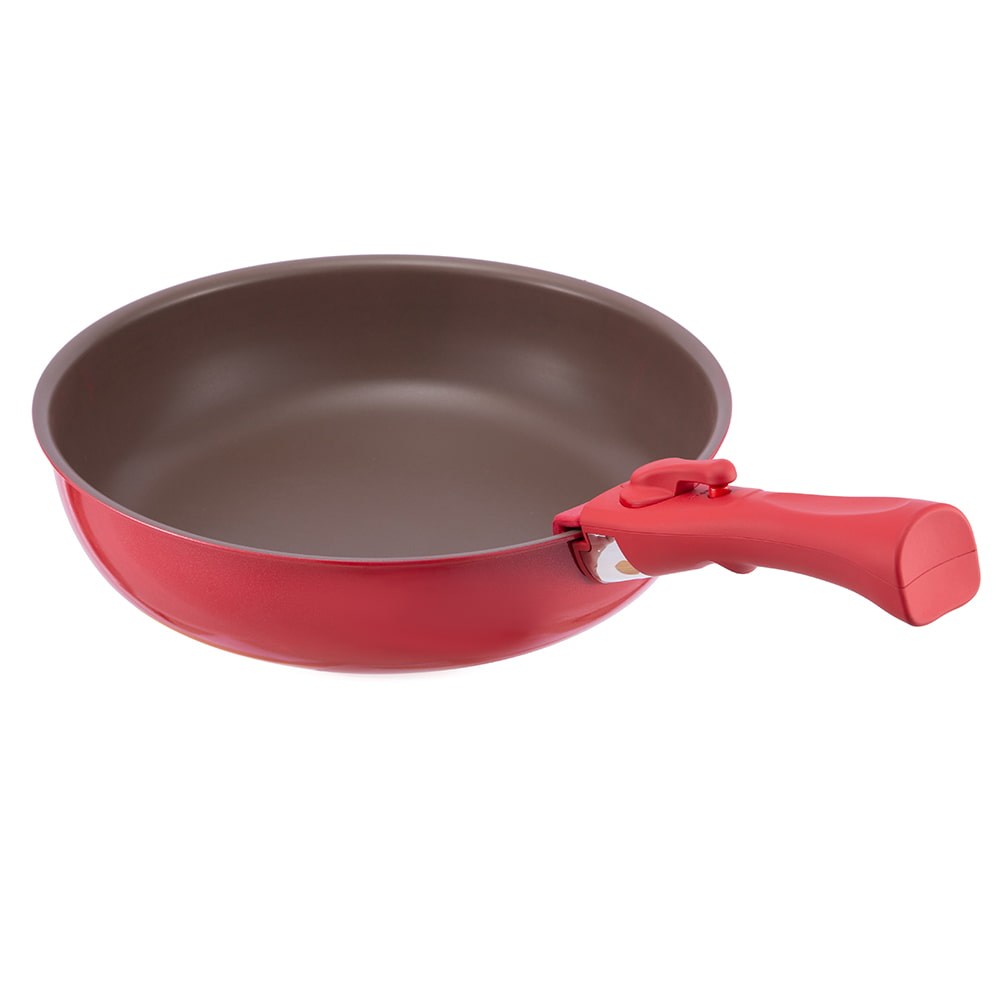
-3.jpg "24X5CM white medicinal stone coating Aluminum frying pan with glass lid DB-2405B")
-9.jpg "20X4.3cm Olive Green Food Safety Coated Stainless Steel 304 Frying Pan JY-2043L")
-3.jpg "20*4.3CM Single long handle uncovered coated frying pan JY-2043NP")
-14.jpg "24X4.5cm Olive Green Food Safety Coated Stainless Steel 304 Frying Pan JY-2445L")