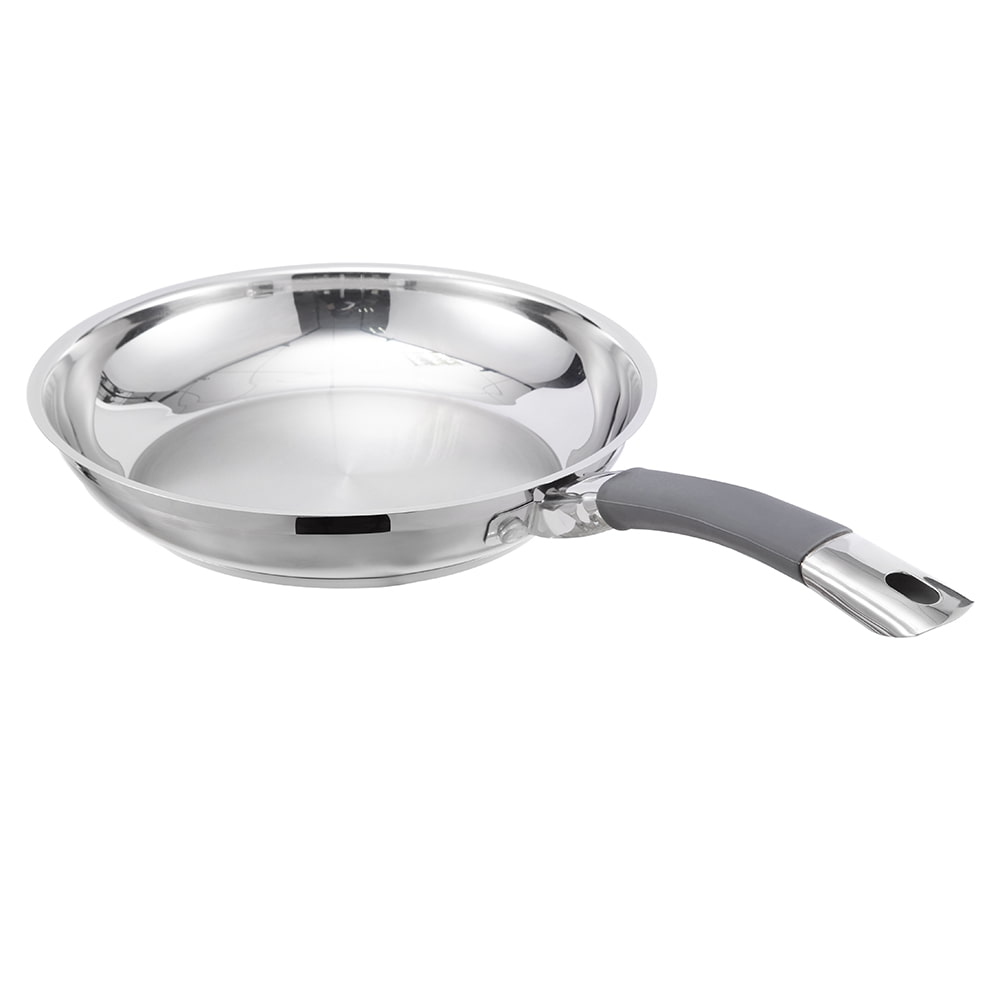
The short answer: a skillet and a frying pan are essentially the same thing. Both refer to a shallow, flat-bottomed pan with flared sides used for frying, searing, and sautéing. The terms are used interchangeably in most kitchens. However, subtle differences in shape, depth, and common usage do exist — and knowing them helps you make smarter choices when cooking or shopping.
A frying pan is a broad, flat cooking vessel with low, slightly flared sides — typically 1 to 2 inches deep. The flared sides make it easy to flip foods, slide a spatula under ingredients, and allow steam to escape quickly. This design promotes browning and crisping rather than steaming or braising.
Common uses for a frying pan include:
Frying pans are most commonly made from non-stick coated aluminum, stainless steel, or carbon steel, making them lightweight and easy to handle.
A skillet shares the same basic shape as a frying pan but is often associated with heavier materials like cast iron. The term "skillet" is more commonly used in American English, while "frying pan" is the preferred term in British and Australian English. Functionally, there is no meaningful difference.
That said, when people say "skillet," they often imply a pan that:
The table below highlights the practical differences often associated with each term:
| Feature | Frying Pan | Skillet |
| Common Material | Non-stick aluminum, stainless steel | Cast iron, carbon steel |
| Weight | Lightweight (typically 1–2 lbs) | Heavier (cast iron: 4–8 lbs) |
| Heat Retention | Moderate | Excellent |
| Oven Safe | Sometimes (check handle) | Usually yes (up to 500°F+) |
| Non-stick Surface | Coated (requires replacement) | Seasoned (improves over time) |
| Best For | Everyday quick cooking | High-heat searing, oven finishing |
| Maintenance | Easy, often dishwasher safe | Requires seasoning and hand washing |
A frying pan is the right choice for fast, everyday cooking tasks where convenience and light weight matter. If you're cooking breakfast items, reheating leftovers, or making a quick stir-fry, a non-stick frying pan will serve you well.
A standard 10-inch or 12-inch frying pan covers the majority of everyday cooking needs for 2 to 4 people.
A skillet — particularly a cast iron one — excels in situations requiring sustained, high, even heat. Because cast iron holds heat exceptionally well, it's ideal for cooking techniques where temperature consistency is critical.
The material of your pan — not just its name — determines how it performs. Here's a quick breakdown:
Lightweight and easy to clean. Best for low-to-medium heat cooking. Non-stick coatings typically last 3 to 5 years with proper care. Avoid metal utensils and high-heat use, which degrade the coating faster.
Durable and non-reactive with acidic foods. Excellent for building fond and making pan sauces. Requires proper preheating and sufficient oil to prevent sticking. A tri-ply (3-layer) stainless pan with an aluminum core distributes heat much more evenly than single-ply versions.
Exceptional heat retention and oven compatibility up to 500°F or higher. Develops a natural non-stick patina with seasoning over time. Heavy — a 12-inch cast iron skillet typically weighs around 5 to 7 lbs. Requires regular seasoning and should not be soaked in water.
A lighter alternative to cast iron (about 30–50% lighter) with similar seasoning properties. Popular in professional kitchens. Heats up faster than cast iron but doesn't retain heat quite as long.
Pan size directly affects cooking results. Overcrowding a pan causes steaming instead of browning.
If you can only own one pan, a 12-inch multi-material frying pan (stainless or well-seasoned cast iron) covers the widest range of tasks.
For most home cooks, owning two pans covers virtually all cooking scenarios:
Together, these two tools handle everything from a Sunday morning omelet to a restaurant-quality pan-seared steak. The investment is worthwhile — a well-maintained cast iron skillet can last decades or even a lifetime with proper care.
Yes, in most contexts they are interchangeable. "Skillet" tends to suggest cast iron and heavier use, while "frying pan" is often associated with lighter non-stick versions — but there is no strict technical distinction.
Yes, but a stainless steel or cast iron pan will produce better sear results. Non-stick frying pans are not recommended for high-heat searing as it degrades the coating and limits browning.
A 12-inch pan is the most versatile for households cooking for 2 or more people. A 10-inch is better for smaller portions or single servings.
It depends on the handle material. Fully metal pans (stainless steel, cast iron) are oven-safe. Pans with plastic or silicone handles have temperature limits, typically around 350–400°F. Always check the manufacturer's specifications.
With proper care, a non-stick frying pan typically lasts 3 to 5 years before the coating begins to degrade. Avoid metal utensils and high heat to extend its lifespan.
Neither is universally better — they serve different purposes. Cast iron excels at high-heat searing and oven cooking; non-stick frying pans are better for delicate, low-fat cooking like eggs and fish.
 No. 1, Jingwei Road, Yangcheng Lake Town, Xiangcheng District, Suzhou City, China
 [email protected]
  +86-13913553688
Copyright © Suzhou Jiayi Stainless Steel Products Co., Ltd.
 Privacy
Wholesale Aluminum/ Stainless Steel Pan and Pot Manufacturers
Privacy
Wholesale Aluminum/ Stainless Steel Pan and Pot Manufacturers

 search
 中文简体
中文简体 English
 русский
 Français
 Español
 日本語
日本語
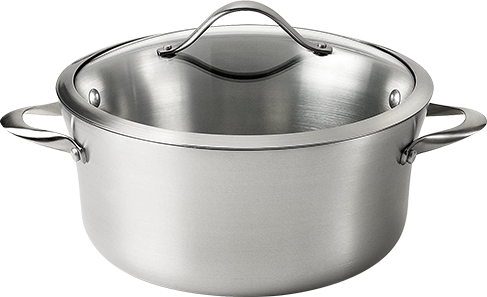
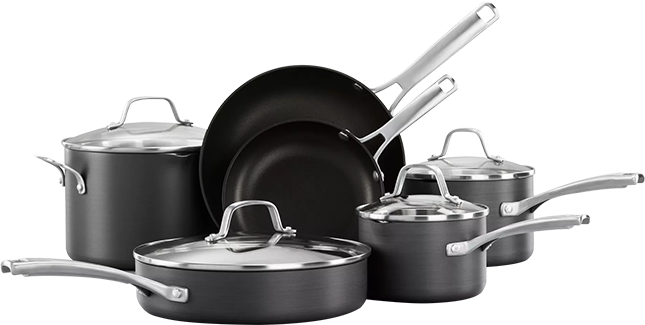
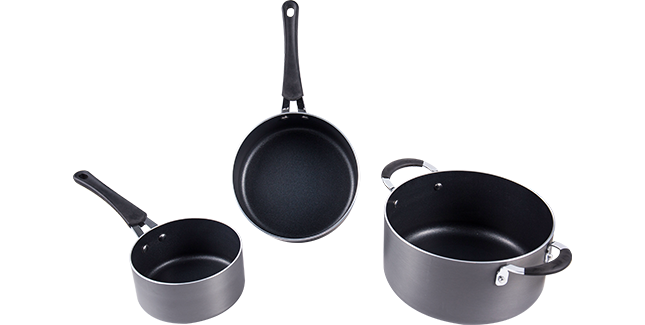
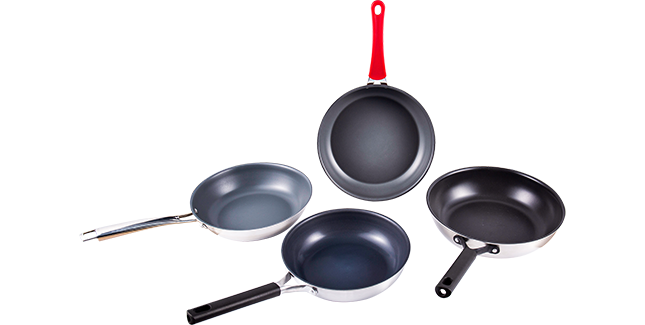
-4.jpg "20X4.5CM white medicinal stone coating Aluminum frying pan DB-2045B")
-1.jpg "20X4.5CM black medicinal stone coating Aluminum frying pan DB-2045H")
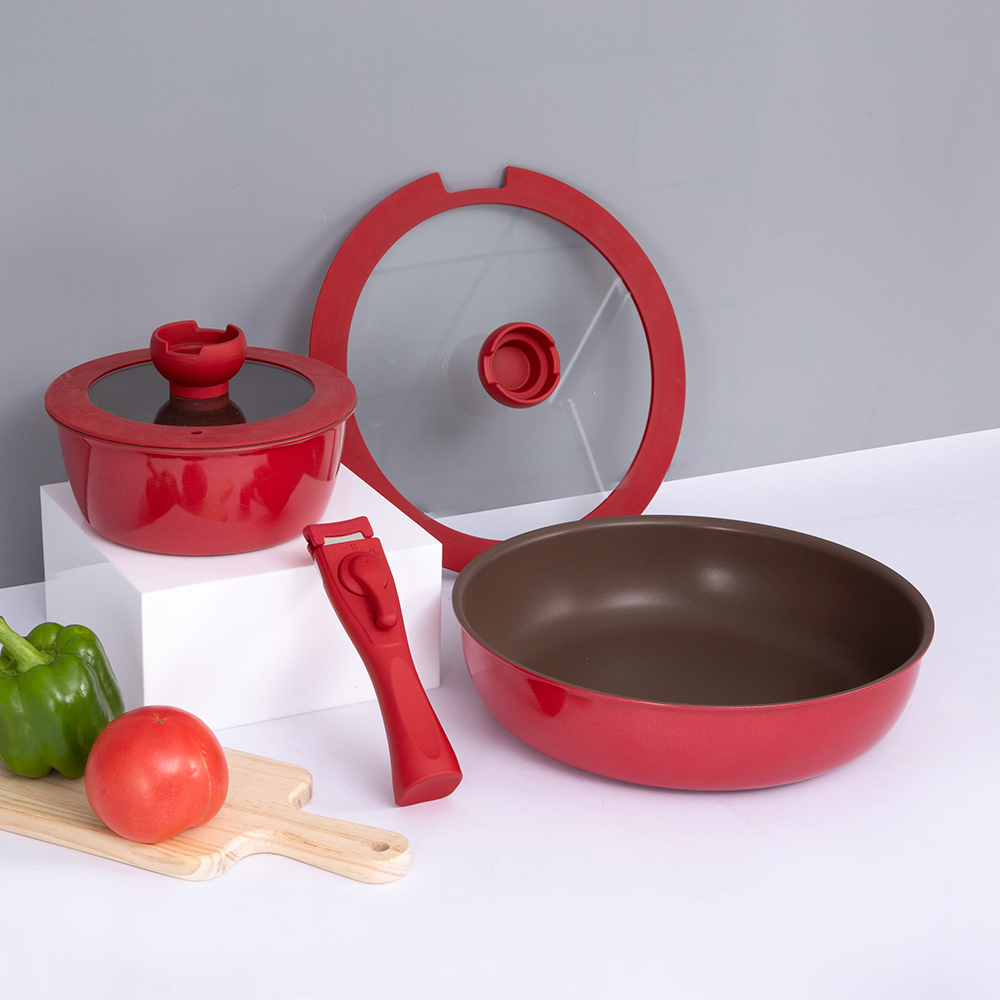
-3.jpg "24X5CM black medicinal stone coating Aluminum frying pan with glass lid DB-2405H")
-5.jpg "28X5.5CM black medicinal stone coating Aluminum frying pan with glass lid DB-2855H")
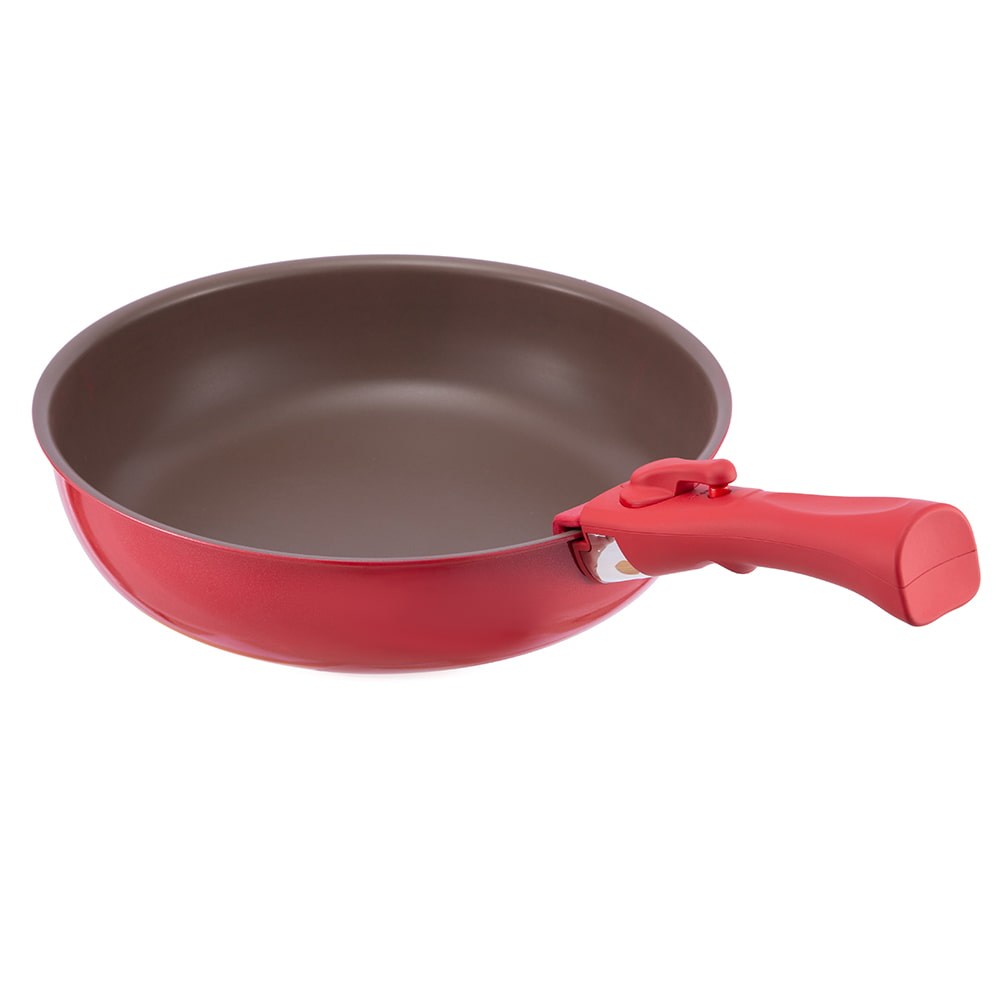
-3.jpg "24X5CM white medicinal stone coating Aluminum frying pan with glass lid DB-2405B")
-9.jpg "20X4.3cm Olive Green Food Safety Coated Stainless Steel 304 Frying Pan JY-2043L")
-3.jpg "20*4.3CM Single long handle uncovered coated frying pan JY-2043NP")
-14.jpg "24X4.5cm Olive Green Food Safety Coated Stainless Steel 304 Frying Pan JY-2445L")