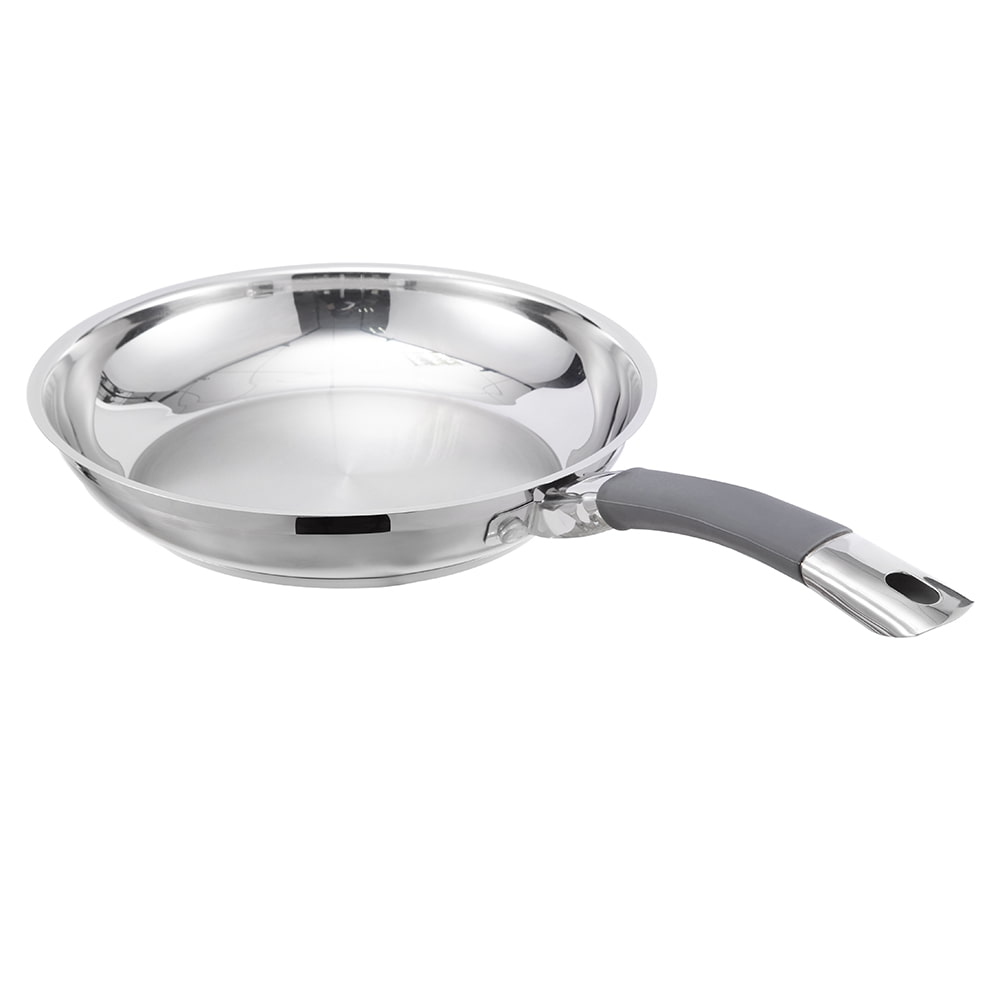
There is no single "best" material — the right frying pan depends on what and how you cook. Ceramic coatings excel for low-fat, low-heat cooking; stainless steel handles high-heat searing; cast iron retains heat better than almost anything; and carbon steel balances both worlds. Understanding each material's strengths lets you make a confident, practical choice.
If you want a quick reference, here's how the main materials compare at a glance:
| Material | Heat Retention | Non-Stick | Durability | Best For |
| Ceramic | Medium | Excellent (initially) | Moderate | Eggs, fish, light sautéing |
| Stainless Steel | Medium–High | None | Very High | Searing, browning, sauces |
| Cast Iron | Excellent | Good (when seasoned) | Extremely High | Steaks, roasting, baking |
| Carbon Steel | High | Good (when seasoned) | High | Stir-fry, crepes, versatile use |
| Hard-Anodized Aluminum | Medium | Good (coated) | High | Everyday cooking |
| Copper | Low (fast response) | None (unlined) | Moderate | Delicate sauces, precision cooking |
Ceramic-coated pans feature a silica-based coating applied over an aluminum base, making them free from PTFE (commonly known as synthetic polymer coating) and PFOA. This appeals strongly to health-conscious cooks.
Best practice: Use silicone or wooden utensils, hand-wash only, and keep heat at medium or below to extend the coating's life.
Stainless steel is a staple in professional kitchens for good reason. It is non-reactive, highly durable, and capable of achieving a deep, caramelized sear that coated pans simply cannot replicate.
The best stainless pans feature a multi-ply or clad construction — for example, a 3-ply pan sandwiches an aluminum core between two stainless steel layers. This combines stainless steel's durability with aluminum's excellent heat distribution. A 5-ply construction adds more layers for even more consistent heating.
Sticking on stainless steel is almost always a result of improper preheating or insufficient oil. The fix is simple:
Stainless steel is also fully dishwasher-safe, oven-safe at high temperatures (often above 500°F / 260°C), and compatible with induction cooktops.
Cast iron is one of the oldest cooking materials in existence, and it remains highly relevant. A well-maintained cast iron frying pan can last for generations — it's not uncommon to find 50- or 100-year-old cast iron pans still in daily use.
Cast iron heats slowly but holds temperature extremely well. Once at temperature, it distributes heat evenly and maintains it even when cold food is added — a key advantage for searing steaks, baking cornbread, or frying chicken. It transitions seamlessly from stovetop to oven up to temperatures exceeding 500°F (260°C).
Seasoning refers to layers of polymerized oil baked into the surface. Over time and with proper care, these layers create a naturally non-stick surface. To maintain seasoning:
Weight is the main trade-off: A standard 10-inch (25 cm) cast iron pan typically weighs around 5–6 pounds (2.3–2.7 kg), which can be a challenge for some users.
Carbon steel is the preferred material in many French and Asian professional kitchens. It is made from approximately 98–99% iron and 1–2% carbon, making it lighter and more responsive than cast iron while still offering excellent heat retention and durability.
Like cast iron, carbon steel requires seasoning and is reactive with acidic foods (tomatoes, citrus, wine). It should not be left wet, as it can rust relatively quickly.
Hard-anodized aluminum is regular aluminum that has been electrochemically treated to create a harder, non-reactive surface layer. The resulting material is roughly 30% harder than stainless steel, according to common material hardness benchmarks.
Most hard-anodized pans also feature an additional non-stick coating on the interior surface. This combination results in:
Hard-anodized pans are a solid all-round choice for home cooks who want versatility without the maintenance requirements of cast iron or carbon steel.
Copper conducts heat approximately 5 times more efficiently than stainless steel and responds to temperature changes almost instantly. This makes it the material of choice for delicate preparations like custards, sugar work, and reductions where precise temperature control is critical.
However, copper comes with significant trade-offs:
For most home cooks, copper is a specialty investment rather than an everyday necessity.
Consider these practical questions before buying:
Ceramic coatings are free from PTFE and PFOA, which some users prefer to avoid. However, all modern non-stick coatings, including PTFE-based ones, are considered safe when used at appropriate temperatures. The key with any coated pan is to avoid overheating.
Yes, but technique matters. Preheat the pan properly, use enough butter or oil, and cook at medium-low heat. Once the egg sets and releases naturally, it will slide freely.
With careful use, a ceramic pan typically lasts 1–3 years before the coating noticeably degrades. Avoiding high heat, metal utensils, and the dishwasher will extend its lifespan.
Yes. Cast iron is magnetic and works well on induction. However, its rough base can sometimes scratch glass-top induction surfaces, so sliding the pan should be avoided.
Both require seasoning and behave similarly. Carbon steel is lighter (typically 1–2 lbs lighter for the same size), heats and cools faster, and is preferred for high-heat quick cooking. Cast iron is heavier, retains heat longer, and is better for slow, even cooking and baking.
Cast iron and carbon steel are the most durable — both can last a lifetime or longer with proper care. Stainless steel is also highly durable. Coated pans (ceramic, hard-anodized) have a finite coating lifespan and will eventually need replacing.
 No. 1, Jingwei Road, Yangcheng Lake Town, Xiangcheng District, Suzhou City, China
 [email protected]
  +86-13913553688
Copyright © Suzhou Jiayi Stainless Steel Products Co., Ltd.
 Privacy
Wholesale Aluminum/ Stainless Steel Pan and Pot Manufacturers
Privacy
Wholesale Aluminum/ Stainless Steel Pan and Pot Manufacturers

 search
 中文简体
中文简体 English
 русский
 Français
 Español
 日本語
日本語
-4.jpg "20X4.5CM white medicinal stone coating Aluminum frying pan DB-2045B")
-1.jpg "20X4.5CM black medicinal stone coating Aluminum frying pan DB-2045H")
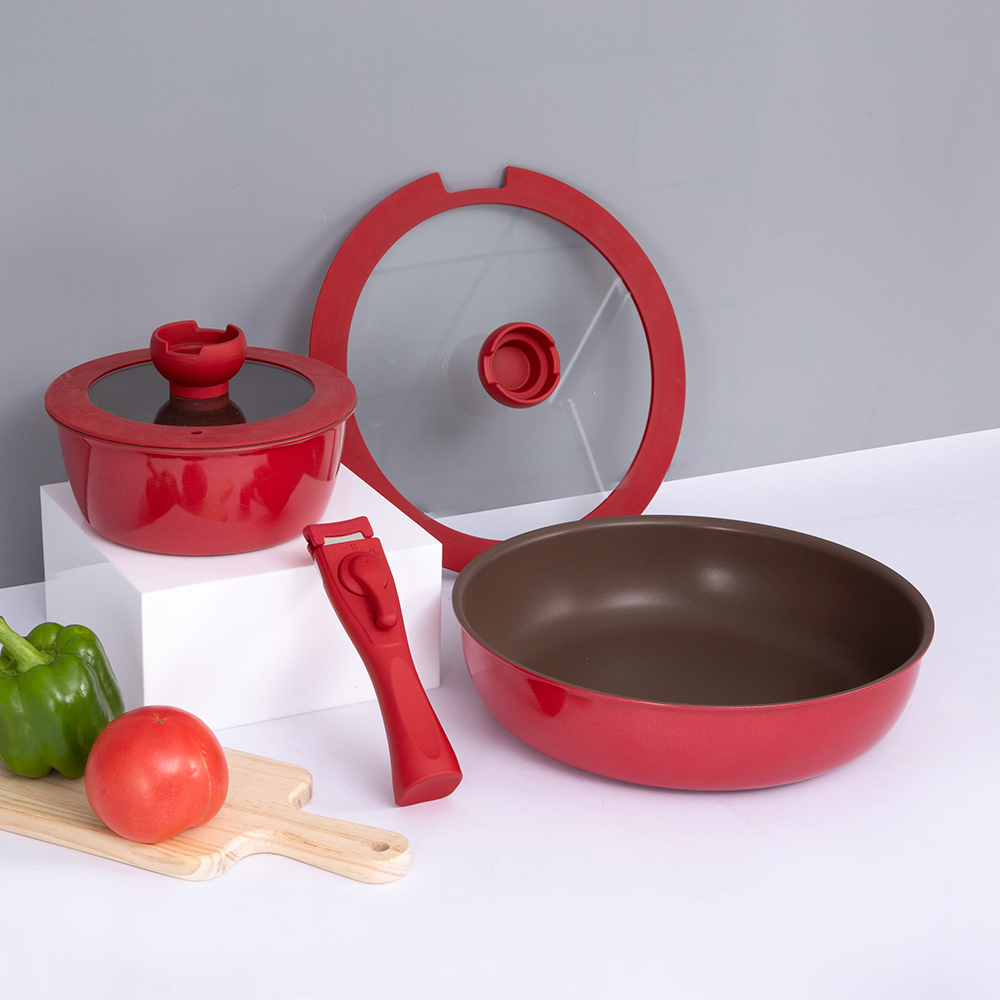
-3.jpg "24X5CM black medicinal stone coating Aluminum frying pan with glass lid DB-2405H")
-5.jpg "28X5.5CM black medicinal stone coating Aluminum frying pan with glass lid DB-2855H")
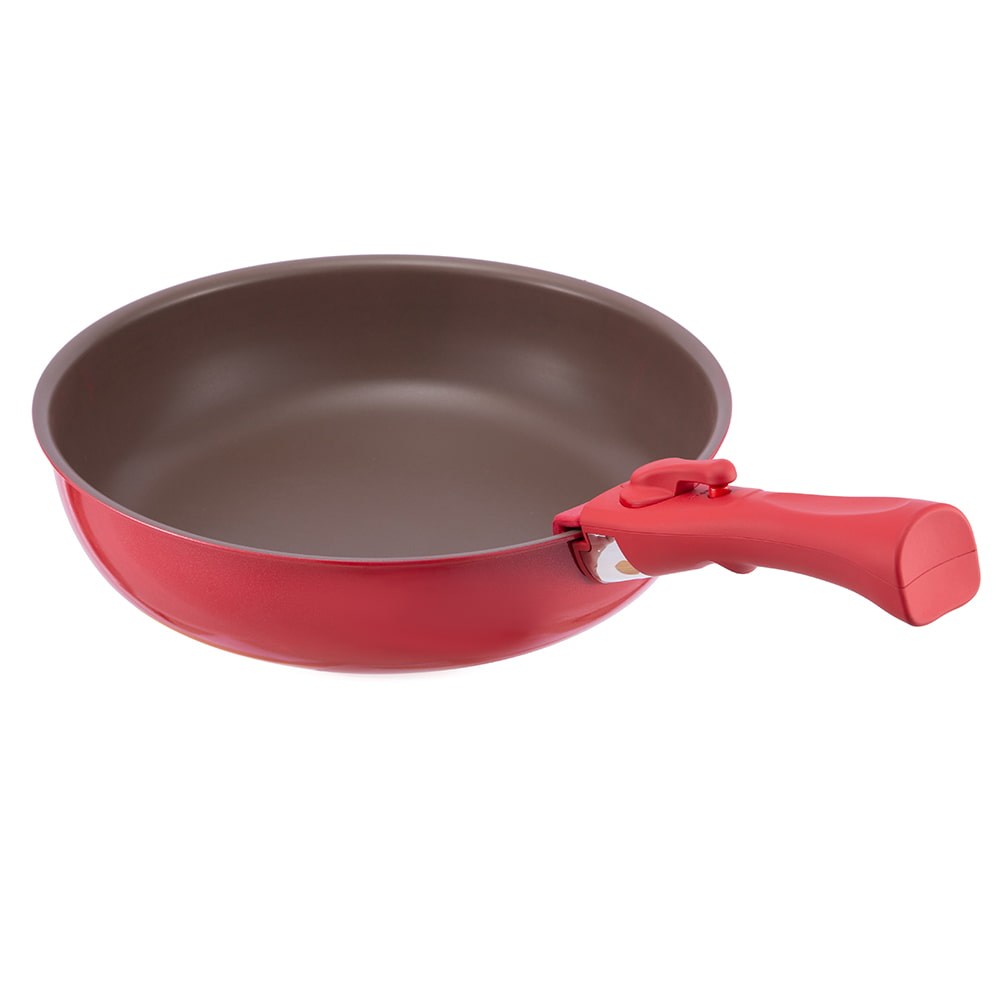
-3.jpg "24X5CM white medicinal stone coating Aluminum frying pan with glass lid DB-2405B")
-9.jpg "20X4.3cm Olive Green Food Safety Coated Stainless Steel 304 Frying Pan JY-2043L")
-3.jpg "20*4.3CM Single long handle uncovered coated frying pan JY-2043NP")
-14.jpg "24X4.5cm Olive Green Food Safety Coated Stainless Steel 304 Frying Pan JY-2445L")