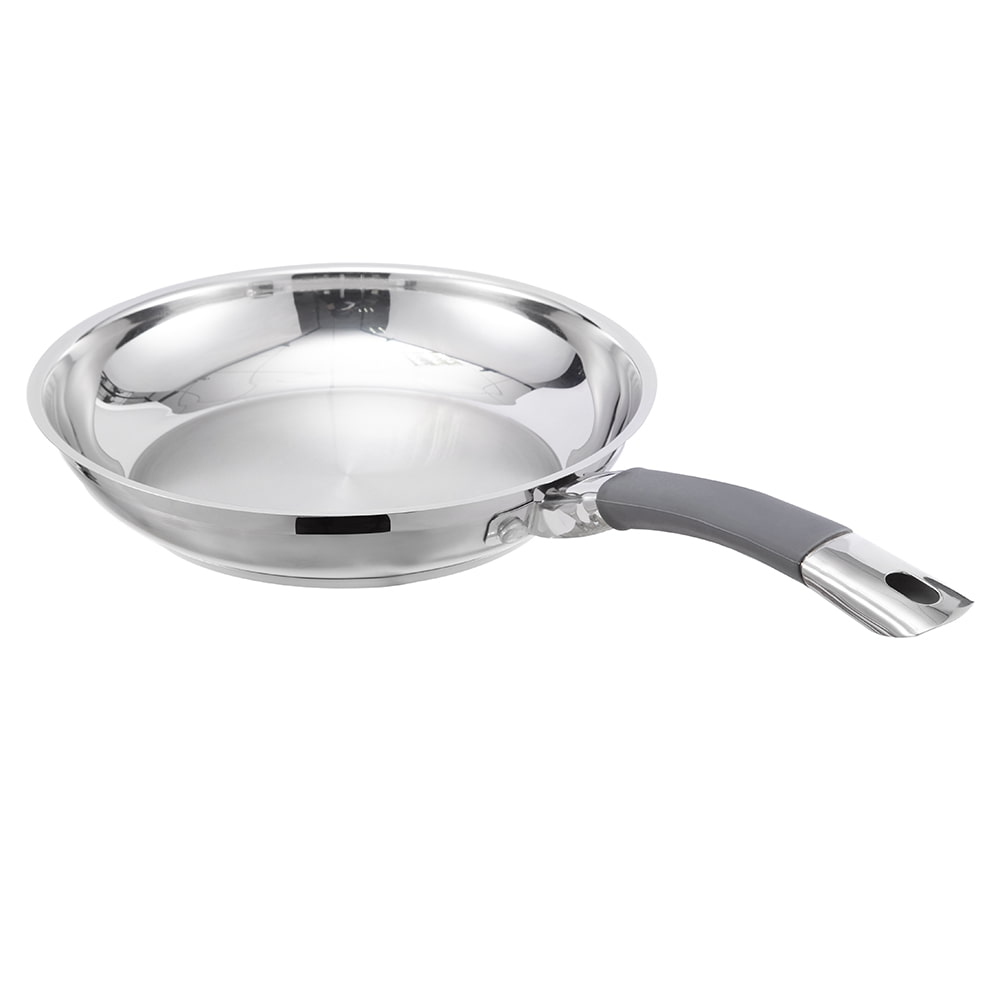
Plasma-treated cookware represents an advanced category of kitchenware engineered through cutting-edge surface modification technology, designed to deliver enhanced non-stick performance, durability, and safety for daily cooking. Unlike conventional cookware that relies on coated or layered applications, Plasma treated cookware uses ionized gas plasma to alter the molecular structure of the cookware’s base material, creating a permanent, integrated non-stick surface without the need for thick external coatings.
The production process of plasma-treated cookware is precise and controlled, taking place in specialized vacuum chambers where high-energy plasma particles interact with the metal surface of pots, pans, and other cooking vessels. This interaction etches microscopically fine patterns into the material and bonds non-stick properties directly to the base, resulting in a surface that is fused with the cookware itself rather than applied on top. This fundamental difference in manufacturing sets it apart from all traditional non-stick cookware options on the market.
Every piece of plasma-treated cookware undergoes rigorous quality testing during production to ensure uniform plasma application across the entire cooking surface. The process is free of harsh chemicals and excessive additives, aligning with modern consumer demands for safer, more sustainable kitchen products. The technology is compatible with a wide range of cookware materials, including aluminum, stainless steel, and hard-anodized metals, making it versatile for various cookware designs and uses.
Traditional non-stick cookware has been a household staple for decades, most commonly recognized for its smooth, slippery surface that prevents food from sticking during cooking. The vast majority of traditional non-stick pans feature a liquid coating applied to the metal base, which is then cured at high temperatures to create a non-stick layer. The most widely used coating material in traditional options is a synthetic polymer that forms a protective barrier between food and the cookware’s metal surface.
One of the most notable limitations of traditional non-stick cookware is coating degradation. With regular use, the applied layer begins to wear away, leading to reduced non-stick efficiency, uneven cooking, and potential flaking. Once the coating is damaged, the cookware loses its primary function and must be replaced, contributing to waste and additional household expenses over time.
Traditional non-stick pans also have restrictions regarding cooking tools and heat levels. Metal utensils are strongly discouraged, as they can scratch and peel the coating, and high-heat cooking may cause the coating to break down more rapidly. These limitations impact the overall convenience and longevity that consumers can expect from their everyday cookware.
The divergence between plasma-treated cookware and traditional non-stick cookware starts at the molecular level, impacting every aspect of performance, durability, and safety. This section breaks down the critical scientific and structural differences that define these two categories of non-stick kitchenware.
Traditional non-stick cookware uses a mechanical and chemical bond between the coating and the base metal. The coating sits atop the surface, creating a separable layer that can wear, peel, or scratch off with use. Plasma treated cookware uses plasma technology to modify the base material’s surface at the molecular level, creating a non-stick surface that is an integral part of the cookware, not a separate layer.
This permanent structural modification means the non-stick properties cannot be scratched or peeled away like a traditional coating. The micro-textured surface created by plasma treatment is uniform and consistent, providing stable non-stick performance across the entire cooking area for the lifetime of the cookware.
To highlight the contrast clearly, the table below outlines the core structural differences between the two cookware types:
| Feature | Plasma-Treated Cookware | Traditional Non-Stick Cookware |
| Surface Creation | Molecular surface modification | External coating application |
| Bond Type | Permanent, integrated bond | Temporary, layered bond |
| Coating Presence | No separate coating layer | Thick external coating layer |
| Wear Pattern | Uniform, slow surface wear | Patchy coating loss and peeling |
The absence of a removable coating in plasma-treated cookware eliminates the primary failure point of traditional non-stick options. Consumers no longer need to worry about coating degradation ruining their cookware, as the non-stick performance is built to last as long as the cookware itself.
Plasma treated cookware outperforms traditional non-stick cookware in nearly every measurable category of daily cooking use, offering tangible benefits that improve the cooking experience, food quality, and long-term value. These advantages are backed by consistent performance data and real-world user experience.
Plasma-treated cookware delivers 95%+ consistent non-stick efficiency even after thousands of cooking cycles, compared to traditional non-stick cookware, which typically sees non-stick performance drop below 50% after just 1-2 years of regular use. Foods such as eggs, pancakes, fish, and delicate vegetables slide effortlessly off the surface without sticking, tearing, or leaving residue behind.
This superior performance holds true across all cooking temperatures, from low-heat simmering to high-heat searing, making the cookware versatile for every recipe in your collection. Whether you are preparing breakfast, sautéing vegetables, or searing proteins, the non-stick surface remains reliable and effective.
One of the most practical advantages of plasma-treated cookware is its compatibility with all kitchen utensils. Unlike traditional non-stick pans that require silicone or plastic utensils to avoid scratching, plasma-treated surfaces can safely be used with metal spoons, spatulas, tongs, and forks without sustaining damage.
Lab testing confirms that plasma-treated surfaces resist scratches from standard metal utensils with zero visible damage after repeated use, a feat that no traditional coated non-stick cookware can match. This durability extends the usable life of the cookware to 5-7 years or longer with proper care, double the average lifespan of traditional non-stick options.
Plasma treatment does not add a thick insulating layer to the cookware, allowing for rapid and even heat distribution across the entire cooking surface. Traditional coated non-stick pans often have uneven heating due to the insulating properties of the applied coating, leading to hot spots and inconsistent cooking results.
Plasma-treated cookware heats up 30% faster than traditional non-stick pans of the same size and material, reducing energy consumption and cooking time. The consistent heat profile ensures that food cooks evenly from edge to edge, eliminating undercooked or overcooked areas and improving overall meal quality.
Safety is a top priority for every consumer when selecting cookware, and plasma-treated cookware offers significant health and safety advantages over traditional non-stick alternatives. The manufacturing process and structural design prioritize safe cooking for families and daily use.
The plasma treatment process uses only ionized gas and controlled energy to modify the cookware surface, completely eliminating the need for synthetic chemical coatings used in traditional non-stick production. There are no harmful toxins, fumes, or chemical leaching risks associated with plasma-treated cookware, even at maximum stovetop temperatures.
Traditional non-stick coatings can release potentially harmful fumes when overheated, and degraded coatings may flake off into food during cooking. Plasma-treated cookware removes these risks entirely, providing a safe cooking surface that remains stable and non-toxic for its entire lifespan.
The smooth, non-porous surface of plasma-treated cookware resists bacteria buildup, food residue, and mold growth, making it more hygienic than traditional non-stick pans with micro-cracks and coating imperfections. The non-stick surface prevents food particles from becoming trapped, simplifying cleaning and reducing the risk of cross-contamination between meals.
All plasma-treated cookware meets international food safety standards for kitchenware, making it suitable for all types of cooking, including baby food preparation, acidic dish cooking, and high-temperature searing. The absence of a degradable coating ensures long-term food safety without compromise.
The care requirements for plasma-treated cookware are far simpler and more flexible than those for traditional non-stick cookware, reducing the time and effort needed to keep your kitchenware in optimal condition. The durable, coating-free design eliminates many of the strict care rules associated with traditional options.
Cleaning Plasma treated cookware is effortless: most food residues wipe away with a soft cloth or sponge under warm running water, and stubborn residues can be gently scrubbed with non-abrasive cleaners. Unlike traditional non-stick pans that require gentle hand washing to preserve the coating, many plasma-treated options are dishwasher-safe for added convenience.
Traditional non-stick cookware demands hand washing with soft sponges and mild detergents; abrasive scouring pads, steel wool, and harsh cleaners will damage the coating irreparably. This adds significant time to kitchen cleanup and limits convenience for busy households.
The minimal care requirements of plasma-treated cookware make it ideal for both novice and experienced home cooks. There is no need to follow strict usage rules to protect a fragile coating, allowing you to focus on cooking rather than preserving your cookware.
Beyond performance and safety, plasma-treated cookware provides long-term environmental and economic benefits that make it a smarter investment for consumers. The extended lifespan and reduced replacement rate create a more sustainable kitchen solution and lower overall costs over time.
The average household replaces traditional non-stick pans 2-3 times every 3 years due to coating wear and failure. Plasma-treated cookware, with its 5-7 year or longer lifespan, reduces cookware waste by over 60% and cuts down on the resources used for manufacturing, packaging, and transportation.
Economically, the higher initial investment in plasma-treated cookware is offset by the lack of frequent replacements. Over a 5-year period, consumers spend 40% less on cookware by choosing plasma-treated options instead of repeatedly purchasing cheaper traditional non-stick pans that fail quickly.
This combination of environmental sustainability and economic efficiency makes plasma-treated cookware a responsible choice for eco-conscious consumers and families looking to maximize value in their kitchen purchases. The reduced waste and resource consumption align with global efforts to create more sustainable household products.
Plasma-treated cookware is versatile enough to handle every cooking task in your kitchen, with specific advantages for common recipes and cooking techniques that challenge traditional non-stick pans. Its durable, high-performance surface excels in both daily casual cooking and more demanding culinary applications.
Plasma-treated cookware performs exceptionally well with acidic foods such as tomatoes, citrus, and vinegar-based dishes, which can accelerate coating degradation in traditional non-stick pans. It also handles high-heat searing of meats and vegetables without performance loss, a task that traditional non-stick cookware cannot safely or effectively manage.
Whether you are cooking for a family meal, meal prepping for the week, or creating gourmet dishes, plasma-treated cookware adapts to your needs. Its all-purpose design eliminates the need for multiple specialized pans, streamlining your kitchen and reducing clutter.
Plasma-treated cookware uses molecular surface modification instead of an applied coating, creating a permanent non-stick surface that is far more durable and longer-lasting than traditional non-stick.
Yes, metal utensils are completely safe to use with plasma-treated cookware, as the surface is scratch-resistant and does not have a fragile coating.
Absolutely, plasma-treated cookware is designed for all heat levels and maintains stability and safety without releasing fumes or degrading at high temperatures.
With proper care, plasma-treated cookware lasts 5-7 years or longer, double the lifespan of traditional non-stick cookware.
Most plasma-treated cookware is dishwasher safe, offering convenient cleanup unlike traditional non-stick pans that require hand washing.
No, plasma-treated cookware is completely non-toxic and chemical-free, with no synthetic coatings that can leach into food or release harmful fumes.
Yes, it is compatible with gas, electric, ceramic, and induction stovetops, matching the compatibility of traditional non-stick cookware.
The non-stick performance remains consistent for the lifetime of the cookware, as it is part of the material structure and not a removable coating.
 No. 1, Jingwei Road, Yangcheng Lake Town, Xiangcheng District, Suzhou City, China
 [email protected]
  +86-13913553688
Copyright © Suzhou Jiayi Stainless Steel Products Co., Ltd.
 Privacy
Wholesale Aluminum/ Stainless Steel Pan and Pot Manufacturers
Privacy
Wholesale Aluminum/ Stainless Steel Pan and Pot Manufacturers

 search
 中文简体
中文简体 English
 русский
 Français
 Español
 日本語
日本語
-4.jpg "20X4.5CM white medicinal stone coating Aluminum frying pan DB-2045B")
-1.jpg "20X4.5CM black medicinal stone coating Aluminum frying pan DB-2045H")
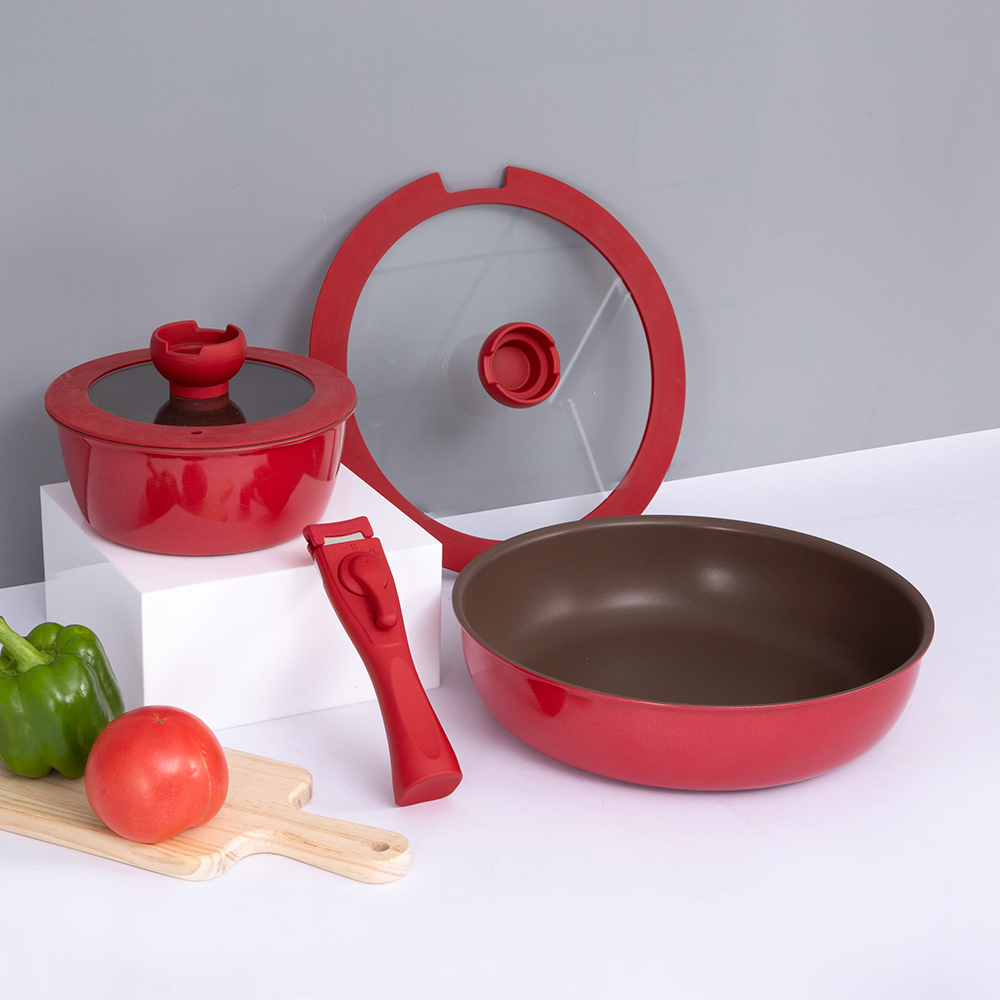
-3.jpg "24X5CM black medicinal stone coating Aluminum frying pan with glass lid DB-2405H")
-5.jpg "28X5.5CM black medicinal stone coating Aluminum frying pan with glass lid DB-2855H")
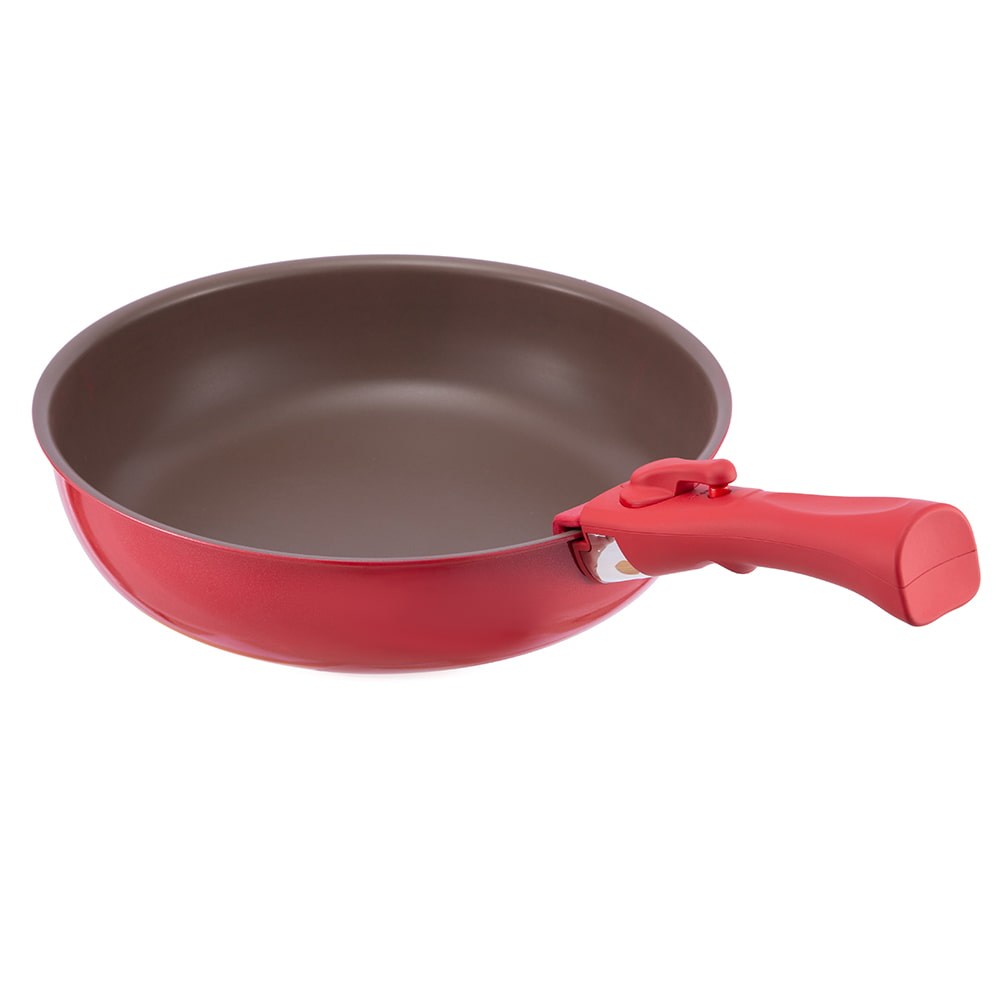
-3.jpg "24X5CM white medicinal stone coating Aluminum frying pan with glass lid DB-2405B")
-9.jpg "20X4.3cm Olive Green Food Safety Coated Stainless Steel 304 Frying Pan JY-2043L")
-3.jpg "20*4.3CM Single long handle uncovered coated frying pan JY-2043NP")
-14.jpg "24X4.5cm Olive Green Food Safety Coated Stainless Steel 304 Frying Pan JY-2445L")