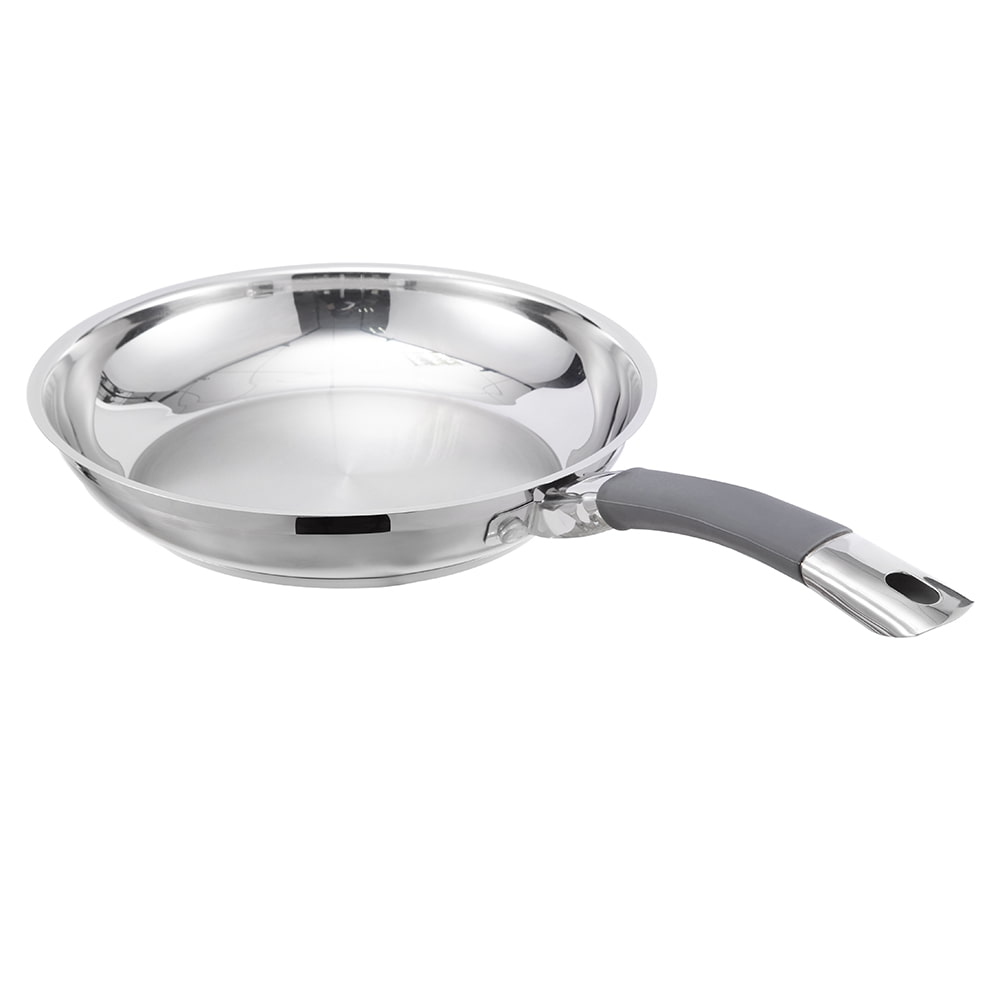
In contemporary cookware markets, buyers and end users are no longer satisfied with generic non-stick solutions. They increasingly seek cookware that delivers stable cooking performance, predictable heat distribution, and durable surface behavior under everyday use. Within this context, the heat-even aluminum granite skillet has emerged as a category that is often compared with traditional non-stick pans, yet frequently misunderstood or oversimplified.
Although both product types are designed to reduce food adhesion and improve cooking convenience, they differ substantially in structural composition, thermal behavior, surface characteristics, and long-term usability.
A heat-even aluminum granite skillet is generally defined by two essential characteristics. First, it relies on an aluminum-based body designed to support consistent heat transfer across the cooking surface. Second, it incorporates a granite-style non-stick coating system that emphasizes surface stability and controlled release properties rather than extreme slickness.
Unlike traditional non-stick pans, which are often categorized primarily by their surface coating alone, the heat-even aluminum granite skillet is more accurately understood as a system-based cookware design. Its performance is determined by the interaction between the aluminum substrate, the base geometry, and the layered coating structure. This integrated approach explains why the term even heating aluminum pan frequently appears in buyer searches related to this category.
Traditional non-stick pans, by contrast, are often defined by a single coating identity and may vary widely in body material, thickness, and base structure. As a result, performance consistency across different usage scenarios can be less predictable.
The aluminum body is central to the identity of a heat-even aluminum granite skillet. Aluminum is selected not simply for weight reduction, but for its ability to support uniform temperature distribution across the pan surface. In this cookware category, the aluminum body is typically engineered with attention to thickness balance, ensuring that heat spreads laterally rather than concentrating in isolated zones.
Traditional non-stick pans also frequently use aluminum, but the application differs. In many conventional designs, aluminum serves primarily as a lightweight carrier for the non-stick layer rather than as an optimized heat-distribution medium. This distinction affects cooking behavior, especially when users transition between low and medium heat ranges.
A defining feature often associated with a heat-even aluminum granite skillet is its attention to base flatness and contact stability. Buyers often describe this characteristic using terms such as flat base frying pan or stable stovetop cookware. The base is designed to maintain consistent contact with the heat source, reducing localized hot areas that can degrade both food quality and coating longevity.
Traditional non-stick pans may prioritize lighter weight or lower production cost, which can lead to thinner bases that are more susceptible to uneven heating or long-term deformation. While this does not render them ineffective, it does influence performance expectations over time.
The granite-style coating used in a heat-even aluminum granite skillet is typically formulated to provide a balanced non-stick experience rather than an ultra-slick surface. The texture and visual appearance often resemble stone-like finishes, which is why terms such as granite coated skillet and stone-look cookware are commonly associated with this category.
Traditional non-stick pans, on the other hand, often emphasize immediate release properties as their primary selling point. Their surfaces are usually smoother and may appear darker or more uniform. While this can be advantageous for specific cooking tasks, it may also make surface wear more noticeable over time.
From a functional standpoint, the granite-style coating is designed to support controlled cooking processes, particularly for foods that benefit from gradual heat exposure.
Traditional non-stick coatings often perform well for quick-release tasks but may show performance variation as surface conditions change with use. The difference lies not in superiority, but in intended use patterns and performance consistency.
One of the most frequently cited distinctions between a heat-even aluminum granite skillet and traditional non-stick pans relates to thermal stability during cooking. This does not imply higher temperatures or faster heating, but rather more predictable heat behavior across the cooking area.
In a heat-even aluminum granite skillet, the aluminum body and base design work together to minimize abrupt temperature changes when ingredients are added. This characteristic is particularly relevant for users seeking an even heating frying pan for everyday cooking tasks that require consistency rather than speed.
Traditional non-stick pans may still perform adequately, but they are more sensitive to variations in stovetop output and pan placement. As a result, users may need to adjust cooking techniques more frequently to achieve similar results.
The table below summarizes general differences in heat-related characteristics without implying absolute performance rankings.
| Aspect | heat-even aluminum granite skillet | traditional non-stick pan |
|---|---|---|
| Heat spread across surface | More uniform by design | More variable depending on model |
| Sensitivity to hot spots | Lower | Higher |
| Response to ingredient addition | More stable | May fluctuate |
| Suitability for controlled cooking | High | Moderate |
Durability is a central concern for both buyers and end users. In this context, the heat-even aluminum granite skillet is often evaluated for coating stability under repeated use rather than for resistance to extreme conditions.
The granite-style coating tends to emphasize abrasion tolerance and visual consistency, which can be relevant for buyers seeking cookware with a longer perceived service life. Search terms such as durable non-stick skillet and scratch resistant granite pan often reflect these priorities, even though actual durability depends heavily on usage and maintenance practices.
Traditional non-stick pans can also offer acceptable durability, but their performance may decline more noticeably if surface wear occurs. The difference is not categorical, but practical: granite-style coatings often age in a more gradual and predictable manner.
A heat-even aluminum granite skillet is often slightly heavier than entry-level non-stick pans, though still manageable for everyday use. This additional mass contributes to handling stability and cooking consistency. Buyers sometimes associate this characteristic with professional style cookware, although the term itself does not imply commercial use.
Traditional non-stick pans frequently prioritize lightness, which can be advantageous for certain users but may also result in reduced stability during cooking.
Cleaning requirements are another area where differences become apparent. Granite-style coatings are typically designed to tolerate gentle cleaning methods without rapid visual degradation. This aligns with buyer searches such as easy to clean granite pan and non-stick skillet maintenance.
Traditional non-stick pans often require similar care, but surface wear may be more immediately visible if cleaning practices are inconsistent. In both cases, maintenance behavior plays a decisive role in long-term performance.
From a buyer’s perspective, the heat-even aluminum granite skillet is often associated with more controlled manufacturing processes, particularly in relation to coating application and body forming. This does not imply exclusivity or higher cost by default, but it does reflect a tendency toward process standardization.
Traditional non-stick pans span a much wider range of manufacturing approaches, from highly standardized production to minimal process control. This diversity makes quality evaluation more complex for buyers sourcing across multiple suppliers.
| Evaluation area | heat-even aluminum granite skillet | traditional non-stick pan |
|---|---|---|
| Body thickness consistency | Generally controlled | Varies widely |
| Coating application layers | More structured | Often simplified |
| Visual finish stability | Higher | Moderate |
| Batch-to-batch uniformity | More predictable | Less predictable |
In the marketplace, the heat-even aluminum granite skillet is often positioned as a reliable everyday cookware solution rather than a specialized or luxury item. Buyer interest is typically driven by practical concerns such as consistent cooking results, balanced durability, and neutral aesthetic appeal.
Traditional non-stick pans occupy a broader range of market positions, from entry-level products to premium offerings. This breadth can make direct comparison challenging unless specifications are carefully aligned.
For buyers managing private label or OEM cookware programs, understanding these positioning differences is essential. The heat-even aluminum granite skillet often supports clear product narratives focused on functional stability, whereas traditional non-stick pans may rely more heavily on surface performance claims.
Although this article avoids formula-based or regulatory-specific claims, it is worth noting that buyers increasingly evaluate cookware based on material transparency and compliance documentation. The aluminum body and granite-style coating systems used in a heat-even aluminum granite skillet are often selected to align with commonly recognized food-contact safety expectations.
Traditional non-stick pans may also meet these requirements, but variations in coating systems can introduce additional evaluation steps. From a sourcing standpoint, clarity in material composition and process documentation is often easier to achieve with standardized granite-style systems.
In practical kitchen environments, the differences between a heat-even aluminum granite skillet and traditional non-stick pans become most apparent during routine, repetitive cooking tasks. The former tends to support cooking styles that emphasize gradual heating and consistent surface behavior, while the latter may excel in quick, low-resistance release applications.
Neither category excludes the other, but their performance profiles differ in ways that influence user satisfaction over time. Understanding these distinctions helps buyers align product selection with target user expectations rather than relying on surface-level similarities.
The difference between a heat-even aluminum granite skillet and traditional non-stick pans lies not in a single feature, but in a combination of structural design, coating philosophy, and performance intent. The heat-even aluminum granite skillet emphasizes controlled heat distribution, surface stability, and predictable long-term behavior, while traditional non-stick pans offer broader variation in design and immediate surface performance.
What type of cooking benefits most from a heat-even aluminum granite skillet?
Cooking tasks that require consistent heat distribution and controlled surface behavior, such as daily sautéing and pan-based preparation, often benefit from this cookware type.
Is a heat-even aluminum granite skillet suitable for low-oil cooking?
Yes, its surface design supports reduced oil use when proper cooking and cleaning practices are followed.
How does cleaning differ from traditional non-stick pans?
Cleaning requirements are similar, but granite-style coatings often show less visible wear when cleaned gently.
Does heavier weight affect usability?
The slightly increased weight can improve stability during cooking while remaining manageable for routine use.
Can a heat-even aluminum granite skillet be used on different stovetops?
Compatibility depends on base design, but many models are suitable for common stovetop types.
 No. 1, Jingwei Road, Yangcheng Lake Town, Xiangcheng District, Suzhou City, China
 [email protected]
  +86-13913553688
Copyright © Suzhou Jiayi Stainless Steel Products Co., Ltd.
 Privacy
Wholesale Aluminum/ Stainless Steel Pan and Pot Manufacturers
Privacy
Wholesale Aluminum/ Stainless Steel Pan and Pot Manufacturers

 search
 中文简体
中文简体 English
 русский
 Français
 Español
 日本語
日本語
-4.jpg "20X4.5CM white medicinal stone coating Aluminum frying pan DB-2045B")
-1.jpg "20X4.5CM black medicinal stone coating Aluminum frying pan DB-2045H")
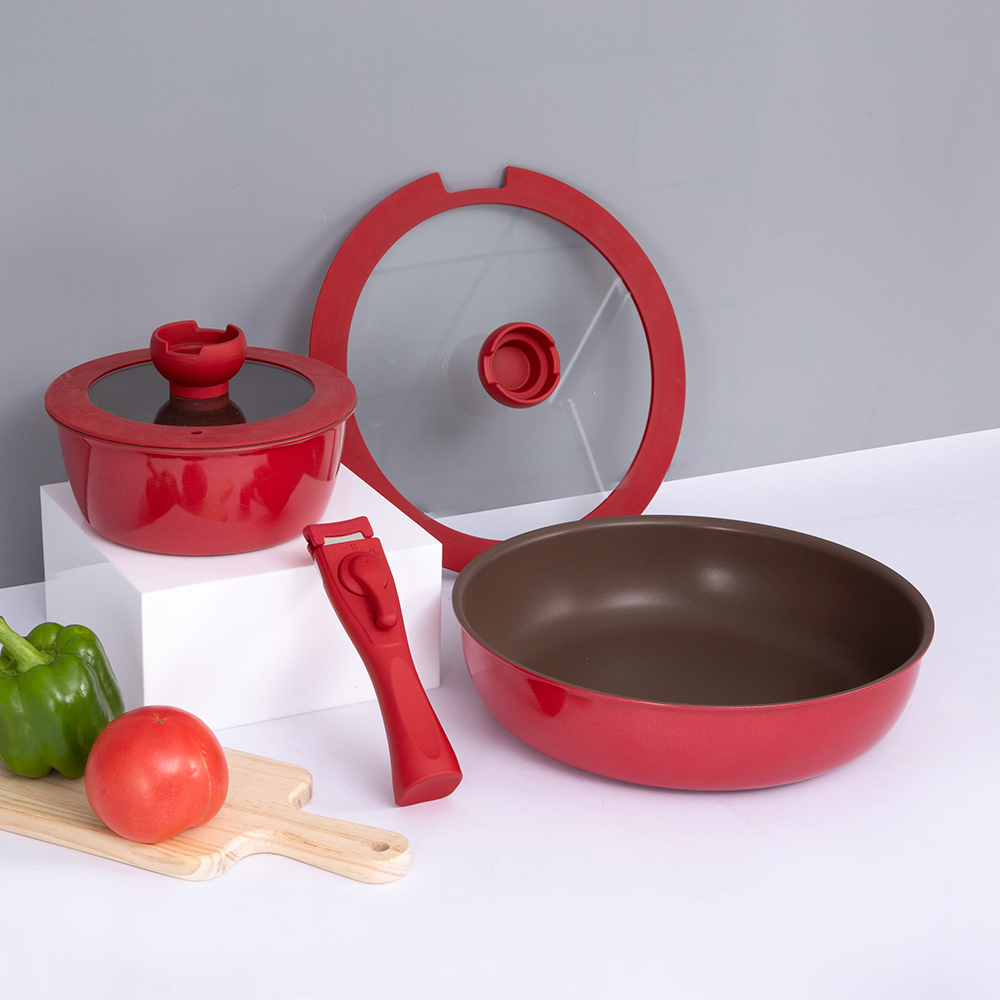
-3.jpg "24X5CM black medicinal stone coating Aluminum frying pan with glass lid DB-2405H")
-5.jpg "28X5.5CM black medicinal stone coating Aluminum frying pan with glass lid DB-2855H")
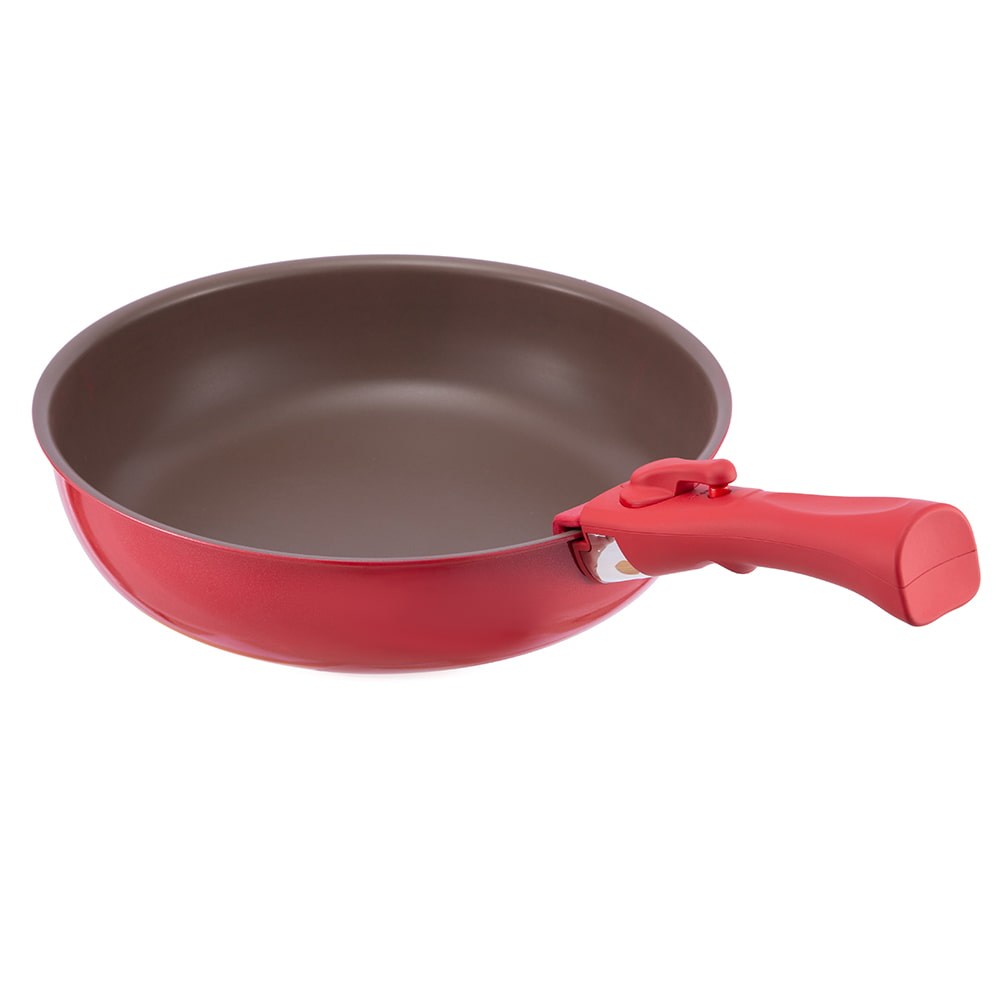
-3.jpg "24X5CM white medicinal stone coating Aluminum frying pan with glass lid DB-2405B")
-9.jpg "20X4.3cm Olive Green Food Safety Coated Stainless Steel 304 Frying Pan JY-2043L")
-3.jpg "20*4.3CM Single long handle uncovered coated frying pan JY-2043NP")
-14.jpg "24X4.5cm Olive Green Food Safety Coated Stainless Steel 304 Frying Pan JY-2445L")