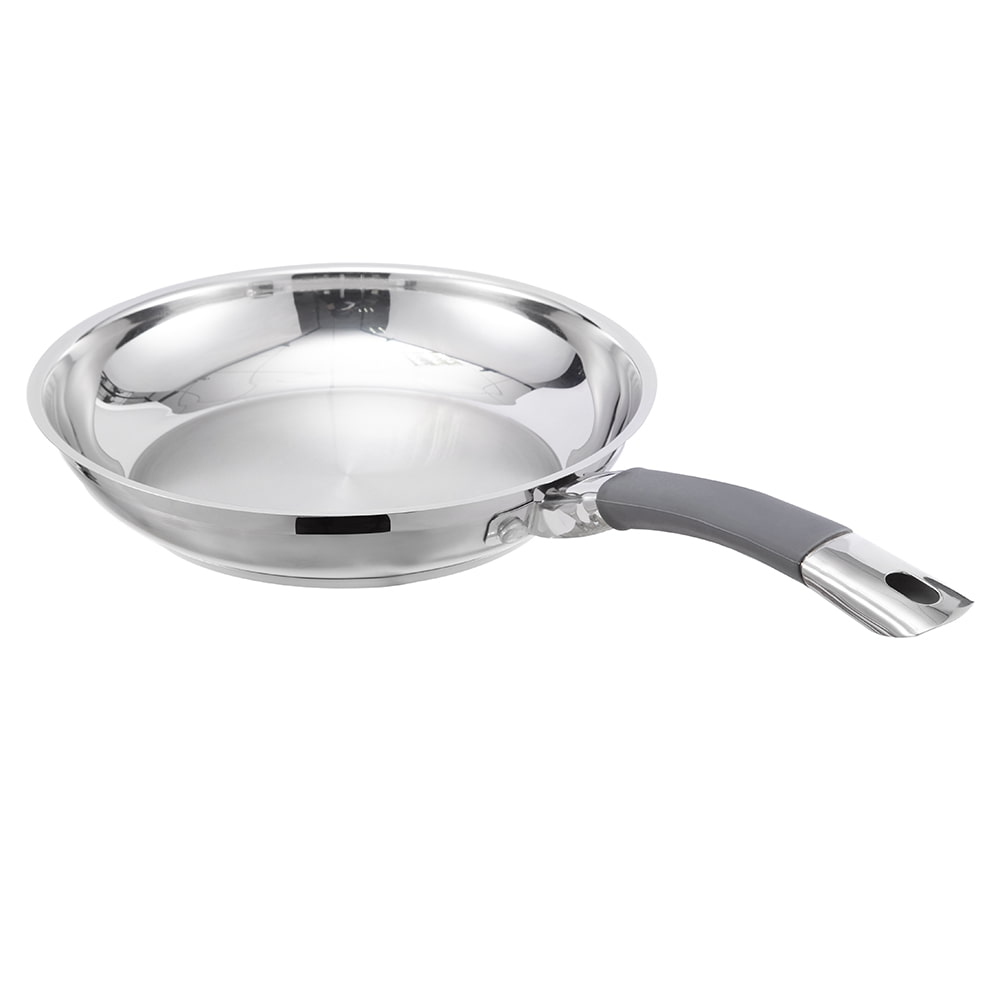
Safety has become a central concern in modern cookware selection, particularly for products designed for daily, high-frequency cooking. An aluminum granite fry pan no lid is widely used in both household and professional kitchens due to its balance of heat responsiveness, non-stick performance, and practical handling characteristics. However, safety considerations extend far beyond basic usability. They involve material selection, coating stability, food contact compliance, thermal behavior, ergonomic design, cleaning practices, and long-term durability under repeated use.
An aluminum granite fry pan no lid typically consists of three core structural elements: an aluminum body, a granite-effect non-stick coating, and an attached handle. Each component plays a distinct role in safety performance.
The aluminum base is valued for its responsiveness to heat and relatively low weight. From a safety perspective, aluminum used in cookware is generally not intended to come into direct contact with food. Instead, it is covered by a protective coating that serves as a barrier and provides non-stick functionality.
The granite coating, often referred to in the market as granite non-stick coating or stone-inspired surface, is not natural stone but a composite coating system that includes mineral-like particles. Its primary safety function is to prevent food adhesion while isolating the aluminum substrate from food contact.
The absence of a lid reduces certain risks, such as pressure buildup or improper venting, but it also places greater importance on splash resistance, handle stability, and heat control. Understanding how these elements interact is essential when evaluating aluminum granite fry pan no lid safety.
From a safety standpoint, aluminum cookware has been extensively evaluated for food contact applications. In an aluminum granite fry pan no lid, the aluminum body is usually fully encapsulated by the coating on the interior cooking surface. This design minimizes direct exposure of food to raw aluminum.
Key safety considerations include the purity of the aluminum alloy, manufacturing cleanliness, and structural consistency. High-quality aluminum substrates are less prone to deformation, cracking, or coating separation during repeated heating cycles. Structural integrity is essential because deformation can lead to uneven heating, which may accelerate coating wear and indirectly compromise food safety.
It is important to note that aluminum safety discussions often focus on metal migration. In coated cookware, migration risk is managed by ensuring the coating remains intact and adherent over time. Therefore, aluminum safety cannot be evaluated independently of coating performance.
The granite coating used in aluminum granite fry pan no lid products is typically a multi-layer system designed for durability and non-stick performance. From a safety perspective, the most critical issues are coating composition, curing quality, and long-term stability under heat.
Many buyers actively search for cookware described as pfoa free cookware or food-safe non-stick coating, reflecting concerns about harmful substances historically associated with certain non-stick technologies. While regulatory requirements vary by market, modern granite-style coatings are generally formulated to comply with food contact standards.
Coating stability is essential because degraded or flaking coatings can expose the aluminum substrate and create both hygiene and ingestion risks. Safety evaluations therefore focus on abrasion resistance, adhesion strength, and resistance to thermal stress.
An aluminum granite fry pan no lid is designed to distribute heat efficiently across the cooking surface. From a safety perspective, even heat distribution helps prevent localized overheating, which can damage coatings or cause food to burn and release unwanted residues.
Uneven heat can also encourage users to increase cooking temperatures unnecessarily, raising the risk of coating degradation. Proper pan design supports stable cooking at moderate temperatures, which aligns with safe cooking temperature cookware practices commonly emphasized by safety-conscious buyers.
The absence of a lid means heat escapes more readily, which may reduce internal heat accumulation but can increase the likelihood of splattering. Users must therefore rely on controlled heat input and appropriate cooking techniques to maintain safety.
One of the most significant safety concerns associated with any non-stick pan, including aluminum granite fry pan no lid products, is overheating without food or liquid present. Dry heating can cause rapid temperature increases that exceed the coating’s designed tolerance.
While no formulas or calculations are required to understand this risk, the principle is straightforward: coatings perform best within a defined temperature range. Prolonged dry heating may result in discoloration, loss of non-stick properties, or surface degradation. Safety guidance typically emphasizes gradual heating and avoiding empty-pan preheating for extended periods.
The handle is a critical safety component of an aluminum granite fry pan no lid. Poorly secured handles can loosen over time, increasing the risk of spills, burns, or dropped cookware. Safety evaluations often focus on attachment methods, such as mechanical fastening or integrated casting.
From a user perspective, a secure handle supports ergonomic cookware safety, reducing strain and improving control during lifting or pouring. Handle materials must also resist heat transfer to prevent burns during extended cooking.
An aluminum granite fry pan no lid is typically lighter than cookware made from heavier metals. This reduced weight improves handling safety, especially for users with limited strength or in fast-paced kitchen environments.
However, balance is as important as weight. A pan that is too light relative to handle length or shape may tip easily when placed on a cooktop. Safety-oriented designs aim for balanced weight distribution to minimize tipping and sliding.
Surface durability directly affects long-term safety. When a granite coating resists scratching and abrasion, it maintains its barrier function and reduces the likelihood of flaking. Buyers often associate durability with scratch-resistant non-stick pan performance, although no coating is completely immune to wear.
Using appropriate utensils and cleaning methods supports coating longevity. Safety guidance generally discourages sharp or abrasive tools that may damage the surface and compromise food contact integrity.
Over time, all cookware surfaces experience wear. For aluminum granite fry pan no lid products, safety considerations include recognizing when a pan should be retired. Visible coating loss, deep scratches, or persistent sticking may indicate that the pan no longer meets safe use expectations.
Clear communication about expected service life supports safer use and reduces the risk of prolonged use beyond the product’s intended performance window.
Proper cleaning is essential for maintaining both hygiene and material safety. Non-stick surfaces are designed to release food residues easily, reducing the need for aggressive scrubbing. Gentle cleaning methods preserve the coating and prevent micro-damage.
From a safety standpoint, avoiding harsh chemicals aligns with safe cookware cleaning practices, reducing the risk of chemical residues remaining on the cooking surface. Warm water, mild detergents, and soft sponges are typically sufficient.
Some aluminum granite fry pan no lid products are marketed as dishwasher compatible, while others are not. Even when dishwasher use is permitted, repeated exposure to detergents and high-temperature cycles may accelerate coating wear.
Safety-focused guidance often recommends hand washing to maintain coating integrity, even if dishwasher use is technically allowed.
Compliance with food contact regulations is a foundational safety requirement for aluminum granite fry pan no lid products. These standards address issues such as material migration, surface cleanliness, and resistance to degradation under normal use conditions.
While regulatory frameworks differ by region, the underlying principle remains consistent: cookware must not release harmful substances into food under intended conditions of use. Buyers frequently seek reassurance through terms such as food contact compliant cookware or kitchenware safety standards.
Safety is not determined solely by design but also by manufacturing consistency. Variations in coating thickness, curing processes, or material quality can affect safety performance. Consistent quality control reduces the likelihood of defects that could compromise safety.
| Safety factor | Relevance to aluminum granite fry pan no lid |
|---|---|
| Coating adhesion | Prevents exposure of aluminum substrate |
| Heat resistance | Reduces risk of coating degradation |
| Handle stability | Minimizes spills and burn injuries |
| Surface durability | Maintains long-term food safety |
| Cleaning compatibility | Supports hygiene and coating longevity |
User behavior plays a significant role in cookware safety. Gradual heating, appropriate oil use, and avoiding overheating all contribute to safer performance. An aluminum granite fry pan no lid responds quickly to heat, making careful control especially important.
Educating users about proper handling aligns with safe non-stick cookware use principles and reduces preventable damage or accidents.
Improper storage can cause mechanical damage to coatings. Stacking pans without protective layers may lead to scratches that compromise surface integrity. Safety-conscious storage practices extend the usable life of the pan and preserve its protective coating.
While sustainability is often discussed separately from safety, the two are linked through durability and lifecycle considerations. A pan that lasts longer reduces replacement frequency and minimizes waste. Durable aluminum granite fry pan no lid products therefore support a broader concept of responsible and safe consumption.
When used within recommended conditions, modern granite-style coatings are designed to remain stable and not emit harmful substances. Avoiding overheating contributes not only to surface longevity but also to maintaining acceptable indoor air quality during cooking.
| Potential risk | Mitigation approach |
|---|---|
| Overheating | Gradual heating and avoiding empty pan use |
| Handle loosening | Periodic inspection and proper tightening |
| Coating wear | Gentle utensils and cleaning methods |
| Food residue buildup | Regular cleaning after each use |
| Splashing | Controlled heat and appropriate oil use |
In domestic kitchens, safety priorities often focus on ease of use, low maintenance, and protection against accidental burns. An aluminum granite fry pan no lid meets many of these needs when used correctly, particularly due to its manageable weight and responsive heat behavior.
In professional or semi-professional environments, safety evaluations place greater emphasis on durability, consistency, and resistance to intensive use. While aluminum granite fry pan no lid products can perform well in such settings, adherence to recommended use practices becomes even more critical.
Across both contexts, safety is not a static attribute but an outcome shaped by design, materials, manufacturing quality, and user behavior.
Safety considerations for aluminum granite fry pan no lid products encompass a wide range of factors, from material composition and coating stability to heat management, mechanical integrity, and user handling practices. No single feature determines safety in isolation. Instead, safety emerges from the interaction of design choices, manufacturing quality, regulatory compliance, and responsible use.
Is aluminum granite fry pan no lid safe for daily cooking?
When manufactured in compliance with food contact standards and used according to recommended practices, it is suitable for daily cooking.
Does the granite coating prevent aluminum from contacting food?
Yes, the coating functions as a protective barrier as long as it remains intact.
Can metal utensils be used safely with aluminum granite fry pan no lid?
Occasional use may not cause immediate damage, but repeated contact increases wear risk. Non-metal utensils are generally safer.
What signs indicate that the pan should no longer be used?
Visible coating loss, deep scratches, or persistent sticking suggest that replacement may be advisable.
Is high-heat cooking safe with aluminum granite fry pan no lid?
Moderate heat is recommended. Prolonged high-heat or empty-pan heating increases safety risks.
 No. 1, Jingwei Road, Yangcheng Lake Town, Xiangcheng District, Suzhou City, China
 [email protected]
  +86-13913553688
Copyright © Suzhou Jiayi Stainless Steel Products Co., Ltd.
 Privacy
Wholesale Aluminum/ Stainless Steel Pan and Pot Manufacturers
Privacy
Wholesale Aluminum/ Stainless Steel Pan and Pot Manufacturers

 search
 中文简体
中文简体 English
 русский
 Français
 Español
 日本語
日本語
-4.jpg "20X4.5CM white medicinal stone coating Aluminum frying pan DB-2045B")
-1.jpg "20X4.5CM black medicinal stone coating Aluminum frying pan DB-2045H")
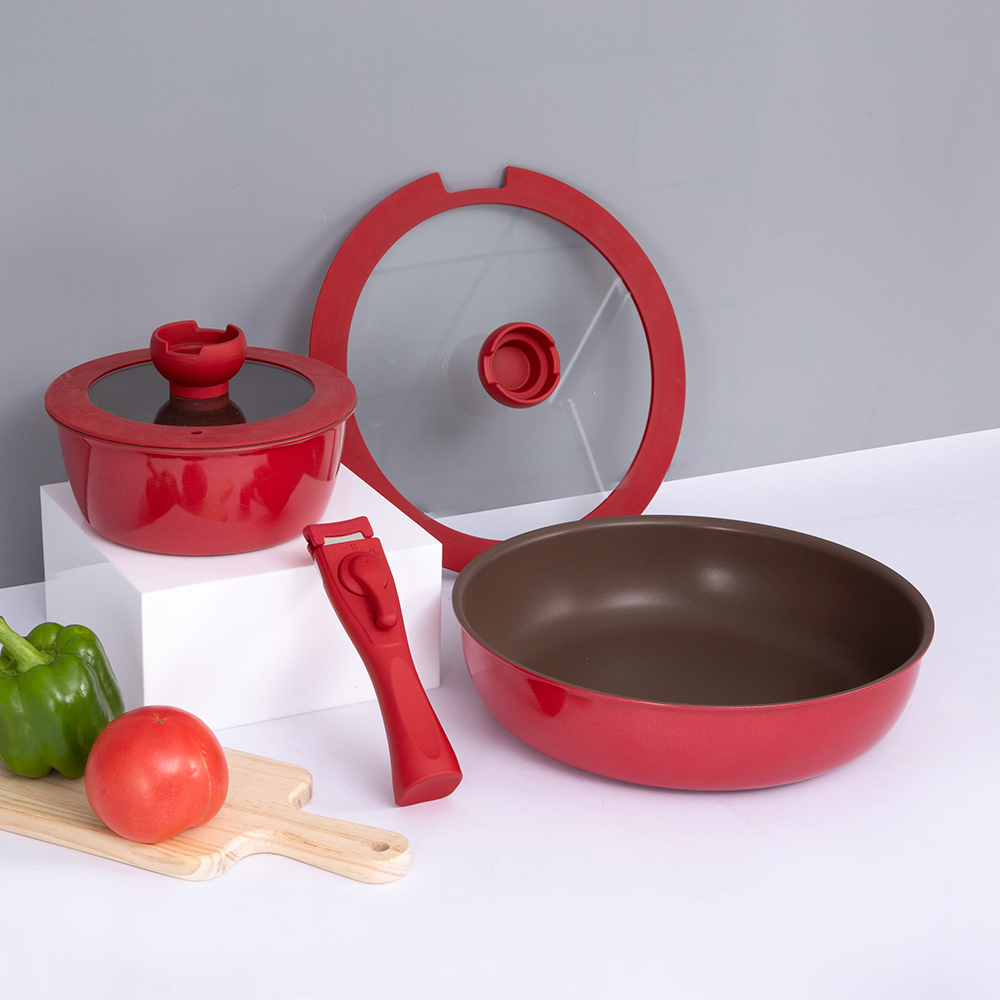
-3.jpg "24X5CM black medicinal stone coating Aluminum frying pan with glass lid DB-2405H")
-5.jpg "28X5.5CM black medicinal stone coating Aluminum frying pan with glass lid DB-2855H")
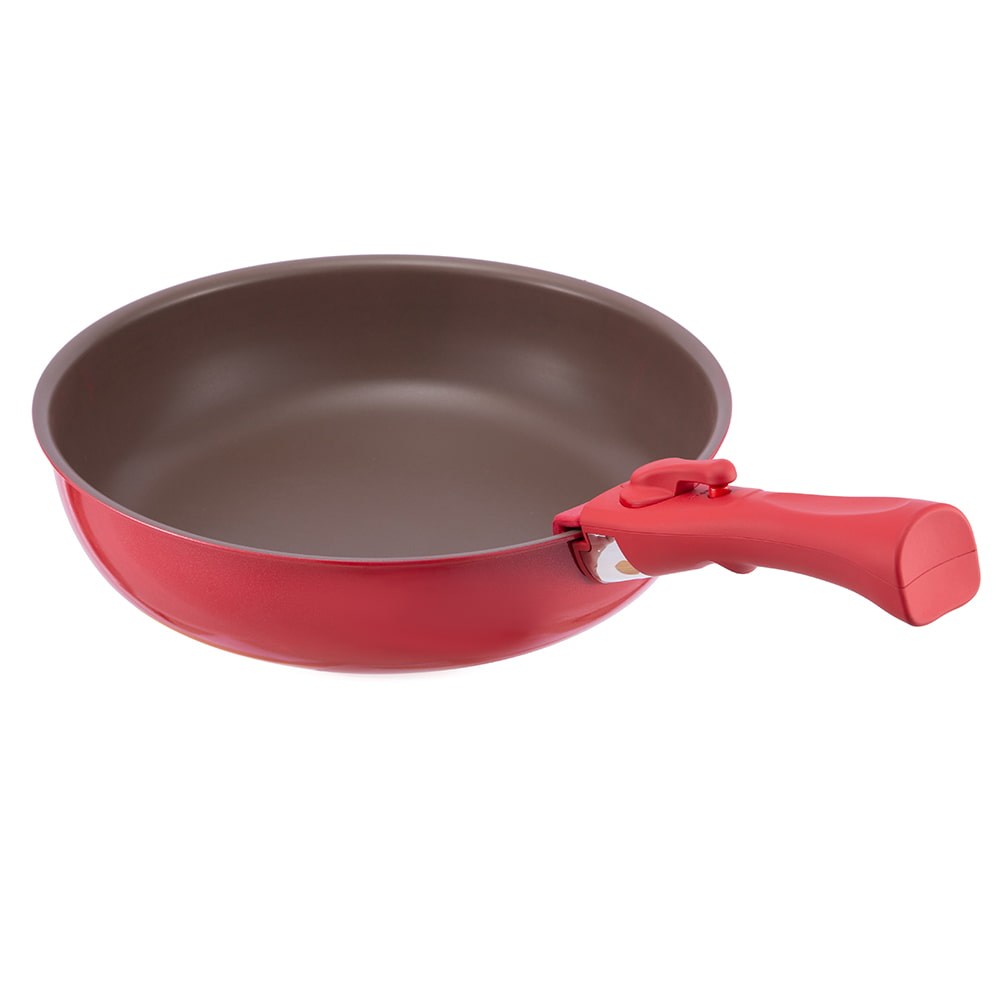
-3.jpg "24X5CM white medicinal stone coating Aluminum frying pan with glass lid DB-2405B")
-9.jpg "20X4.3cm Olive Green Food Safety Coated Stainless Steel 304 Frying Pan JY-2043L")
-3.jpg "20*4.3CM Single long handle uncovered coated frying pan JY-2043NP")
-14.jpg "24X4.5cm Olive Green Food Safety Coated Stainless Steel 304 Frying Pan JY-2445L")