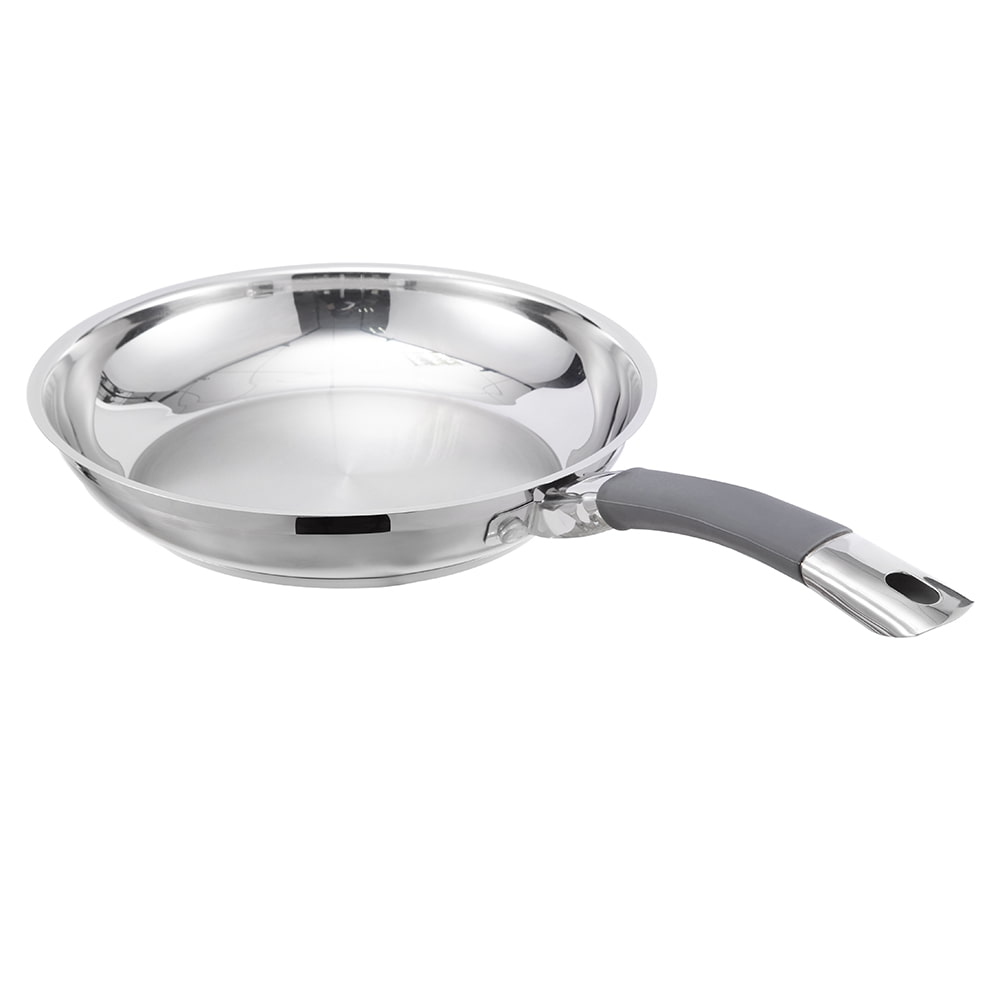
Proper cleaning is a critical factor in maintaining the functional performance, appearance, and service life of a granite finish cookware pan. While this type of cookware is widely valued for its balanced non-stick behavior, stone-like surface texture, and adaptability to modern kitchens, its long-term usability depends heavily on appropriate care practices. Cleaning methods that are unsuitable or overly aggressive may gradually compromise surface integrity, reduce non-stick effectiveness, or cause premature wear, even when the cookware is structurally sound.
Before discussing cleaning methods, it is important to understand the surface characteristics of a granite finish cookware pan, as these characteristics directly influence how the pan should be cleaned. The term “granite finish” typically refers to a multi-layer coated cooking surface designed to visually resemble stone. This finish is engineered to offer a balance between ease of cleaning and mechanical durability.
The surface is generally smoother than natural stone but slightly more textured than conventional smooth coatings. This micro-texture contributes to controlled food release and supports oil-efficient cooking, yet it also means that food residues can settle into surface irregularities if not cleaned in a timely manner. As a result, cleaning methods must be effective without being abrasive.
Another relevant characteristic is coating adhesion, which ensures that the surface remains bonded to the base material during repeated heating and cooling cycles. Improper cleaning, particularly with harsh tools or chemicals, can weaken this adhesion over time. Therefore, recommended cleaning methods prioritize surface protection alongside hygiene.
Cleaning is not merely a cosmetic concern for a granite finish cookware pan. Over time, improper cleaning practices can alter how the pan behaves during cooking. Residual oils that are not fully removed may carbonize during subsequent use, leading to uneven food release and localized sticking. Conversely, excessive scrubbing may wear down the surface, reducing its effective lifespan.
From a functional perspective, appropriate cleaning helps maintain consistent non-stick performance, supports predictable heat interaction with food, and minimizes the accumulation of residues that may affect taste or appearance. From a procurement and usage standpoint, consistent cleaning practices also contribute to more reliable performance assessments, especially in environments where cookware is evaluated for durability and repeat usability.
For these reasons, cleaning methods should be matched to the material properties of a granite finish cookware pan rather than relying on generalized cookware cleaning habits.
Daily cleaning refers to the routine process performed after normal cooking activities. For most users, this is the most frequent interaction with the cookware surface, making it the most influential factor in long-term condition.
After cooking, it is advisable to allow the granite finish cookware pan to cool naturally before cleaning. Sudden exposure to cold water while the pan is still hot may cause stress between the surface coating and the base material. While such stress may not result in immediate damage, repeated occurrences can contribute to gradual surface degradation.
Once cooled, daily cleaning should focus on gentle removal of food residues and oils. Warm water combined with a mild, non-abrasive cleaning agent is generally sufficient. Soft sponges or cloths are preferred, as they can reach surface textures without causing mechanical wear. This approach supports surface durability while ensuring hygienic cleanliness.
Daily cleaning also provides an opportunity to visually inspect the pan. Early identification of stubborn residues or discoloration allows for timely intervention before deeper cleaning becomes necessary.
Food residues vary widely in composition and adhesion. Some residues, such as light oils or starch-based remains, are easily removed during routine cleaning. Others, particularly protein-rich or sugary residues, may adhere more firmly if exposed to high heat.
To manage these residues effectively, soaking is often recommended as a preliminary step. Filling the pan with warm water and allowing it to sit briefly can soften residues, reducing the need for forceful scrubbing. This method aligns with heat-safe cleaning practices, as it avoids extreme temperature changes while loosening adhered particles.
It is important to note that prolonged soaking with aggressive cleaning agents is not advisable. Extended exposure to strong detergents may affect the surface finish over time. Instead, soaking should be used strategically and followed by gentle manual cleaning.
Even with consistent daily cleaning, a granite finish cookware pan may occasionally require deeper cleaning to address accumulated residues or discoloration. Deep cleaning differs from daily cleaning in duration and intent, but it should still adhere to the principle of surface preservation.
Deep cleaning typically involves longer soaking periods combined with mild cleaning solutions. Warm water remains the base medium, as it effectively softens residues without introducing thermal stress. A non-abrasive cleaning agent can be used to enhance residue removal, especially in areas where oils have polymerized through repeated heating.
During deep cleaning, attention should be paid to the pan’s edges and interior corners, where residues are more likely to accumulate. Gentle circular motions with a soft cleaning tool are usually sufficient. This method supports food residue removal without compromising surface integrity.
| Aspect | Daily cleaning | Deep cleaning |
|---|---|---|
| Frequency | After each use | Periodic, as needed |
| Primary goal | Remove fresh residues | Address accumulated buildup |
| Water temperature | Warm | Warm |
| Cleaning tools | Soft sponge or cloth | Soft sponge with extended contact |
| Surface impact | Minimal | Controlled and protective |
This comparison illustrates that deep cleaning is not a fundamentally different process but an extension of routine care, requiring more time rather than more force.
Stains and discoloration can occur on a granite finish cookware pan even when cleaning is performed regularly. These visual changes are often the result of oil residues that have undergone repeated heating cycles. While such stains do not necessarily indicate functional failure, they may affect user perception and assessment.
To address stains, a targeted approach is recommended. Gentle soaking followed by repeated light cleaning passes is typically more effective than aggressive scrubbing. In some cases, a slightly extended soaking period allows stains to fade gradually without mechanical abrasion.
It is important to recognize that complete stain removal may not always be achievable, particularly when discoloration has developed over a long period. The goal of stain management should therefore focus on maintaining cleanliness and usability rather than restoring a factory-new appearance.
The choice of cleaning tools plays a decisive role in preserving the condition of a granite finish cookware pan. Soft materials are consistently recommended because they minimize surface wear while still enabling effective cleaning.
Materials to use include soft sponges, microfiber cloths, and non-abrasive pads designed for coated surfaces. These tools support scratch resistance by reducing the likelihood of micro-damage during cleaning.
Conversely, hard brushes, metal scrubbers, and abrasive pads should be avoided. While these tools may remove residues quickly, they can compromise the surface finish, leading to reduced non-stick behavior and uneven wear.
| Cleaning tool type | Suitability for granite finish cookware pan | Reasoning |
|---|---|---|
| Soft sponge | Suitable | Gentle on coated surface |
| Microfiber cloth | Suitable | Effective for oil removal |
| Non-abrasive pad | Conditionally suitable | Use with light pressure |
| Metal scrubber | Not suitable | High risk of surface damage |
| Hard-bristle brush | Not suitable | May cause micro-scratches |
This table reinforces the importance of aligning cleaning tools with surface characteristics rather than prioritizing speed or force.
Cleaning agents should be selected with equal care. Mild detergents are generally sufficient for both daily and deep cleaning of a granite finish cookware pan. These agents effectively break down oils without introducing aggressive chemical interactions.
Strong alkaline or acidic cleaners are not recommended for routine use. While they may be effective in removing stubborn residues, their repeated use can gradually alter surface appearance and texture. Over time, this may affect non-stick coating maintenance and overall performance.
In professional settings where hygiene standards are strict, it is especially important to balance cleanliness with surface preservation. Using approved mild agents consistently is preferable to alternating between extreme solutions.
Cleaning does not end when residues are removed. Drying and handling after cleaning also influence long-term condition. Air drying is generally acceptable, provided the pan is placed in a position that allows water to drain completely. Alternatively, gentle towel drying can prevent water spots and mineral deposits.
After drying, proper storage is recommended to avoid unnecessary surface contact. When stacking cookware, using soft separators can reduce the risk of surface abrasion. This practice supports surface durability and helps maintain a uniform finish over time.
The recommended cleaning methods for a granite finish cookware pan apply broadly, but usage context can influence frequency and intensity. In household kitchens, cleaning typically follows predictable patterns based on daily meals. In contrast, professional or shared kitchens may require more frequent cleaning due to higher usage volumes.
In high-frequency environments, consistency becomes more important than intensity. Regular light cleaning after each use is more effective and less damaging than infrequent aggressive cleaning. This approach ensures that residues do not accumulate to a level that necessitates forceful intervention.
One common misconception is that a granite finish cookware pan can tolerate any cleaning method because it is perceived as “stone-like.” In reality, the finish is engineered and requires care similar to other coated surfaces. Another misconception is that visible staining automatically indicates failure. As discussed earlier, staining is often cosmetic and does not necessarily reflect functional decline.
Clarifying these misconceptions helps users adopt realistic expectations and appropriate maintenance habits, ultimately supporting more consistent performance.
Over time, proper cleaning practices contribute to predictable cooking behavior and sustained usability. A well-maintained granite finish cookware pan typically demonstrates more stable food release, easier cleaning cycles, and a more uniform surface appearance.
From a broader perspective, appropriate cleaning also supports more accurate product evaluation, particularly in procurement or testing contexts. When cookware is maintained according to recommended methods, performance assessments are more likely to reflect design intent rather than degradation caused by misuse.
Recommended cleaning methods for a granite finish cookware pan emphasize gentleness, consistency, and surface awareness. Daily cleaning with warm water, mild agents, and soft tools forms the foundation of effective care. Periodic deep cleaning, when performed thoughtfully, addresses accumulated residues without compromising surface integrity. By avoiding abrasive tools and aggressive chemicals, users can support non-stick coating maintenance, scratch resistance, and long-term surface durability.
Ultimately, cleaning should be viewed as an integral part of cookware usage rather than a secondary consideration. When aligned with the material characteristics of a granite finish cookware pan, appropriate cleaning practices help preserve both functional performance and visual condition over an extended service life.
Q1: Can a granite finish cookware pan be cleaned in a dishwasher?
Dishwasher cleaning is not generally recommended, as repeated exposure to strong detergents and high water pressure may affect surface condition over time.
Q2: How often should deep cleaning be performed?
Deep cleaning should be performed only when visible buildup or discoloration cannot be addressed through routine cleaning.
Q3: Are abrasive cleaning pads ever acceptable?
Abrasive pads are not recommended, as they can compromise surface texture and reduce non-stick effectiveness.
Q4: What should be done if food sticks after cleaning?
Sticking may indicate residue buildup. A gentle deep cleaning cycle can help restore more consistent food release.
Q5: Does cleaning method affect the lifespan of the pan?
Yes. Consistent use of gentle cleaning methods contributes significantly to maintaining long-term usability.
 No. 1, Jingwei Road, Yangcheng Lake Town, Xiangcheng District, Suzhou City, China
 [email protected]
  +86-13913553688
Copyright © Suzhou Jiayi Stainless Steel Products Co., Ltd.
 Privacy
Wholesale Aluminum/ Stainless Steel Pan and Pot Manufacturers
Privacy
Wholesale Aluminum/ Stainless Steel Pan and Pot Manufacturers

 search
 中文简体
中文简体 English
 русский
 Français
 Español
 日本語
日本語
-4.jpg "20X4.5CM white medicinal stone coating Aluminum frying pan DB-2045B")
-1.jpg "20X4.5CM black medicinal stone coating Aluminum frying pan DB-2045H")
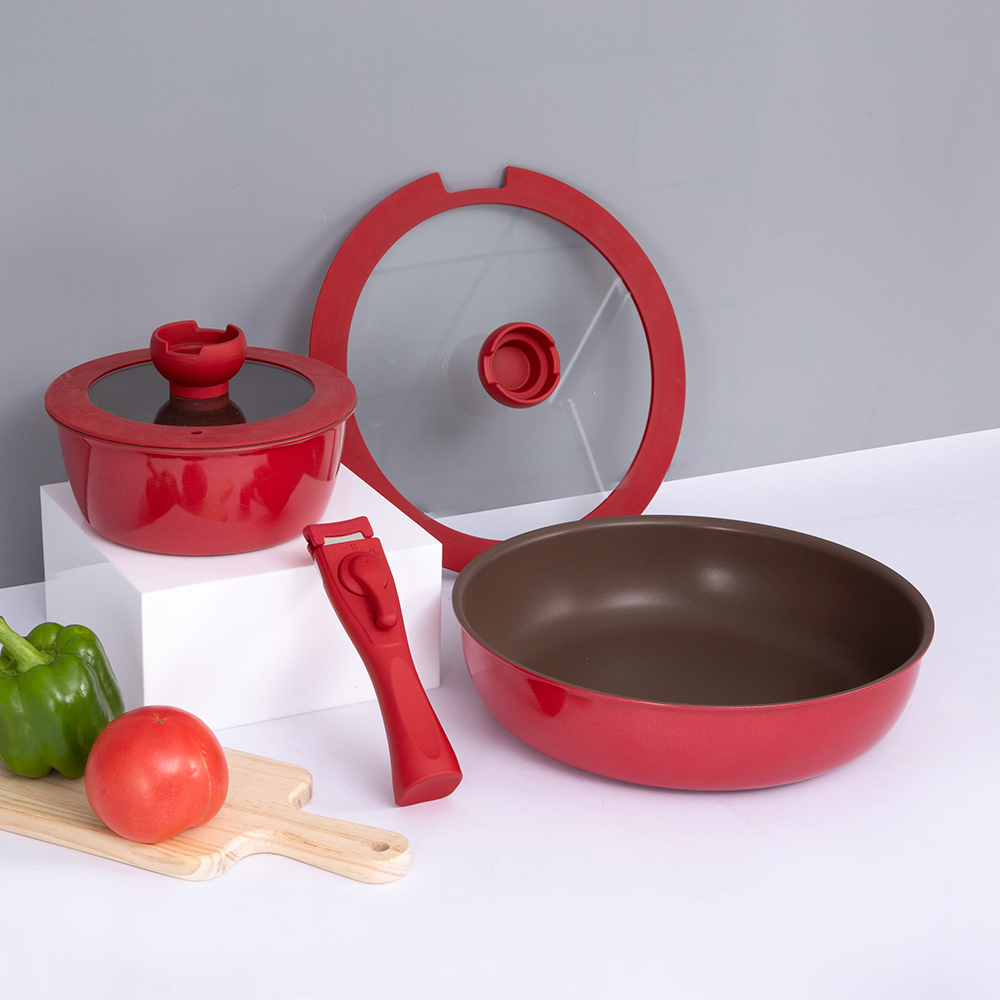
-3.jpg "24X5CM black medicinal stone coating Aluminum frying pan with glass lid DB-2405H")
-5.jpg "28X5.5CM black medicinal stone coating Aluminum frying pan with glass lid DB-2855H")
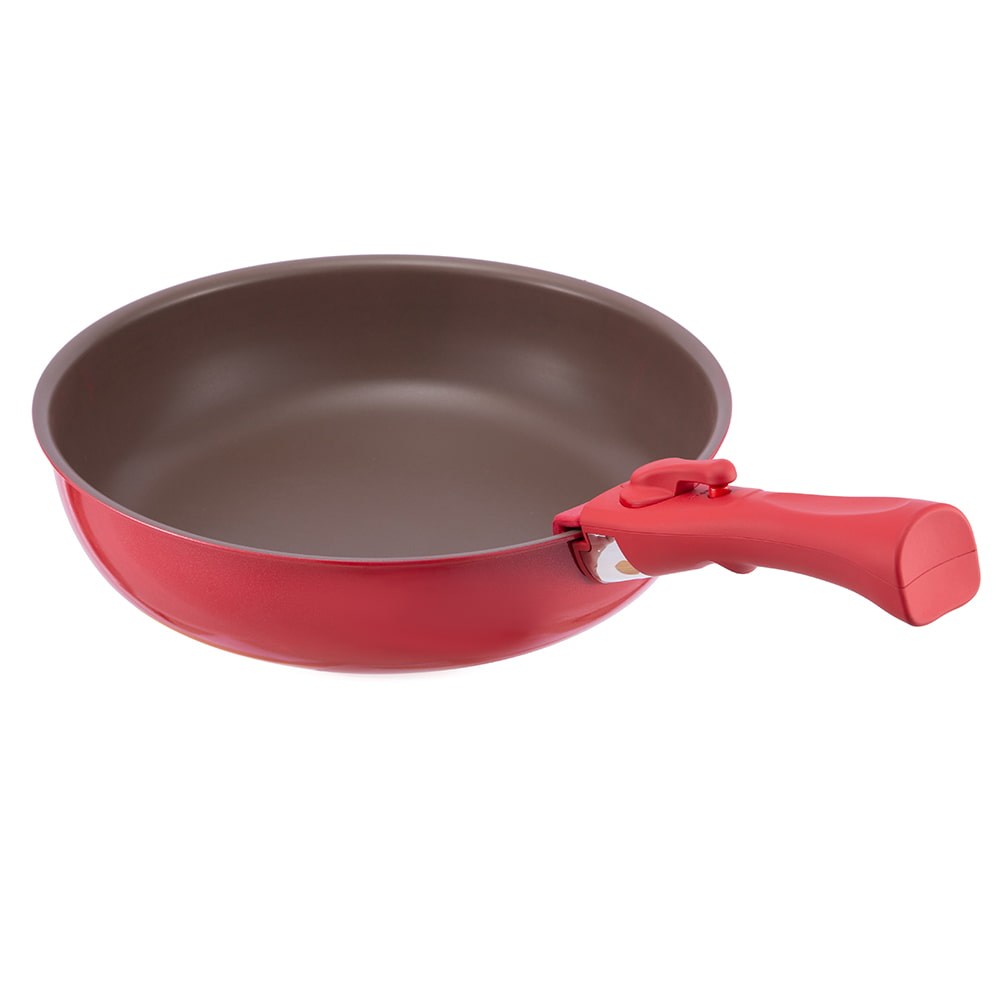
-3.jpg "24X5CM white medicinal stone coating Aluminum frying pan with glass lid DB-2405B")
-9.jpg "20X4.3cm Olive Green Food Safety Coated Stainless Steel 304 Frying Pan JY-2043L")
-3.jpg "20*4.3CM Single long handle uncovered coated frying pan JY-2043NP")
-14.jpg "24X4.5cm Olive Green Food Safety Coated Stainless Steel 304 Frying Pan JY-2445L")