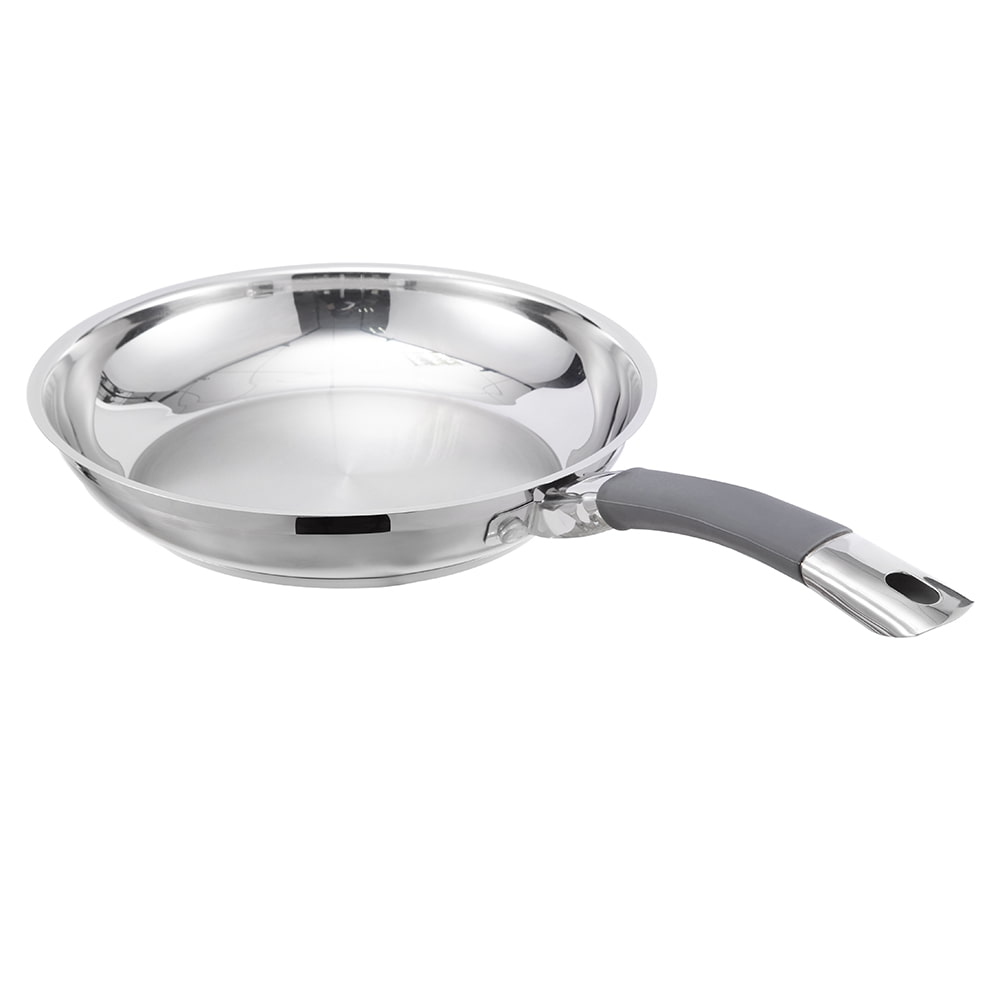
A non-stick aluminum frying pan without lid is a widely used piece of cookware in both domestic kitchens and professional food preparation environments. Its popularity is closely related to its lightweight structure, efficient heat conduction, and convenience in everyday cooking. However, improper cleaning and maintenance can significantly shorten its service life and negatively affect cooking performance.
Before discussing cleaning and maintenance methods, it is essential to understand the basic structure and material characteristics of a non-stick aluminum frying pan without lid. This knowledge helps explain why certain care practices are recommended and why others should be avoided.
Aluminum is widely used in frying pans due to its excellent heat conductivity and relatively low weight. A non-stick aluminum frying pan without lid typically consists of an aluminum body combined with a non-stick coating applied to the cooking surface. The aluminum body allows for quick and even heat distribution, while the coating reduces food adhesion and simplifies cleaning.
However, aluminum is softer than some other metals, and the non-stick coating is a surface layer that can degrade if exposed to improper handling. Understanding this combination of materials is fundamental to maintaining performance and appearance over time.
The non-stick coating is designed to create a smooth, low-friction cooking surface. This surface minimizes the need for excessive cooking oil and helps food release easily during cooking. At the same time, the coating requires careful handling because it can be scratched, worn, or degraded by aggressive cleaning methods or unsuitable utensils.
Proper cleaning directly supports coating integrity, which in turn preserves cooking efficiency and hygiene.
Cleaning and maintenance are not only about visual appearance. They play a critical role in ensuring food safety, consistent heat performance, and long-term usability.
Residue buildup, grease layers, or burnt food particles can interfere with heat transfer. Over time, these layers may cause uneven heating or localized hot spots. Regular and correct cleaning ensures that the aluminum body can perform as intended, maintaining stable cooking results.
Food residue left on the surface or around rivets and edges may harbor bacteria. A properly cleaned non-stick aluminum frying pan without lid reduces the risk of contamination and supports hygienic food preparation standards.
From a buyer’s or procurement perspective, cookware that is properly maintained lasts longer and requires fewer replacements. Good maintenance practices reduce total ownership cost, especially in environments where pans are used frequently.
Cleaning and maintenance begin before the pan is even used for the first time. This step is often overlooked but plays an important role in performance consistency.
New cookware may carry residual oils, dust, or protective agents from the manufacturing and packaging process. Before first use, the pan should be gently washed with warm water and a mild detergent. This removes surface contaminants without damaging the coating.
After washing, the pan should be dried thoroughly using a soft cloth. Some users choose to lightly coat the cooking surface with a thin layer of cooking oil before the first use. This practice supports initial coating conditioning, although it should be done carefully to avoid excessive oil buildup.
Daily cleaning is the most frequent maintenance activity and has the greatest impact on the lifespan of a non-stick aluminum frying pan without lid.
After cooking, it is important to allow the pan to cool down naturally before washing. Exposing a hot pan to cold water may cause thermal stress, which can lead to warping or gradual coating degradation. Temperature stability is a key factor in preserving the aluminum structure.
For routine cleaning, warm water, mild dishwashing liquid, and a soft sponge or cloth are sufficient. Abrasive pads, steel wool, or hard brushes should be avoided, as they can scratch the non-stick surface.
Most food residue on a non-stick aluminum frying pan without lid can be removed easily with gentle wiping. The non-stick surface is designed to minimize adhesion, so heavy scrubbing should not be necessary. If residue does not come off easily, soaking the pan briefly in warm water can help loosen it.
Occasionally, food may become stuck due to high heat or extended cooking times. These situations require special care.
When stubborn residue is present, soaking the pan in warm water with a mild detergent is the preferred approach. This softens the residue and reduces the need for physical force. Scraping with hard tools should always be avoided, as it can permanently damage the coating.
After soaking, a soft sponge can be used to gently loosen remaining particles. Repeating this process may be necessary for more persistent residue, but patience is essential to prevent surface damage.
Strong cleaning agents are not recommended for a non-stick aluminum frying pan without lid. These products may degrade the coating or leave residues that affect food safety. Mild, non-abrasive detergents are sufficient for effective cleaning.
Dishwashers offer convenience, but they are not always the best option for non-stick cookware.
High water pressure, elevated temperatures, and strong detergents can accelerate coating wear. Over time, frequent dishwasher use may reduce non-stick effectiveness and alter the surface appearance.
Hand washing is generally recommended for maintaining a non-stick aluminum frying pan without lid. While occasional dishwasher use may not cause immediate damage, consistent hand cleaning provides better control and prolongs the pan’s service life.
Cleaning does not end once the pan is washed. Drying and storage practices are equally important.
After washing, the pan should be dried completely to prevent water spots and potential corrosion at exposed edges or rivets. A soft cloth or air drying in a well-ventilated area is recommended.
When stacking cookware, placing a soft protective layer between pans helps prevent surface scratches. Careful storage reduces mechanical wear, particularly in kitchens with limited space.
Beyond daily cleaning, long-term maintenance ensures consistent performance over months or years of use.
Even with proper daily cleaning, oils may gradually build up on the surface. Periodic deep cleaning using warm water and mild detergent helps remove invisible residues and restores surface smoothness.
Regular inspection of the non-stick surface helps identify early signs of wear. Small scratches or dull areas may indicate that cleaning practices or utensils need adjustment. Early intervention can prevent further damage.
Using moderate heat levels and appropriate utensils supports coating longevity. High heat is not always necessary due to aluminum’s efficient heat conduction. Adjusting cooking habits complements proper cleaning and maintenance routines.
Understanding common mistakes helps users and buyers avoid unnecessary damage.
Metal utensils can scratch the non-stick surface during cooking, making cleaning more difficult and reducing coating lifespan. Choosing suitable utensils is part of proper maintenance.
Heating an empty non-stick aluminum frying pan without lid for extended periods can damage the coating. This practice should be avoided to preserve surface integrity.
Allowing residue to accumulate makes future cleaning more difficult and increases the risk of surface degradation. Regular, gentle cleaning is always preferable.
In professional kitchens or high-frequency cooking settings, cleaning and maintenance practices require additional attention.
Pans used multiple times per day should be cleaned thoroughly after each use. This prevents residue accumulation and maintains hygiene standards.
Clear guidelines on cleaning tools, detergents, and handling practices help ensure consistency. Standardized procedures reduce the risk of accidental damage and extend product lifespan.
From a procurement perspective, understanding maintenance needs is essential for selecting suitable cookware.
Ease of cleaning is a key factor when sourcing a non-stick aluminum frying pan without lid for commercial or retail distribution. Products that require complex or delicate care may increase operational costs.
Buyers should consider whether the intended users can realistically follow recommended cleaning practices. This consideration supports better user satisfaction and long-term value.
| Aspect | Recommended practice | Purpose |
|---|---|---|
| Daily cleaning | Warm water, mild detergent, soft sponge | Preserve coating and hygiene |
| Stubborn residue | Soaking and gentle wiping | Avoid surface damage |
| Dishwasher use | Limited or avoided | Reduce coating wear |
| Drying | Soft cloth or air drying | Prevent water spots and corrosion |
| Storage | Protective layer when stacking | Prevent scratches |
A non-stick aluminum frying pan without lid should be cleaned after every use. Regular cleaning prevents residue buildup and supports hygiene and cooking performance.
Yes, soaking in warm water with mild detergent is acceptable when dealing with stubborn residue. Extended soaking should be avoided, but short soaking periods are safe and effective.
Strong detergents are not recommended. Mild cleaning agents are sufficient and help preserve the non-stick coating over time.
Visible scratches, reduced food release, or uneven surface appearance may indicate coating wear. Adjusting cleaning and cooking practices can help slow further degradation.
No. Proper and gentle cleaning actually extends the lifespan of a non-stick aluminum frying pan without lid by preventing residue buildup and surface damage.
 No. 1, Jingwei Road, Yangcheng Lake Town, Xiangcheng District, Suzhou City, China
 [email protected]
  +86-13913553688
Copyright © Suzhou Jiayi Stainless Steel Products Co., Ltd.
 Privacy
Wholesale Aluminum/ Stainless Steel Pan and Pot Manufacturers
Privacy
Wholesale Aluminum/ Stainless Steel Pan and Pot Manufacturers

 search
 中文简体
中文简体 English
 русский
 Français
 Español
 日本語
日本語
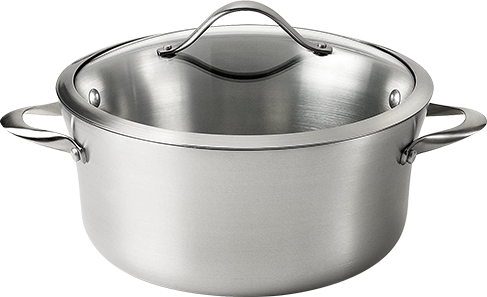
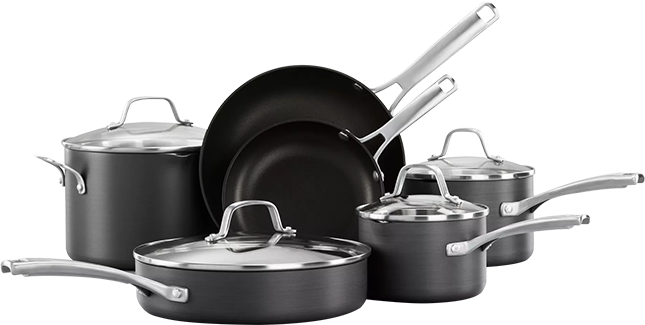
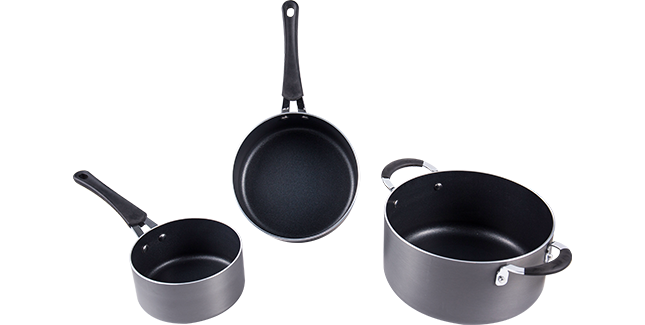
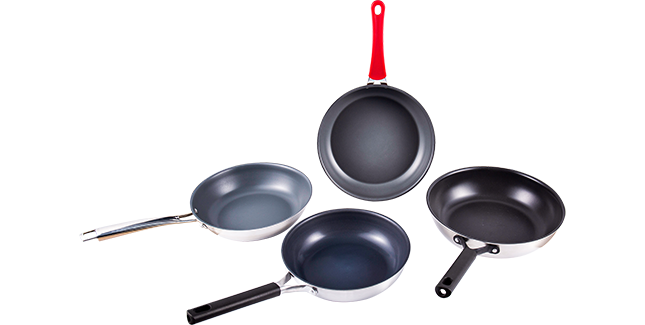
-4.jpg "20X4.5CM white medicinal stone coating Aluminum frying pan DB-2045B")
-1.jpg "20X4.5CM black medicinal stone coating Aluminum frying pan DB-2045H")
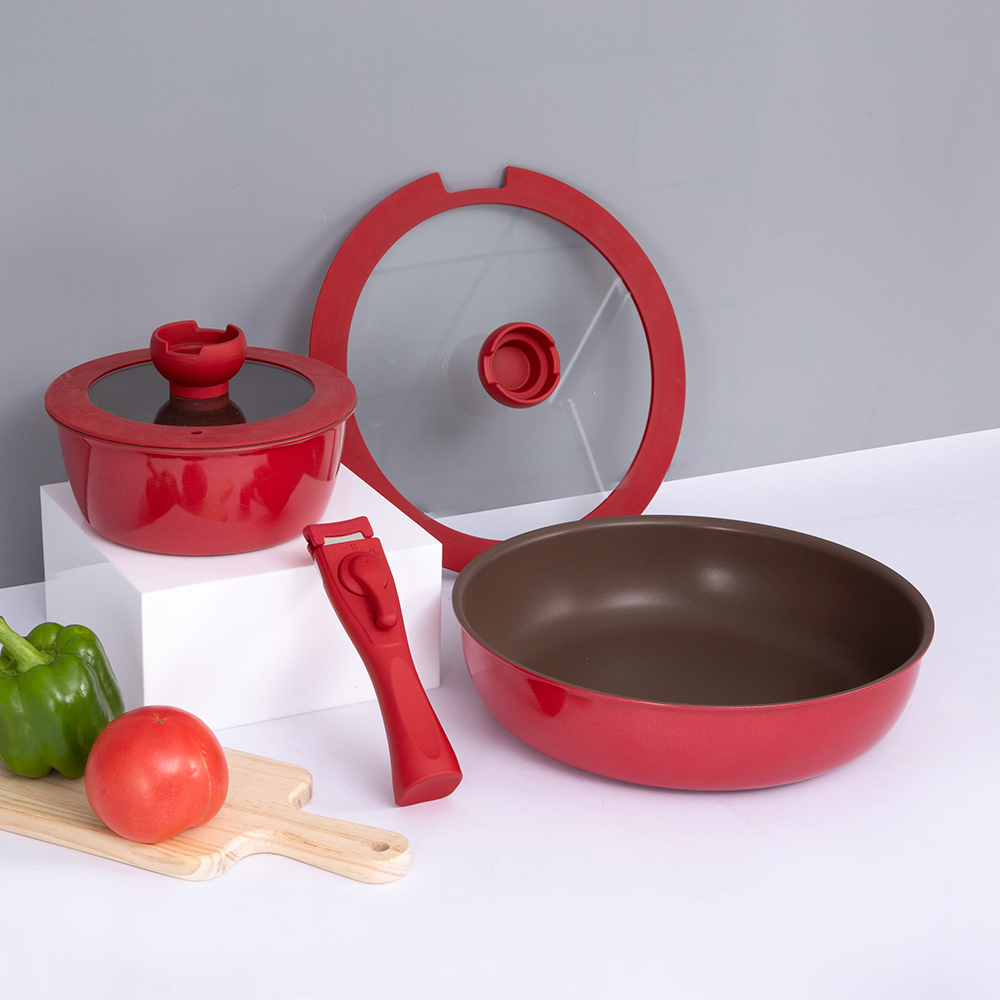
-3.jpg "24X5CM black medicinal stone coating Aluminum frying pan with glass lid DB-2405H")
-5.jpg "28X5.5CM black medicinal stone coating Aluminum frying pan with glass lid DB-2855H")
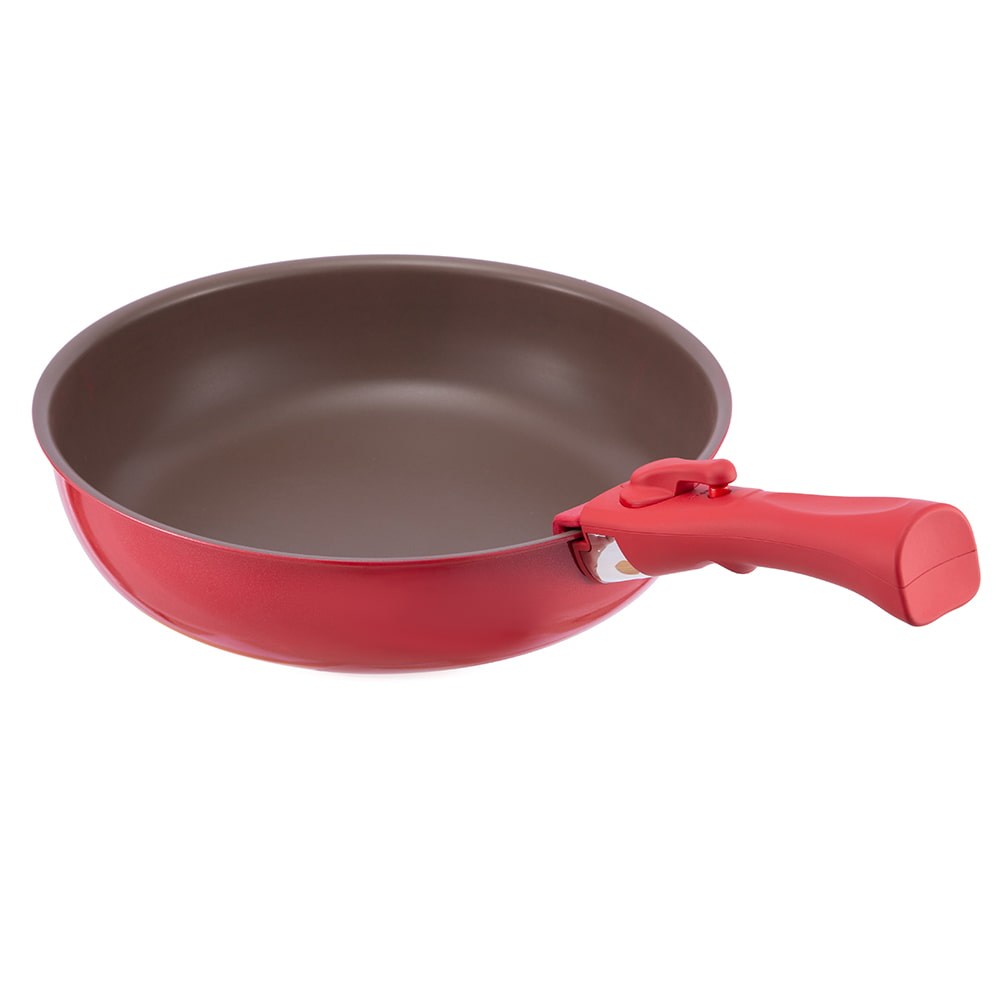
-3.jpg "24X5CM white medicinal stone coating Aluminum frying pan with glass lid DB-2405B")
-9.jpg "20X4.3cm Olive Green Food Safety Coated Stainless Steel 304 Frying Pan JY-2043L")
-3.jpg "20*4.3CM Single long handle uncovered coated frying pan JY-2043NP")
-14.jpg "24X4.5cm Olive Green Food Safety Coated Stainless Steel 304 Frying Pan JY-2445L")